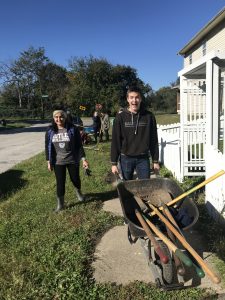
Communications for a Good Cause: Gaining appreciation for the CFV’s mission
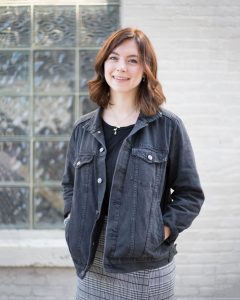
by Julia Bluhm
My communications internship at the CFV this semester not only helped me build my communications skills, but it helped me better understand my own sense of vocation and what kind of career I’m interested in.
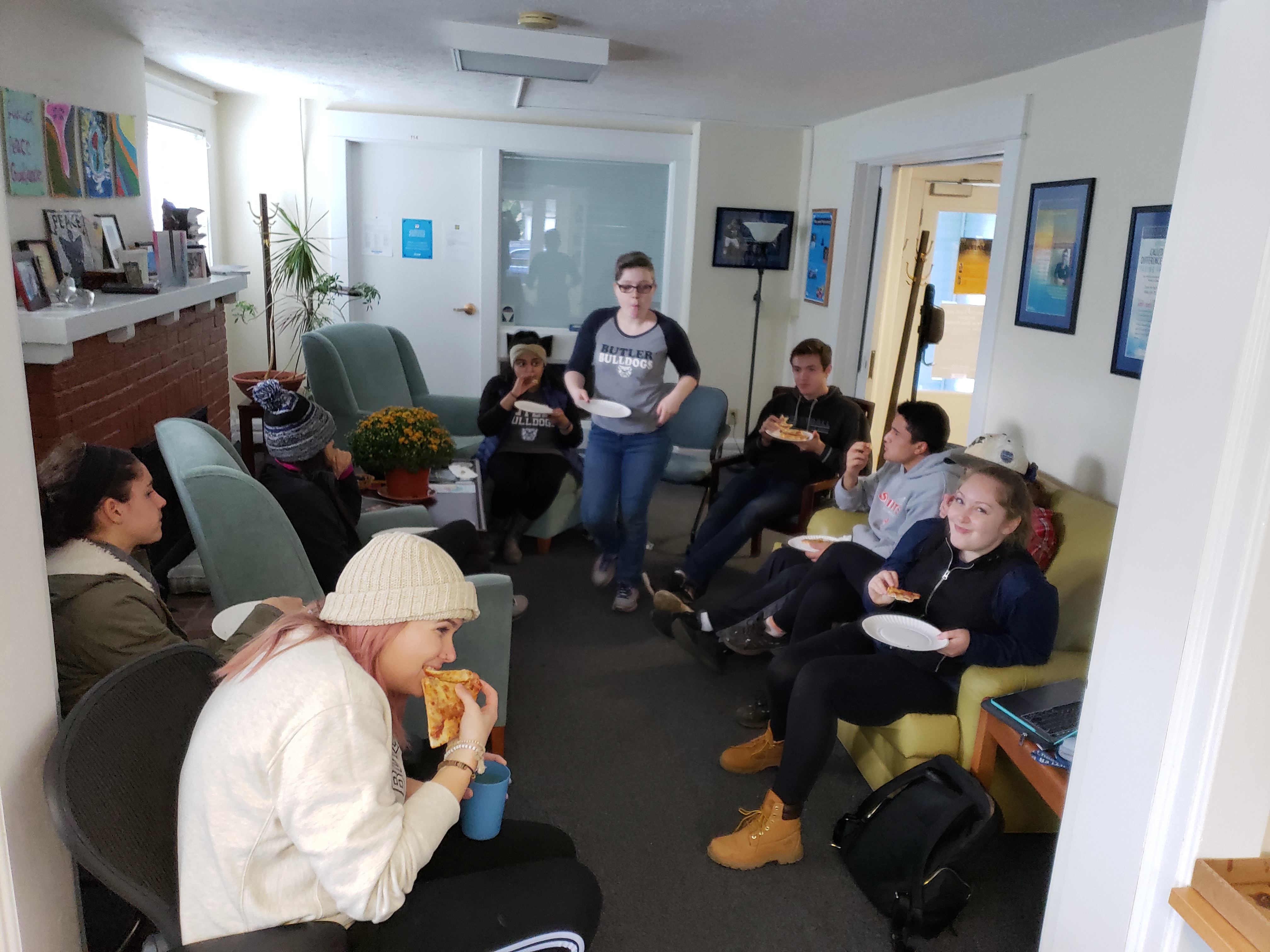
Aside from gaining tons of experience in graphic design, social media marketing, and making continuous social media campaigns, I also learned a lot about interfaith cooperation. In preparing for the film discussion I hosted for The Heart of Nuba, I researched about conflicts in Sudan and had the opportunity to meet with Mastora Bakhiet, the director of the Darfur Women Network. It was eye-opening to hear more about life in Sudan from Mastora, a Sudanese Muslim woman, and to hear about all the struggles the Darfur people have been through. While we talked over pizza, I offered to help her with a video she was making. A week later, I was sitting in her living room and transcribing Arabic translations for the video. I know that if I hadn’t been an intern at the CFV, I probably would not have been so inspired to research conflicts in Sudan, and I probably never would have ended up in the living room of a woman who’s culture and background is so different from mine. I am extremely grateful that I did though, because this is just one example of how my internship helped me become a more open and educated person. Interfaith and cross-cultural conversations can be slightly uncomfortable at first, but they are essential. I have put myself out of my comfort zone several times through my internship at the CFV, and every time I felt grateful afterwards for the experience. I want to keep doing this as a part of my future career in the non-profit sector.
Luckily, I have been given the opportunity to return in the fall as the CFV’s communications coordinator, so I will be able to stay involved. I look forward to continuing some of the social media campaigns I have started, such as featuring student leader profiles on Instagram and making our social media more photo-based. I also look forward to continuing to expand my interfaith understanding and to be as involved in CFV programs as I can.
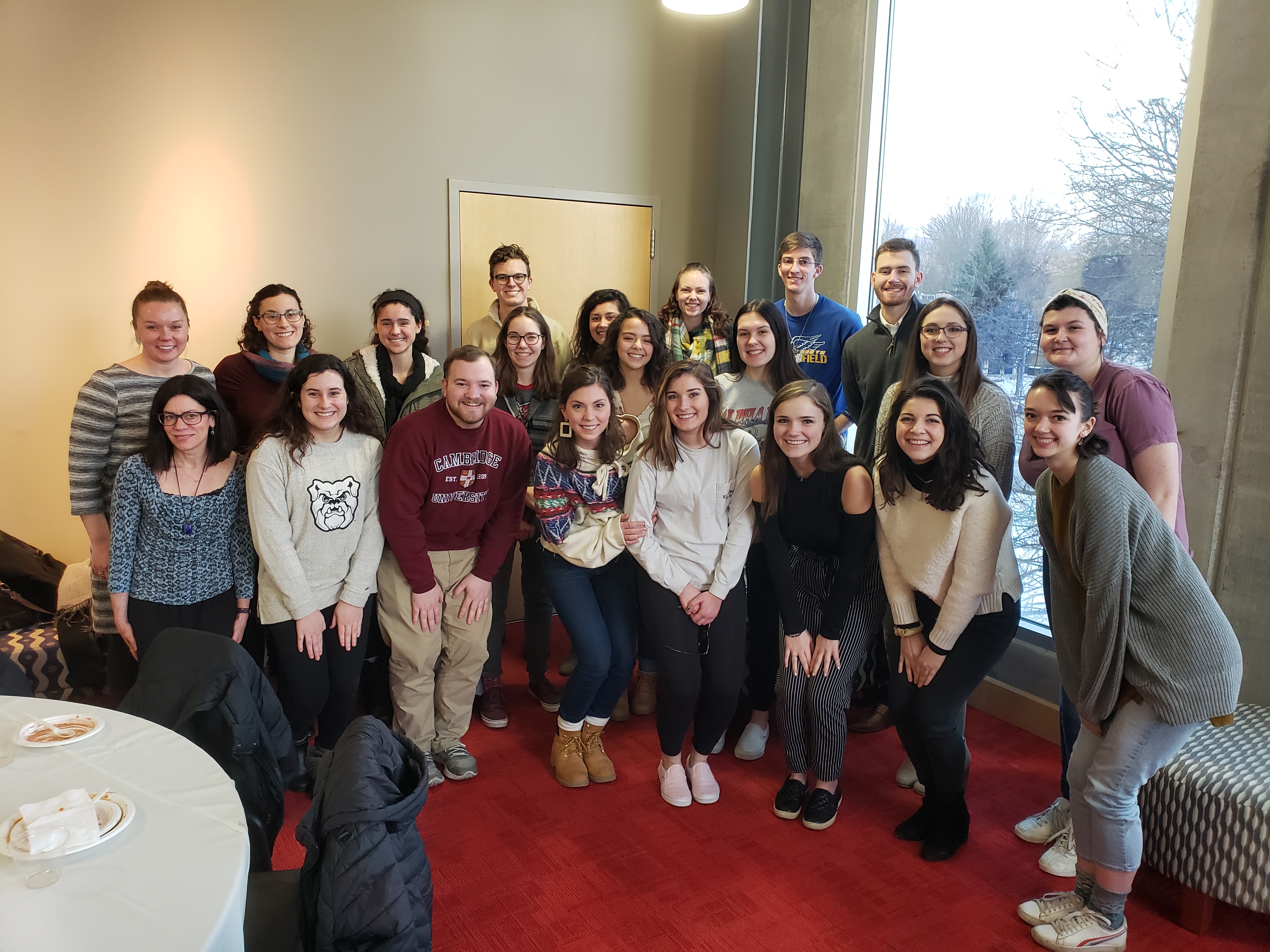

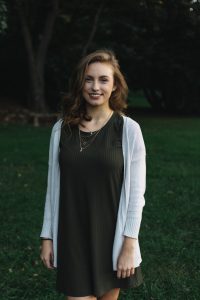 As an Elementary Education and Theatre major, my internship at Catholic Charities proved to be a unique and profound experience. I served as an Education intern through the Outreach and Education program and was in charge of planning and leading English classes held and two different community centers two days of the week, as well as providing in-home tutoring one day of the week. Because my courses are focused on child and teenager education, I have not had the opportunity to work with and teach adults. This internship was able to provide me with this experience that came with its perks and challenges. At first, I felt hesitant and unsure, as I did not know how to approach this age group and alter my lesson plans to fit a more mature audience. After the first few lessons and getting to know my students better, I was able to see what learning preferences this group had and how willing they were to learn and try new approaches. I now feel more comfortable and confident teaching all age groups, as well as in myself as a teacher. Since I had so much freedom to create a curriculum and had not finished my Education major yet, I originally felt as if I was doing everything wrong. I quickly realized how much knowledge I had acquired throughout my classes and other teaching experiences and that I do not need my license in order to help and make an impact on a community of people. I am so thankful for my bosses and students for allowing me to experiment with this learning journey and being open to all of my ideas.
 My name is Rachel Koehler, and I am a senior at Butler University studying International Studies and French. I have had the privilege of working with the Center for Interfaith Cooperation for the fall semester, and it has encouraged me to further consider a career in faith and social justice. This past semester I have been able to interact with Indianapolis’s diverse faith community in numerous ways from board retreats to podcast recordings and community events. The CIC’s board consists of 38 members with various faith perspectives, and I wanted to further explore the stories that each of these members brings to the CIC. These different backgrounds enrich the mission of the CIC, so I thought it was important to record them and make them available to the public. Also, to attract a younger audience to the CIC, I thought podcasts would be a great medium to use, since more and more people are starting to listen to them. My goal is to have the podcast available by the beginning of next semester. I have already interviewed several members and will continue to do so next spring. Each interview has given me a new perspective, so I am hoping it will do the same for any listener. Please look out for it on Apple, Spotify, or www.centerforinterfaithcooperation.org. I am still deciding on what title I want, but I am leaning towards “An Ear to Interfaith” or “The Dynamics of Interfaith.”