For General Information and event dates see below:
indianastatefair.saffire.com/events?date=08032019
indianastatefair.com/state-fair/general-information/
For General Information and event dates see below:
indianastatefair.saffire.com/events?date=08032019
indianastatefair.com/state-fair/general-information/

Serve hot or cold, a healthy favorite for toddlers, children and adults alike. Great to take on a picnic, served as a finger food cut into small squares.


Quitting smoking can re-wire your brain and help break the cycle of addiction. The large number of nicotine receptors in your brain will return to normal levels after about a month of being quit.
Quitting smoking will keep your hearing sharp. Remember, even mild hearing loss can cause problems (like not hearing directions correctly and doing a task wrong).
Stopping smoking will improve your night vision and help preserve your overall vision by stopping the damage that smoking does to your eyes.
Nobody likes a dirty mouth. After a few days without cigarettes, your smile will be brighter. Not smoking now will keep your mouth healthy for years to come.
Quitting smoking is better than anti-aging lotion. Quitting can help clear up blemishes and protect your skin from premature aging and wrinkling.
Smoking is the leading cause of heart attacks and heart disease. But many of these heart risks can be reversed simply by quitting smoking. Quitting can lower your blood pressure and heart rate almost immediately. Your risk of a heart attack declines within 24 hours.
Another effect of quitting smoking is that your blood will become thinner and less likely to form dangerous blood clots. Your heart will also have less work to do, because it will be able to move the blood around your body more easily.
Quitting smoking will not get rid of the fatty deposits that are already there. But it will lower the levels of cholesterol and fats circulating in your blood, which will help to slow the buildup of new fatty deposits in your arteries.
Scarring of the lungs is not reversible. That is why it is important to quit smoking before you do permanent damage to your lungs. Within two weeks of quitting, you might notice it’s easier to walk up the stairs because you may be less short of breath. Don’t wait until later; quit today!
There is no cure for emphysema. But quitting when you are young, before you have done years of damage to the delicate air sacs in your lungs, will help protect you from developing emphysema later.
Cilia start to regrow and regain normal function very quickly after you quit smoking. They are one of the first things in your body to heal. People sometimes notice that they cough more than usual when they first quit smoking. This is a sign that the cilia are coming back to life. But you’re more likely to fight off colds and infections when you’re cilia are working properly.
Quitting smoking will prevent new DNA damage from happening and can even help repair the damage that has already been done. Quitting smoking immediately is the best way to lower your risk of getting cancer.
Quitting smoking will reduce your belly fat and lower your risk of diabetes. If you already have diabetes, quitting can help you keep your blood sugar levels in check.
If you’re a woman, your estrogen levels will gradually return to normal after you quit smoking. And if you hope to have children someday, quitting smoking right now will increase your chances of a healthy pregnancy in the future.
If you quit smoking now, you can lower your chances of erectile dysfunction and improve your chances of having a healthy sexual life.
When you quit smoking, your body will begin to heal from the injuries that smoking caused. Eventually, your white blood cell counts will return to normal and will no longer be on the defensive.
Quitting smoking will improve blood flow to wounds, allowing important nutrients, minerals, and oxygen to reach the wound and help it heal properly.
When you quit smoking, your immune system is no longer exposed to tar and nicotine. It will become stronger, and you will be less likely to get sick.
Quitting smoking will help increase the availability of oxygen in your blood, and your muscles will become stronger and healthier.
Quitting smoking can reduce your risk of fractures, both now and later in life. Keep your bones strong and healthy by quitting now.

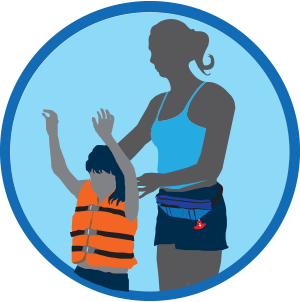
While boaters are required to have a U.S. Coast Guard-approved wearable life jacket on board for every person on their boat, boating safety advocates recommend that everyone on board wears a life jacket at all times while boating. Accidents on the water happen much too fast to reach and put on a stowed life jacket. Drowning is the reported cause of death in 76 percent of all boating fatalities – and 84.5 percent of drowning victims in recreational boating accidents were not wearing a life jacket in 2017.

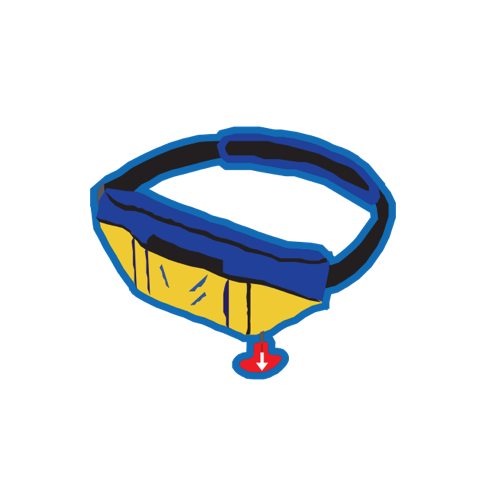


You don’t want your life jacket too large or too small. A snug fit is a proper fit. Remember, life jackets for adults do not work for children.
Although heat exhaustion isn’t as serious as heat stroke, it isn’t something to be taken lightly. Without proper intervention, heat exhaustion can progress to heat stroke, which can damage the brain and other vital organs, and even cause death.
The most common signs and symptoms of heat exhaustion include:
by Lauren Chars
The use of supplements has become very popular as a way to promote well-being and prevent deficiencies. However, using certain prescription medications concurrently could lead to dangerous consequences that may cause more harm than help. Be sure to check with your healthcare provider and pharmacist before starting or stopping a supplement. The following are some common combinations to watch out for:
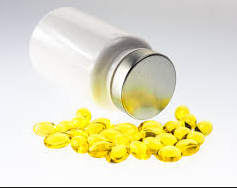
Fish oil
Common uses: High cholesterol, cholesterol imbalance, prevention of heart disease
Interactions: Blood thinners (anticoagulants and antiplatelets), some blood pressure medications, certain oral contraceptives
Fish oil has been shown to decrease platelet aggregation and can thin your blood more than desired, increasing the risk of bleeding when taken with other blood thinners. In addition, certain blood pressure medicines and birth control pills may be prevented from working properly when taken with fish oil.
CBD Oil (Cannabidiol)
Common uses: Epilepsy, insomnia, anxiety, pain, and many others!
Interactions: benzodiazepines (i.e. Xanax, Klonopin), sedatives (i.e. Ambien), warfarin, topiramate, valproic acid, and several others
Although CBD is the hot topic recently and is too new to have all of the data we need to assess its safety, there are some medications known to increase your risk of an interaction. Before starting CBD, be sure to check your medication list with a pharmacist to make sure you will stay safe!
Ginkgo:
Common uses: Alzheimer’s Disease, dementia, memory support
Interactions: Benzodiazepines/anti-anxiety medications, warfarin and other blood thinners, cholesterol medications (i.e. atorvastatin).
Commonly used to aid memory, ginkgo can interact with blood thinners, sedatives and some cholesterol medications if used inappropriately.
St. John’s Wort
Common uses: Depression, mood disorders
Interactions: Other antidepressants, migraine medications, dextromethorphan cough syrup, warfarin, oral contraceptives, and many others!
There are few medications that St. John’s Wort does not interact with and it is very important to check with a health care professional before you start this supplement!
Melatonin:
Common uses: insomnia, jet lag, other sleep disorders
Interactions: Alcohol, benzodiazepines, sedative hypnotics, some antihistamines (i.e. Benadryl), opioids, muscle relaxers
Other medications that cause drowsiness can interact with melatonin, so it is always good to check with a pharmacist before you take more than one medication before bed.
Ginger
Common uses: treatment and prevention of motion sickness, vertigo, morning sickness in pregnancy
Interactions: warfarin, aspirin, blood thinners
Like fish oil, ginger may increase the risk of a bleed if not used with caution when taking blood thinners.
Supplements can improve your health in many ways, but it is essential to assess the benefits versus the risks before taking them along with other medications. A good rule of thumb is let your healthcare provider and pharmacist know each time before you start or stop a new supplement!
Sources: