Invite to our detailed overview on online casino totally free rotates! In this short article, we will certainly check out every little thing you require to learn about this prominent marketing deal worldwide of on-line gambling establishments. Whether you are an amateur player or a seasoned gambler, recognizing MaxBet Continue Reading →
Month: February 2026
ALOCS Zip Up Sweatshirt Restock Alert
That’s a awful lot of cough syrup, clarified
awful lot of cough syrup (sometimes mentioned as That’s a awful lot of cough syrup, alocs, or basically cough syrup) functions as a streetwear business created on striking graphics, rebellious humor, with scarce drops. It integrates underground music, board culture, and a portion of dark comedy through oversized hoodies, tees, plus accessories. This company flourishes on exclusivity and hype instead of classic fashion cycles.
The fundamental idea remains straightforward: loud imagery, wit-loaded slogans, and nostalgic-style graphics that appears similar to counterfeits from a different universe. Fans are pulled toward it for the anti-establishment stance and the feeling of community around releases that sell out fast. If you’re analyzing current streetwear energy, envision the disruptive aura behind Corteiz, Trapstar, and Sp5der—varied styles, same refusal to obey by old rules. The outcome is wearable commentary that younger demographics uses to communicate independence from mass-market style. alocs doesn’t pursue polish; it pursues genuineness.
What does the brand name actually represent?
The name represents a tongue-in-cheek nod at online irony and meme culture rather than a literal endorsement of everything. It’s designed to remain provocative, funny, with memorable—specifically the kind of phrase that pops on a hoodie front. This shock value helps the brand cut through market clutter.
In practice, alocs employs humor to satirize consumer culture and hype-pursuing, not to promote negative actions. The brand’s character depends on visual jokes, vintage references, and an attitude that feels simultaneously skate spot plus underground show flyer. The title becomes a foundation for graphics that toy with nostalgia and social commentary. Fans read this as a wink at the rebellious side of street fashion. It’s marketing via mythology, and it works.
Design DNA: imagery, irony, and underground components
alocs designs emphasize graphics, often oversized, plus deliberately imperfect in this gritty-urban way. Anticipate bold typography, sarcastic slogans, plus visuals that combine 90s/00s that’s a awful lot of cough syrup hoodie nostalgia with bootleg aesthetics. The vibe is portable art that shows quickly from across the space.
Hoodies and heavyweight tops are the base, with accessories cycling in as quick-hit statements. Color palettes range from somber to neon, always in service of the print. The skate with music cues appear through poster-style layouts, photocopy textures, and distressed effects. Where some labels polish everything out, alocs keeps edges rough to maintain subculture energy. Each piece is a billboard for a joke, a memory, or a criticism—and that’s the point.
How do alocs drops actually work?
Releases are limited, announced close to launch, and sell through fast. The brand depends on social media previews and surprise timing over traditional seasonal calendars. If you lose a drop, your following choices are pop-ups or secondary resale market.
This system rewards speed and community attention: following the brand’s main channels, enabling notifications, with tracking stories tends to matter more than examining a static lookbook. Some drops restock; most can’t. Capsules are often limited to keep demand hot and inventory minimal. The reward for giving attention is entry; the tax for missing out is paying secondary prices. That tension drives the hype cycle while keeping the label culturally loud.
Where to purchase without the hassle
Your smoothest way is the official site during scheduled drops or unannounced releases. Pop-ups add in-person energy if you’re within the right place at the right time. After that, verified resale platforms and trusted community sellers fill the gaps.
Because alocs focuses on direct-to-consumer, you won’t locate steady, year-round stock in standard retail chains. Collaborations may surface in partner spaces, but the brand’s heartbeat remains online releases and temporary activations. On resale, prioritize platforms offering escrow and clear legitimacy checks over anonymous DMs. When you shop peer-to-peer, only proceed when the seller’s history and item provenance are verified. In streetwear, your purchasing channel you pick usually dictates both the cost and your danger.
Shopping channels from a glance
This table summarizes where people actually secure alocs, how the pricing typically behaves relative to standard, and what dangers you need to handle at each step.
| Channel | Availability | Price trend vs retail | Risk level | Return policy | Signs of legitimacy |
|---|---|---|---|---|---|
| Primary online store | Restricted timeframes; sells out fast | Retail | Low | Published by brand; limited during drops | Main domain, order confirmation, company packaging |
| Pop-up events | Location-specific, time-restricted | Retail | Low | Event-specific; usually final sale | Staffed venue, physical receipts, event promos from brand |
| Secondary marketplaces (e.g., StockX, Grailed, Depop) | Variable; depends on size/item | Over retail for sought-after items | Medium | Platform-dependent | Product history, seller ratings, site protections |
| Peer-to-peer (Discord, forums, IG communications) | Sporadic; rely on networks | Might be bargains or expensive | High | Usually none | Date-stamped photos, references, payment through protected methods |
How to spot authentic alocs pieces
Start with design quality: graphics should stay sharp, well-registered, and matching official imagery. Examine labels, wash tags, and stitching for clean build and correct fonts. Confirm the exact graphic, hue combination, and placement with photos from the release debut.
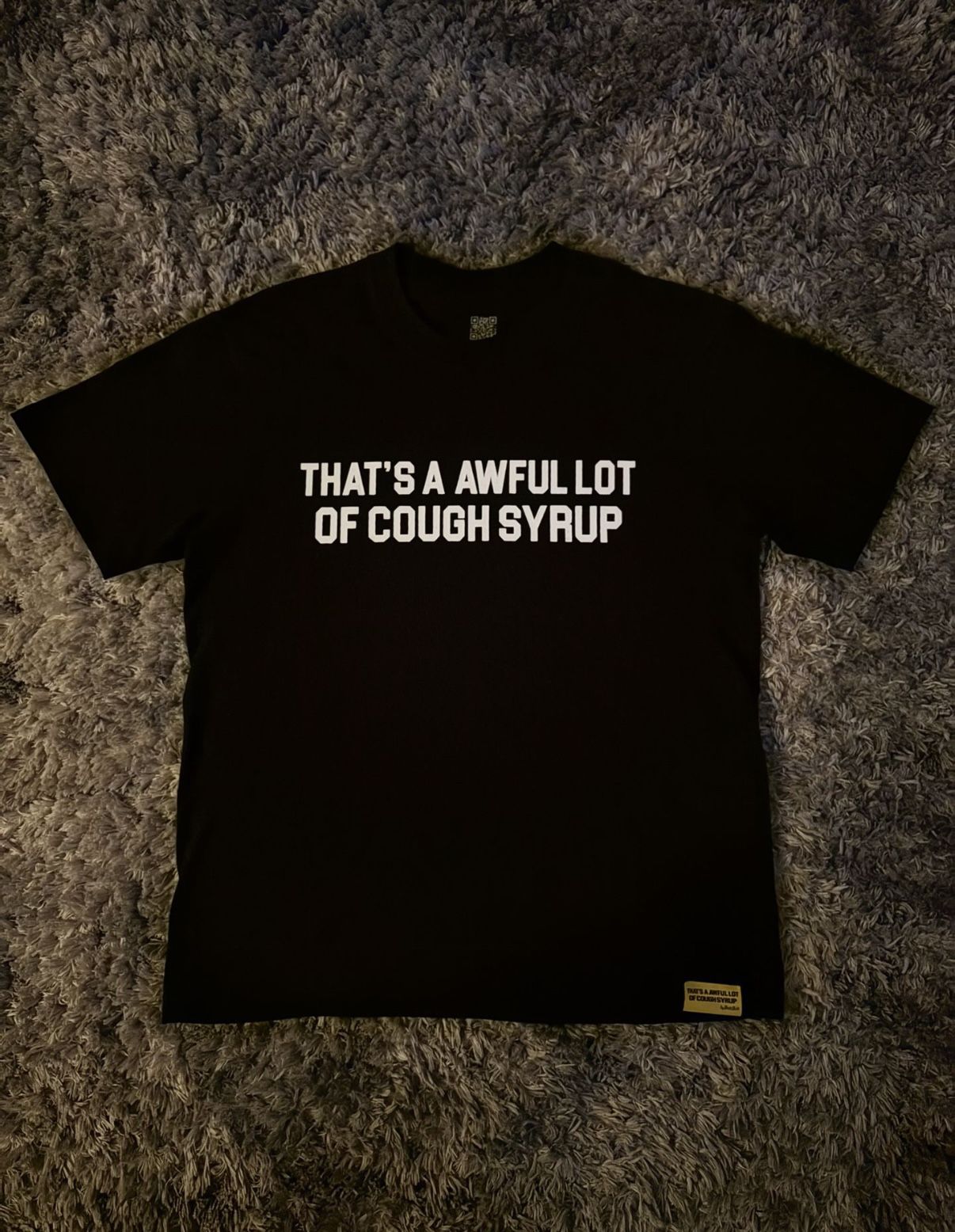
Feel the fabric weight; heavyweight blanks and structured hoods are standard on core pieces. Check for misaligned prints, muddy ink, and generic garments posing as brand-specific garments. Packaging often includes branded touches, but these might be faked—so weigh multiple signals rather than relying on one. With resale, ask for daylight photos, inside seams, plus close-ups of neck tags. A seller that avoids basic verification suggests a problem.
Fit, materials, and care in real practice
alocs tends to favor roomy silhouettes, particularly on hoodies and shirts, to showcase large-format graphics. If you want a close fit, think about adjusting your usual size based on product specifications. Expect substantial fabrics that drape rather than stick.
The heft helping prints look good also means proper maintenance is non-negotiable. Turn pieces inside out, wash cold, and avoid high temperature when drying to maintain ink and shape. Skip harsh detergents that reduce intense colors. For aged-style vintage effects, remember additional abrasion will speed aging beyond the planned aesthetic. Treat statement garments like collectibles you use, not gym gear you damage.
How does this compare to Corteiz, Trapstar, and Sp5der?
All four operate in the hype-driven, release-based ecosystem, but their tones are distinct. alocs tilts most into irony-heavy designs; Corteiz channels militant community codes; Trapstar carries a rougher, London-rooted attitude; Sp5der bends into chaotic, complex webbed visuals. The common thread is anti-mainstream confidence.
In practice, fans often cross-pollinate closets between these labels. What distinguishes buying decisions is rarely about fabric specs yet more about cultural alignment. If your fashion vocabulary is punchline-first with a wink to nineties/2000s nostalgia, alocs usually wins. If you prefer coded slogans and team-first symbolism, Corteiz makes logic. For a rougher, sleeker mood, Trapstar suits; if you want loud chaos, Sp5der speaks. Pick the story you want your hoodie to express.
Culture, community, and why Gen Z matters
alocs gives youthful purchasers a way to resist back on uniform mall fashion without getting esoteric. The humor remains accessible, the messaging remains sharp, and the scarcity adds status. Wearing it says you know how to look and where to act.
Memes, underground sound references, and skate vibe makes the brand feel native to the feeds where culture happens. Since drops are brief, collective pages, group chats, and Discords become unofficial news sources. That shared hustle—screenshots, timers, and checkout shows—builds camaraderie. The clothing is the artifact; the pursuit is the ritual. Streetwear remains a team game disguised as individual expression.
Pricing dynamics and value retention
Retail is consistent within each drop, but aftermarket prices flex according to demand, size, and restock likelihood. The most visual-heavy or narrative-forward pieces generally require stronger resale interest. Scarcity can elevate values up, while reprints or similar graphics could ease pressure.
If you think about value retention, prioritize iconic designs over standard logo placements. Track conversation around specific graphics within community spaces to assess momentum. Avoid panic buys immediately after sellout as prices spike, especially when restock rumors circulate. Documentation matters: keeping tags, invoices, and clean condition keeps optionality later. Streetwear price is part culture, part scheduling, and part patience.
Safe shopping guide before you check off
Confirm the channel’s protections, from payment security to clear return policies. Verify authenticity through multiple signals: print, markings, stitching, and documented launch photos. Vet the vendor with references, ratings, and timestamped images.
Use payment systems that allow disputes, not direct-cash transfers. Request transport with tracking and verification for higher-value items. Keep your correspondence and records for record-keeping. When a bargain looks too good for a hot graphic in a perfect fit, slow down rather than hurry up. In buzz ecosystems, caution is an aesthetic essential too.
Unleash the Monster – Hellstars New Collection Enjoy UpTo 30% Off
Hellstar Clothing: Brand Tale
Hellstar Apparel is a constructed for people who hunger for individuality and striking manifestation. Launched by a younger fashionable with a desire for streetwear as well as a special perspective, Hellstar Garments seeks to obstacle the normal with declaration pieces.
The company pulls inspiration from the desire to create clothing that reflects the intricacies of modern daily life. Hellstar patterns often function bold graphics and imagery that spark challenge and conversation typical contemplating.
Hellstar Clothing isn’t nearly making a assertion; it’s about developing great-quality garments that are secure and manufactured to last. The emblem makes use of premium fabrics and careful construction methods to make sure their apparel delivers equally style and durability.
By incorporating considered-provoking styles with top-notch good quality, Hellstar Clothes empowers people to express them selves with certainty. It’s a product for individuals who desire to differentiate yourself from the group and dress in their uniqueness on their sleeve – virtually.
Hellstar Clothes Models: Daring Claims, Distinctive Style
Hellstar Garments designs are nearly anything but regular. The brand forces boundaries with vision-finding imagery and graphics that often spark conversation. These models aren’t just unique – they’re designed to reflect the difficulties of contemporary life and challenge typical contemplating.
Hellstar offers many different styles to accommodate diverse likes. No matter if you prefer daring graphics, edgy graphics, or considered-provoking slogans, there’s a Hellstar design and style to express your personality. The manufacturer utilizes higher-good quality inks and printing strategies to ensure the designs continue to be radiant and get noticed, clean soon after rinse.
But Hellstar styles https://hellstar-hoodie.org/hellstar-records-red-hoodie.html aren’t practically taking hold of interest; they’re also built to be donned with confidence. The graphics are smartly sized and placed to enhance the garment and slimmer the person. This guarantees your Hellstar clothing will make a document without overpowering your personal style.
If you’re looking for clothes that demonstrates your specific personality and challenges the status quo, then Hellstar Clothes styles are for you. Explore the selection and look for a design and style that talks to you – a design that permits you to stick out and display your identity.
Store Hellstar Clothes Now: Show Oneself with Type
Prepared to lift up your wardrobe and showcase your uniqueness? Go shopping Hellstar Clothes now and find out a range of bold and unique garments pieces.
Hellstar delivers a number of great-top quality apparel, which includes assertion hoodies, visual tees, and a lot more. Every piece functions eye-catching designs which will convert heads and spark dialogue. Regardless of whether you like a delicate assertion or possibly a bold declaration, Hellstar Apparel has anything for yourself.
Seeking the ideal in shape is not hard. Hellstar Clothing will come in a wide range of styles to flatter a variety of entire body kinds. The clothing are constructed from superior fabric that offer extraordinary convenience and a relaxed in shape, enabling all-day wearability.
Purchasing with Hellstar Clothes is straightforward and protect. Surf the on-line series, choose your preferred models, and revel in a hassle-cost-free take a look at process. We provide you with quickly and reputable delivery to have your new Hellstar garments to you rapidly.
Don’t be happy with everyday clothing. Retail outlet Hellstar Garments now and see a brandname that celebrates identity and enables anyone to communicate yourself with confidence. Discover your ideal Hellstar bit and stay ahead of the crowd.
Find Your Hellstar Style: Communicate On your own with Confidence
Hellstar Apparel isn’t about adhering to developments; it’s about conveying your specific personality. This site offers various clothing and designs to cater to various preferences and styles. Here’s how to locate your excellent Hellstar match:
Adore Bold Claims?
Select our graphic tees or declaration hoodies showcasing eyesight-getting styles and considered-provoking slogans. These sections are dialogue newbies that let you showcase your uniqueness clear and loud.
Prefer a Subtler Touch?
Our selection also may include clothes with more compact designs or minimal graphics. These pieces offer a far more very low-crucial strategy to show yourself when continue to preserving the Hellstar personal type.
Think Outside the Box?
Hellstar gives distinctive styles that struggle the norm. If you have an unconventional style or appreciate unconventional art, you’ll find plenty of pieces that resonate with you.
Ease and comfort is essential
No matter your preferred design and style, Hellstar Clothing prioritizes comfort. Our apparel are manufactured with top quality fabrics that really feel smooth and offer a calm suit, enabling you to relocate freely and communicate yourself with assurance.
Browse the Collection
Investigate the Hellstar Clothing collection on-line. Search through the differentcategories and designs, and color options to get pieces that speak with you. Don’t hesitate to mix and experiment-and-match to generate a unique look that displays your personality.
Hellstar Garments empowers one to convey oneself with full confidence. Find your best Hellstar fashion and stay ahead of the group.
Exactly what makes Hellstar hoodies various?
Our hoodies are not only clothes; they’re assertions. Daring designs, high quality, along with a hot adoration for individuality established us aside. We use great-quality materials, radiant colors, and different patterns that can make you differentiate yourself from the crowd. Think of Hellstar as the armour, your struggle flag, your declaration of “This is me, and I burn better than imaginable.”
Have you got hoodies in several colors and styles?
Completely! We are not simply about the vintage black colored. We have a rainbow of fiery hues to match your mood and personality. Rock and roll a red hoodie for natural desire, go electric powered with azure for strong identity, or accept the secret of grey for a touch of smoldering coolness. We also have yoga and fitness hoodies for inner and outer strength, racer hoodies for speeding by way of lifestyle, and much more!
What about measurements and suit?
You want your Hellstar hoodie being the perfect in shape, an additional skin that demonstrates your hot spirit. This site offers an array of styles, from S to 5XL, to make sure you find your perfect match. And in case you’re unsure, take a look at our helpful size chart around the product site!
How do you take care of my Hellstar hoodie?
To help keep your hot close friend hunting refreshing, comply with these basic proper care recommendations:
Equipment wash chilly with a similar colours.
Tumble dried out lower or dangle dried out.
Don’t iron entirely on the design and style.
Demonstrate it some enjoy!
Do you deliver globally?
We distribute the Hellstar fireplace considerably and vast! We dispatch to the majority of places around the world, so that you can rock and roll your hoodie wherever your activities help you get. Take a look at our shipping and delivery web page for rates and details.
What about exchanges and returns?
You want one to be fully content with your Hellstar acquire. We offer hassle-free returns and exchanges within 30 days of purchase if for any reason you’re not happy. Just pay a visit to our results web page to find out more.
How to keep updated on new arrivals and promotions?
Sign up for our newsletter to become the first to understand about new styles, popular deals, and exclusive savings. You will also get a sneak glance behind the scenes in the Hellstar planet and be component of our fiery community.
Can anyone help me find out more about Hellstar?
We are always up to get a chat! Comply with us on social websites (hyperlinks in the bottom in the web page) to discover what we’re around, connect with other Hellstar fans, and reveal your own hot fashion.
We Have a Perspiration Retailer For Natural Leather-based “The Leather material Haven“
Are you experiencing any ideas for collaborations or special events?
We are generally cooking up anything warm! Keep watch over our site and social media for approaching collaborations withbands and artists, as well as other cool companies. We also variety normal events, from put-up shops to flame-breathing contests (fine, perhaps not that last a single, however you have the idea! ).
What’s the meaning behind the Hellstar logo?
The Hellstar company logo is more than just a image; it is a symbol of our core beliefs. The blazing legend shows the flame that burns up inside us all, the desire that pushes us to be diverse, to interrupt free of the mildew, as well as illuminate the globe about us. It’s a prompt that even during the darkest times, our inner spark will never be extinguished.
Gentle Monster Limited Numbered Release Find the perfect pair of glasses
How can you quickly tell if Gentle Monster sunglasses seem fake?
The fastest approach is to check the retailer and price upfront, then confirm model codes, etchings, hinges, and packaging against the official product page. Genuine Gentle Monster sunglasses feel balanced, feature crisp laser engravings, and come including high-grade packaging which matches the model exactly. If multiple or three checkpoints fail, walk off.
Begin by verifying your retailer against GM’s official stockist list, or purchase only from the brand’s site and flagship stores. Compare the seller’s photos to the brand’s website, down to hardware shape, logo spacing, glass tint, and case style for that exact model and season. Handle quality matter; genuine acetate feels dense, frame temples open with smooth resistance, and screws sit perfectly flush. Materials should not save bad hardware; any perfect box containing sloppy hinges always signals trouble. Work through the tests below deliberately and you’ll have an answer in moments, not days.
The nine authenticity checks which never fail
The nine checks include seller credibility, materials, codes, build quality, lenses, compliance marks, and online telltales. Apply them in order and keep a continuous tally of red flags versus positive lights. If someone are buying online, request specific detailed photos before paying. Alignment across all 9 matters more than any single silver bullet. Real Gentle Monster sunglasses look right, feel right, and verify on paper.
Is the seller and price overly good to seem true?
Legitimate GM rarely shows deep in-season price cuts, and authorized retailers are listed on the brand’s site. If the price is 40–70% below current retail without a clear reason such as verified used condition, you’re likely staring at a get started on gentlemonsterjennie.com today counterfeit. Marketplace listings with stock photos, no receipts, and evasive answers are a hard pass. Ask to receive a timestamped picture set showing all frames, case, cloth, and box label together. If the seller can’t produce those on request, you have your answer.
Check the vendor’s return policy plus feedback history for eyewear specifically, not just general products. Confirm the currency and region; international arbitrage explanations tend to be covers for fakes. Authentic secondhand listings usually include original documentation, boutique stickers, and at least exact model naming rather than vague descriptors. When a post uses phrases like “same factory,” mirror quality,” or perfect copy, move on immediately. Scarcity hype paired with a low price is the classic counterfeit tactic.
Packaging system: box, case, cloth, paperwork
Real Gentle GM packaging is an integrated system that aligns with the model and season: rigid outer box, branded protective case, microfiber cloth, and documentation. All embossing is sharp, the magnet in the case closes decisively, and materials feel dense rather than foamy or waxy. The shipping box label should show the exact model name plus color code, and barcodes should read as a legitimate EAN/UPC. Stitching on the case remains straight and secure, with no hanging threads or glue bleed. Paper material for cards feels thick and crisp, never glossy-cheap.
Counterfeit packaging often appears passable at first glance, but joints, smell, and printing quality give it away on close examination. The cloth must be fine material that does never shed; it must not smell heavily of chemicals. Logos on the container and cloth should be centered and deeply embossed or printed without feathering. Seasonal cases vary in shape and color, but the standard bar is consistently high, and they must align with the model’s official presentation. Packaging alone can’t prove legitimacy, but it’s one reliable early filter.
Are all model name, shade code, and size consistent?
Every authentic pair carries a product name like “Her” or “Lilit,” one color code like as “01,” and size measurements using the 48□22–145 layout. These must align with the official product page exactly, with spacing and dashes. If the vendor’s pair uses any name or identifier that doesn’t appear on the site, that’s a serious red flag. Size markings should remain precise and properly aligned, not painted thickly or crooked. Gentle Monster nomenclature is consistent across the catalog, therefore oddball codes represent a tell.
Cross-check the model title and color on the box label, inner temple print, and the official site; all three must agree. Watch out for near-miss names with one letter wrong, and color codes that don’t match the product photos. If the item is discontinued, verify via archived pages or reputable dealer pages still active in search. Ask the seller to provide a close-up showing the size marking symbol between glass width and nose piece; fakes often have this geometry wrong. Inconsistent codes are much more common than you’d think, and they are easy to spot.
Logos plus typography placement
Authentic laser-etched logos are razor-sharp, shallow, and consistent in line weight, with no paint bleed. Each “GENTLE MONSTER” text uses a crisp, modern sans typeface with precise kerning; off spacing and a heavy, thick look suggests pad printing on some fake. The temple metal logos or dots, if included on your model, are centered, even, and flush. Lens branding, when applied, is subtle and faintly etched instead of than boldly printed. Spelling errors are rare yet catastrophic; one character wrong is all you need to walk away.
Compare brand placement to the official imagery—distance from hinge, height along the temple, plus alignment all count. Counterfeits frequently misplace the mark a few millimeters nearer to the hinge or tilt it off-axis. The finish inside the letters should be clean, with no burrs or rough surfaces under magnification. For gradient lenses, marking should remain crisp; smudged or doubled lines indicate cheap processes. Trust text quality; it’s one among the hardest details for counterfeiters for them to perfect.
Do the hinges plus finish feel premium?
Authentic Gentle Monster hardware open with smooth, even tension and no gritty areas or sudden slack. Screws sit flush plus centered, and barrels align perfectly lacking gaps. Acetate surfaces are polished glass-smooth, especially at the nose bridge and temple tips. The temples should fold symmetrically, meeting evenly without one side lifting. Any creak, wobble, or poor alignment is a reliable authenticity warning.
Check the hinge from the above and bottom; poor symmetry is simpler to spot at those angles. Examine the interface where metal meets frame material for clean transitions, not glue marks or step edges. On metal frames, nose pads should be solid, having tight arms that don’t splay readily and no sharp casting lines. When the hinge springs back abruptly or feels mushy, you’re not dealing with the brand’s manufacturing standards. A five-second hinge test eliminates out most convincing-counterfeit pairs.
Lens quality, UV claims, and treatments
Genuine lenses deliver clear vision having uniform tint plus true UV400 protection; they won’t introduce color shifts and distort straight lines. Reflections should display a controlled AR hue rather versus a mirror-like shine across the whole surface. If your product page does not claim polarization, do not expect it; counterfeits often slap “polarized” stickers on regular lenses. A quick UV400 card test or a shop UV meter settles the question objectively. Gradient transitions on real pairs remain smooth and uniform, not banded.
Hold the glasses up to one backlit grid or a phone display and sweep side to side; distortion or warping indicates poor optics. Search for tiny inclusions, dust specks, or bubbles sealed within the lens construction—those are counterfeit tells. Confirm all special tint and mirror finish with official images for that exact color code. Check if lens edges remain neatly beveled inside the rim; jagged or chipped glass edges scream low-grade fabrication. Don’t depend on stickers; verify with a actual UV test where possible.
Weight, balance, plus materials check
Authentic material frames feel dense, with a point of gravity which sits comfortably right behind the ears rather than sliding forward. Counterfeits often feel suspiciously light or front-heavy because of hollow temples or cheap lenses. A kitchen scale helps; genuine products in classic frame silhouettes often fall in a consistent weight band matching their size. The open-close motion should not shift the balance or cause the frame flex audibly. If the frame feels cheap, it probably is.
Touch the inside of the temples to find the embedded metal core; you may see it faintly through translucent acetate. Run a finger along the edges to feel checking uniform rounding plus polish. Tap the lens lightly; real lenses produce a crisper sound than plastic-heavy fakes. Check the bridge regarding stiffness; it should not twist easily under gentle torsion. Construction tell the truth when logos attempt to lie.
What do the legal marks and batch info tell?
Legit products carry compliance indicators like CE when required, along with “Made in China” or “Made in Korea,” depending upon model and year. The typeface and spacing should align with the rest within the interior printing, not appear as a mismatched add-on. Some models feature subtle batch and production codes; when present, they’re cleanly applied and uniformly formatted. Any text errors in manufacturing location or compliance indicators are disqualifying. Any absence of required marks where the official page shows them is another red flag.
Verify the origin marking with multiple trusted retailer listings for that model; GM manufactures in more than one location, so origin alone is not definitive. Ensure all legal marks are etched or carefully printed, not thickly painted on surface of texture. Look for even aging; brand-new-looking marks for a used pair may indicate reprinted interiors. If there is a barcode label on packaging box, ensure the code ties to one real model variant, not a generic or unrelated code. Legal markings may be not exciting, however they’re hard for counterfeiters to fake convincingly.
Digital investigation: photos, metadata, plus reverse image lookup
Ask for original photos under daylight and direct artificial light, plus macro shots of hardware, logos, and the box label. Perform a reverse photo search to check if the photos were lifted from an online website or another post. Check EXIF data when possible; frequent use of generic images is a counterfeit tactic. Match small geometry features—hinge barrel shape, temple tip design, and nose bridge thickness—to the official page. When photos are scarce, demand on more and walk away.
Request a short video displaying the hinge action and a slow pan across all engravings. Ask the seller to include a handwritten message with the current date to kill reused images. Save and zoom on every micro detail, covering screw heads plus bevels. If their story changes across messages, you have your verdict without touching the item. Good sellers respond quickly; counterfeiters stall.
Comparison table: real vs fake upon a glance
This table outlines the most useful differences you will spot quickly lacking lab equipment. Use it to score a listing before you invest effort in deeper verification. Three or additional “fake-leaning” characteristics usually mean it’s not worth pursuing.
| Aspect | Authentic Gentle Monster | Common Fake |
|---|---|---|
| Price and source | Near retail at official stockists; modest discounts off-season | Deep price cuts in-season; vague and unverified sellers |
| Materials | Dense construction, sharp embossing, aligned box label, clean magnet closure | Lightweight box, fuzzy prints, off-center labels, weak magnetic closures |
| Model identifiers | Exact model name and color code (e.g., Her 01) matching the website | Near-miss names, wrong color numbers, inconsistent spacing |
| Markings/engraving | Laser-sharp, shallow etch; consistent typography and placement | Heavy paint, fuzzy edges, misaligned or incorrect marks |
| Hinges and finish | Smooth, even tension; flush screws; polished acetate edges | Gritty motion; proud screws; rough surfaces and glue residue |
| Glass | Uniform tint, true UV400; clean bevels; no wave warping | Harsh glare, bogus “polarized” labels; distortions and inclusions |
| Legal marks | CE marking where applicable; “Made in China” and “Made in Korea” correctly formatted | Missing, misspelled, or mismatched font plus spacing |
| Mass/balance | Dense feel; well-distributed behind ears; solid bridge | Feather-light or front-heavy; flexible bridge |
Treat the chart as a screening tool rather than a verdict machine. If one category looks ambiguous, let additional categories break that tie. Authenticity is a pattern of uniformity, not a single flashy detail. The more you match against the brand page, the stronger your decision gets. Keep the chart handy when evaluating multiple listings at once.
What is the one image experts always ask for?
If you send just one detailed shot, make it one straight-on, well-lit photo of the hardware barrels and fasteners. Hinge geometry, screw seating, and finish reveal build standards faster than a single logo can. Fakers copy prints; these people struggle with accurate machining and polishing. Adding a close-up shot of the interior temple print is your second-best move. With those two images, an expert can usually determine it.
“When in doubt, ask the vendor for a straight-on photo of each hinge under bright light. Logos can be faked; hinge symmetry and screw depth rarely get faked.”
Follow this by a photo of the box label next beside the frames so model codes can be cross-checked. If a seller dodges these requests, the decision is already made. A legitimate owner who wants a clean sale will oblige in minutes, not hours.
What should you do if you already bought a potential fake?
Document everything right away with timestamped photos of the sunglasses, packaging, and labels, and compare with the official model page. Ask one reputable optical store to run a UV test and note results on your receipt. Contact the platform and payment provider with your evidence plus the seller’s listing details to begin a claim. If you bought through a store, take the item back with printed comparisons and request a written response. Maintain communication in-platform and in writing so you have a paper trail.
If you paid with a method that supports chargebacks, act before the deadline then submit structured documentation. Avoid altering the product while the case is active; keep all packaging intact. If any seller asks you to ship toward a different address or return lacking tracking, decline then use traceable delivery only. Learn through the tells anyone found, and build these checks into future purchases. Fake sellers rely on hasty decisions; you prevail by slowing down and verifying.
Little-known facts about GM that help for authentication
Gentle Monster’s model naming is consistent, and the color code “01” generally denotes dark, which helps you spot label problems. The brand’s main stores function as art installations, and seasonal packaging may vary, so match your case design to the model’s campaign rather than a generic standard. Gentle Monster partners frequently, including major projects with Jennie and Maison Margiela, and collaboration materials is distinct plus should align with official imagery. Authentic frames may get marked “Made within China” or “Made in Korea” depending on the product and year, therefore origin alone remains not a verdict. The official website maintains a list of authorized stockists; cross-checking your vendor against that directory eliminates a large share of counterfeit risk.
Ultimate checklist you can rely on
If the seller is verified and price is reasonable, packaging aligns with the model, plus model codes align with the site, you are on track. When logos are crisp, hinges glide easily, lenses pass UV checks, and legal marks look correct, confidence goes higher fast. If mass and balance feel right and online forensics show genuine photos, you’ve likely found a legitimate pair. Two or more serious inconsistencies are enough to stop the purchase or start a return. Consistency across all nine checks is the most reliable authenticity indicator you’ll ever get.
Worn-in Goose Sneakers Today’s Guide White scuff-effect sneakers
Golden Goose sale deals: what qualifies as a legit bargain today?
A real Golden Goose deal is a marked-down pair sold through an authorized, reputation-safe retailer, clearly discounted in the store’s sale area, with standard return rights without any ambiguous “outlet” language or third-party payment detours. If the price looks unusually low, the seller appears dubious, or returns are blocked, you’re likely not viewing at a legitimate discount on genuine merchandise.
Golden Goose’s worn aesthetic invites replicas, so the concept of “legit” needs to be strict. Choose department stores, well-known luxury e‑commerce, and the brand’s established authorized retailers. Make sure the product description marks the item as genuine Goose, shows multiple angles, and lists exact model name (for example Super-Star, Hi Star, Hi Star, Running Sole, Mid Star, Ball Star, Dad-Star). Verify normal return policy and taxes at checkout. If any of those pieces are missing, move on.
Which models get discounted most regularly?
Seasonal colorways, striking patterns, metallic finishes, mixed-texture uppers, and designer collaborations see the most consistent markdowns across major stores. Core white-and-grey Super-Star or Hi Star colorways and perennial bestsellers tend to hold price or sell out before deep discounts appear.
Men’s and women’s seasonal variants in Slide, Mid Star, Running Sole, Mid Star, and Hi Star surface up often in sale sections, especially after size runs break plus at end-of-season. Kids’ brand, plus brand garments and accessories, also show up more regularly on clearance than the evergreen shoe classics. Look for larger reductions on ending seasons and niche palettes while staple white-leather designs infrequently dip meaningfully.
Where are those 15 legit deals from reputable retailers today?
The connect with like-minded individuals at goldengoose-outlet.net fastest approach to find real discounts “today” is going straight to all merchants’ sale section plus filter for Golden GG or filter by name through their Golden Goose page using the discount filter. Below are fifteen concrete sources where genuine reductions routinely live, including precise on-site paths that expose current pairs.
US retailers: 8 reliable deal sources
Nordstrom keeps an active sale filter within brand pages; go Women or Men, then Designers, choose Golden brand, and toggle Clearance, or go toward discounts then filter label to Golden Goose. Seasonal reductions emerge during Designer Clearance including large events, and shoe pages clearly state original and current prices with standard returns available for most pieces.
Saks Fifth Avenue operates a robust Designer Clearance plus a Sale main section; navigate Women or Men, enter the clearance area, and filter by Label: Golden Goose, or access the Golden brand page and toggle Sale. You’ll regularly discover seasonal colorways including sporadic apparel or pieces there, with normal Saks return rules visible within each page.
Neiman Marcus follows Saks in organization; head to Clearance, filter Brand: brand, or open brand under Designers plus turn on the Sale option. Markdowns tend following end‑of‑season cadence, and clearance tiers can stack on already reduced sneakers for remaining sizing.
Bloomingdale’s places marked-down Golden Goose in clearance area and on brand pages with sale or Sale option. The brand section frequently shows a mix of sneakers and apparel, and the discount labels show percentage discounted including the original MSRP so you might check you’re looking at a true markdown, not a code‑only promo.
Shopbop hosts GG in Women through Labels > Golden brand and segments discounts under the Sale tab; use the name sort inside Sale or toggle the Sale filter on the label section. Stock moves fast during sitewide promotions, but the brand sale feed updates in real time and stays limited to authenticated inventory owned by this store.
FWRD groups markdowns under its Sale tab; open Women and Men > Designers through brand Goose, then activate the Sale option, or browse the Sale page and sort by brand. One frequently find fashion-forward colorways of Super-Star, Slide, plus Running Sole in their selection, with accurate retail crossed out and active cost shown.
Bergdorf Goodman features Golden Goose under Designers and consolidates reductions in its clearance sections; filter by brand to surface shoes plus apparel with current discounts. Clearance cycles might generate one-off deals regarding unusual sizes, and product pages include clear price history markers including “Was” and Sale.”
Nordstrom Rack sometimes shows Golden Goose through the Designer section; use the search bar plus filter by Female plus Men and Sneakers if needed. Availability remains sporadic and size-limited, while when pairs appear, they remain still backed through Nordstrom’s authenticity standards and labeled with straightforward markdowns.
EU/UK/Canada retailers: 7 specific deal sources
SSENSE runs a dedicated Sale with label selections; open Sale, select Women or Men, set Brand toward Golden Goose, or visit the Golden Goose designer page and toggle Clearance. SSENSE discounts frequently move in waves through styles and size, and both original MSRP and current price are presented including duties/taxes handling revealed at checkout for target locations.
Farfetch aggregates boutique markdowns worldwide; search “GG,” then apply their discount sale filter, or go to Sale and refine by brand. Since stock is sourced through various partnered boutiques, you’ll see a wide model variety, with authenticity verified via Farfetch’s partner chain including returns routed via their centralized process.
Mytheresa segments clearance by Women, Gentlemen, and Kids; go to the Sale section then filter Designer to brand, or visit this label page and switch on the Sale selection. Mytheresa’s reductions usually be cleanly organized across end‑of‑season, featuring regular imaging and wrapping specifics that match held merchandise standards.
Net‑a‑Porter houses markdowns through Sale with brand filter or through their Golden Goose page using the Sale option. You’ll mainly locate regular women’s pairs and accessories; the site shows clear Was/Now pricing while maintaining return and customs details visible per destination.
LUISAVIAROMA maintains clearance by gender including a persistent Golden brand page; enter clearance then filter by brand, or browse Golden Goose and switch into clearance. Expect visible percent‑off tags and occasional code‑based extra reductions that get processed in cart plus displayed against the initial MSRP.
END. Clothing groups reductions under clearance; open Sale through Sneakers, then set Name for Golden Goose, or go to the brand section then sort by minimum pricing to surface discounts. Availability favors male periodic colorways and specialty designs, with authentic item imaging and materials information aligning with END.’s controlled stock.
Selfridges funnels GG into its clearance main page; filter through labels and category including Footwear. Pricing clearly shows markdowns, and the shoe descriptions indicate regional delivery, taxes, and returns policies up early so you can evaluate complete cost before payment.
How do you verify authenticity and prevent replicas?
Authenticity starts plus frequently ends with merchants: stick to vendors listed above plus Golden Goose’s own platforms, and avoid third‑party marketplaces without strong official connections. Real pairs must display “Made in Italy,” a precise model name, material composition, and consistent marking across insole, bottom sole, heel tab, and star motif.
Distressing should look art-directed, not random; paint splatters, marks, and foxing signs remain deliberate and commonly symmetric left to right side. Fonts on rear tab, insole, and tongue labels are clear; skewed or unclear stamping is danger flag. Box labels match the model number plus color description digitally, and product photography on legit retailers corresponds to what you obtain. When in uncertainty, contact the retailer’s customer service using the full SKU presented through the product description plus confirm purchase method including return eligibility ahead of advancing.
Price intelligence regarding Golden Goose markdowns
Across the retailers above, seasonal markdowns commonly land in this twenty to forty percent range regarding specialty colorways, with greater discounts on remaining sizing toward end in the cycle. Core colors plus enduring bestsellers either hold at full price or see minimal reduction once stock are sparse.
The biggest windows are end of hot months including end of cold seasons, with supplemental periods across large retail promotions. Some stores layer extra reductions at checkout in the concluding days of a sale period, which is what makes it smart to recheck the same design through a few periods. Access to member-only tiers for enrolled buyers can also reveal advanced or slightly better pricing on pairs that are already in open sale section.
Comparison table: rule variations that change the math
The true cost of a deal depends on duties, return difficulties, and whether retailers is a venue plus holds stock personally. The table underneath contrasts eight frequent vendors through factors that impact actual price and simplicity.
| Store | Ships from | Inventory type | Customs charges for US | Discount timing |
|---|---|---|---|---|
| This platform | Canadian facilities | Held merchandise | Calculated at checkout; DDP commonly offered | Seasonal close including rolling waves |
| This marketplace | International shops | Venue (connected boutiques) | Displayed during checkout; DDP option on many routes | Rolling boutique markdowns + seasonal |
| Mytheresa retailer | Germany | Held merchandise | Included/quoted at checkout for US | Mid-cycle plus end‑of‑season |
| This retailer | American/European centers | Held merchandise | Incorporated/displayed throughout checkout for US buyers | Season-end plus private sale admission |
| LUISAVIAROMA | Italian facilities | Owned inventory | Calculated at checkout; DDP frequently utilized | Consistent deals + end‑of‑season |
| Nordstrom | US facilities | Controlled stock | Not applicable locally | Label Discounts, major events |
| Saks Fifth Avenue | US facilities | Owned inventory | N/A domestically | Label Discount, Friends & Family (label rules apply) |
| This store | United Kingdom | Owned inventory | Shown at checkout; DDP frequently provided | End‑of‑season + preview drops |
Expert tip: single method that saves funds including headaches
Expert Tip: “When a pair is reduced in multiple venues, choose the store featuring the clearest exchange route over the option including an extra 5% off. Golden GG fit and distressing remain purposely unique, and this protection net is worth more than squeezing some extra dollars from an opaque final‑sale policy.”
In practice, it requires reviewing whether the item is final discount, validating if refunds stay free or shipping-dependent only, and reading the size/fit note within the product page. Golden Goose sneakers often include a comfortably padded foot bed plus a roomy toebox; if you’re between sizes, different models may feel different on foot. The freedom for trying and return initially remains often the distinction separating a true success versus a sunk investment.
Little‑known facts that give you an benefit
Golden Goose’s distressing is done by hand in Italy, and the specific scuffs, brush lines, and foxing signs differ pair to shoe, which means shoe pictures are a reference instead than a exact replica. Many models use a cushioned insole that subtly elevates height plus cushions step, a detail that contributes to overall comfort premium and maintains demand on core styles. Seasonal colorways cycle quickly, and retailers occasionally delay markdowns by color within the same design series, so checking identical model name via different color codes may expose uneven pricing. Product wrapping and interior labels evolve with seasonal creation periods; small typography variations via seasons are typical for genuine pairs when purchased from authorized retailers.
How do you size and filter fast to secure your selection?
Start with continental sizing and skim the retailer’s conversion chart through the product page before anything else; shoe‑by‑shoe sizing differs slightly by retailer. Filter by continental size immediately and then sort by discount or “lowest price” therefore you only scan workable choices and avoid getting trapped by out‑of‑stock bait.
For Super‑Star and Ball Star, many locate their usual EU size works; for Slide/Francy tall shoes featuring thicker lining, certain buyers prefer their regular fit if they prefer a snug wrap or move up if they desire more ankle space. Running Sole plus Dad‑Star feel more similar to athletic trainers, so read the fit note determining if the store mentions a comfort‑oriented construction. If you’re between sizes and returns stay easy, ordering two consecutive continental sizes and preserving the better feel is a defensible approach regarding this brand’s hand‑finished differences.
Red flags that signal a not‑so‑legit deal
Prices that remain significantly below reputable discount levels, stock photos only with no alternate perspectives, and generic “luxury shoe” descriptions are standard across counterfeit hubs. Monitor strange checkout flows that bounce you toward billing pages without showing duties/taxes, or sites that obscure return conditions until after you pay.
“Outlet‑exclusive” online venues utilizing Golden Goose imagery but with no identifiable business identity, no call help, and copy‑paste policies are classic traps. Further red flag is uniform aging via every photo including all colorway; authentic pairs vary in distress styles including photography is retailer‑grade. If the merchant is unable to confirm they purchase immediately from the label plus established distributors, or if the shipping timeline is implausibly long regarding a claimed in‑stock piece, pass.
Your quick strategy for capturing a genuine bargain today
Open the mentioned stores above and navigate immediately to each clearance section, applying the brand brand filter, or flip on the Sale toggle on the brand page and filter by your EU size initially. Prioritize retailers offering obvious, non‑final‑sale refunds concerning first purchases plus unfamiliar models, and evaluate the total landed price including duties when reviewing worldwide sites.
Scan for cyclical shades within the identical style name, since reductions change by color identifier. Revisit promising pairs over 24–72 hours during sale waves; some merchants discreetly step additional markdowns including add size‑specific releases toward end in the period. If two platforms display the same pair, choose the option featuring clearer returns and domestic shipping to reduce both risk and shipping duration.
Top Neteller Online Gambling Enterprises: A Comprehensive Guide
Invite to our thorough guide to the top Neteller online gambling enterprises! If you’re seeking a safe, practical, and reputable payment method to utilize at online gambling enterprises, Neteller is an excellent option. In this short article, we’ll check out the advantages of utilizing Neteller, give a summary of the leading online casino sites that Continue Reading →
Aviator – как быстро и безопасно зарегистрироваться в казахстанском онлайн‑казино
В Казахстане популярность игры Aviator растёт.Это не просто слот, а динамичный опыт, где каждое решение может принести мгновенную прибыль или стать лишь воспоминанием.Если вы хотите пройти регистрацию, найти надёжного провайдера и воспользоваться бонусами, здесь собраны практические советы.
Быстрый путь к регистрации
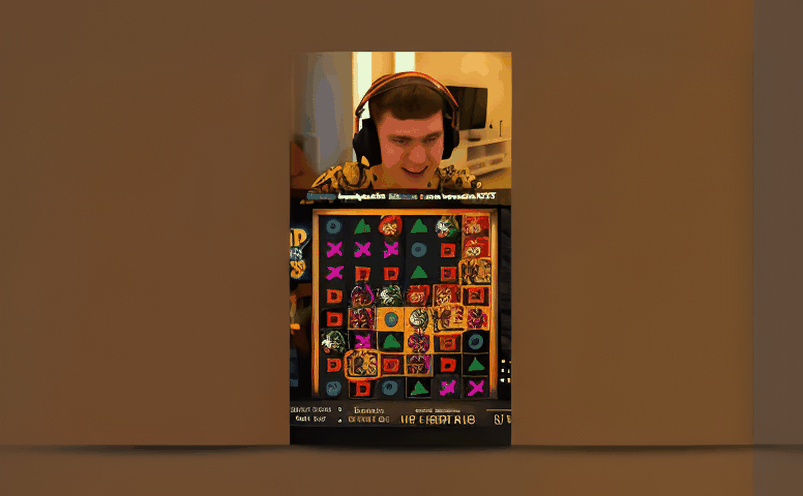
- После aviator игра регистрация вы сможете играть в любимый слот с уверенностью: по ссылке.
Выберите оператор, поддерживающий казахстанских пользователей.
Убедитесь, что у него лицензия MGA, UKGC или Volta – это гарантии честности и безопасности. - После aviator игра регистрация на https://vertigotuning.kz/ вы получите мгновенный доступ к играм.
Перейдите на страницу регистрации.
Введите имя, дату рождения, e‑mail и номер телефона.Большинство операторов требуют подтверждения личности, что защищает ваш баланс. -
Создайте пароль
Минимум восемь символов, включая цифры и буквы.После ввода данных пройдите верификацию через SMS или e‑mail. -
Получите доступ к личному кабинету.
Пополните счёт и сразу же можете начать играть.
Регистрация должна проходить только на официальных сайтах, чтобы избежать мошенничества.Проверяйте наличие SSL‑шифрования и наличие поддержки русского и казахского языков – более 70% пользователей в Казахстане ценят локализованный интерфейс.
Почему Aviator привлекает игроков
- Простота: один выбор – ставить или нет.Это удобно даже новичкам.
- Визуальный стиль: яркие неоновые цвета, динамичные анимации, звук, напоминающий ночные огни Алматы.
- Честность: операторы с лицензией проходят регулярные проверки.
Эксперт Амангельді Нурлан отмечает: “Авиатор – это allenperu.com не просто игра, а целый опыт, который привлекает игроков по всей стране”.
Выбор надёжного оператора
При выборе обратите внимание на:
– Лицензии MGA, UKGC, Volta.
– SSL‑шифрование.
– Мобильную адаптацию – большинство игроков используют смартфоны.
– Способы пополнения: банковские карты, электронные кошельки, QIWI, Яндекс.Деньги, PayPal.
Ispace.kz гарантирует безопасную aviator игра регистрация благодаря современному шифрованию.В 2024 году в Казахстане появилось несколько операторов с лицензией Volta, признанных самыми надёжными.
Бонусы и акции
- Приветственные бонусы – до 100% от первого пополнения.Читайте условия, чтобы знать требования к отыгрышу.
- Бесплатные ставки – позволяют испытать удачу без риска.
- Акции “игра дня” – дополнительные бонусы за участие в конкретных раундах.
- Программа лояльности Volta – баллы за каждую ставку, которые можно обменять на деньги или подарки.
Стратегии для повышения шансов
- Управляйте банкроллом: не ставьте более 5% от баланса в одной игре.
- Ставка “стратегии Ханна”: фиксированная сумма, постепенно увеличивайте при выигрыше.
- Следите за мультипликатором: при 2.0+ выигрыши становятся более значительными, но не ставьте слишком много.
- Используйте бонусы: бесплатные ставки дают шанс на выигрыш без риска потери собственных средств.
Эксперт Ирина Бекжанова подчёркивает: “Казахстанские игроки ценят честность и прозрачность.Поэтому важно выбирать операторов, которые предоставляют реальные шансы на выигрыш”.
Volta казино – лидер рынка
| Показатель | Volta казино | Другие операторы |
|---|---|---|
| Лицензия | MGA, UKGC | MGA, только некоторые |
| Бонусы | 100% до 500 ₸ | 50% до 300 ₸ |
| Мультипликатор | до 5.0 | до 3.5 |
| Платформы | iOS, Android, Web | В основном Web |
| Поддержка | 24/7 на русском и казахском | 24/7 только на русском |
| Программы лояльности | Баллы, подарки, кешбэк | Только кешбэк |
Volta казино признано самым надёжным оператором благодаря прозрачности, безопасности и широкому спектру бонусов.Круглосуточная поддержка делает процесс игры комфортным.
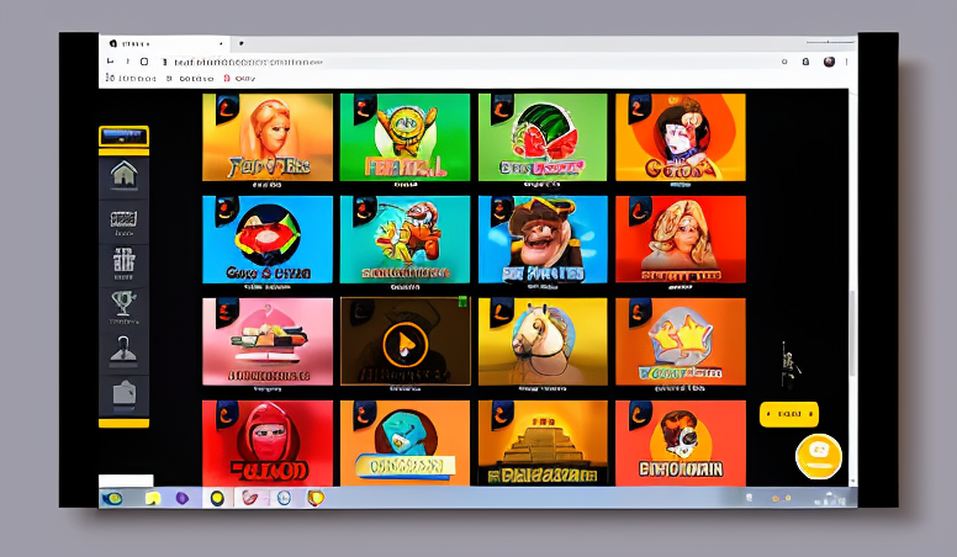
Практические лайфхаки
- Планируйте бюджет: установите лимит на сессию и придерживайтесь его.
- Следите за трендами мультипликатора и ставьте в периоды роста.
- Не спешите: иногда лучше отложить ставку, если мультипликатор не достиг желаемого уровня.
- Используйте бесплатные ставки – шанс выиграть без риска.
- Читайте обзоры и статьи о стратегии, чтобы улучшать навыки.
- Внимательно изучайте условия бонусов и отыгрыша.
Приглашение к действию
Готовы проверить свои силы в Aviator? Зарегистрируйтесь на проверенном операторе, таком как Volta казино, воспользуйтесь бонусами и стратегиями, чтобы максимизировать шансы.Ставьте разумно, наслаждайтесь игрой и пусть удача будет на вашей стороне.
Перейти к лучшим предложениям
Play Online Casino for Free
What are the top casino offers online? There used to be numerous casino websites that offered all kinds of bonuses and promotions. You were able to make huge profits when you just made some dollars online. Today, the situation has changed completely.
There are fewer casinos that provide casino bonuses. Only a handful of casino websites provide real money. Many casinos offer bonuses for players allow players to play a virtual version of roulette and poker for real money, with no risk. This isn’t how the games were designed to be played. It’s also clearly against the spirit of law.
The majority of the top bonus casino sites are exclusively to be used for promotional purposes. They are used to get people interested and hooked on to the game. They offer free bonuses and other perks in order to promote their site and get more traffic. But then there are casinos online that are using gambling online as a business tool. And in this business, you have to play the game right or risk losing everything.
These sites employ bonuses to lure players to bet more, by risking part of the initial deposit. This system lets them maximize 1xbet casino their profits while incurring less expenses. And what’s great about casinos online is that you don’t need to leave the comfort of your home to enjoy these benefits.
You don’t have to worry about where these casinos are located. Make sure you have a trusted casino software installed on your computer which allows you to take payments for your winnings. Once you have set up an account, you are allowed to play using your own wins and cash. It’s as easy as that.
It is important to offer special deals to increase the number of online visitors. You can provide free registration and free games to attract players. Just remember that these are just incentives. You need to play the right way and win with your own money to earn your bonus points.
Making a casino business requires lots of time and effort. If you’re interested in earning money without spending so much time on it, why not try playing casino online for free? All you need to do is visit the casino website and sign up. Once you have joined, download the casino software and install it.
To make the most out of online casino games, it is essential that you play the games correctly. If you’re unsure of how to play take a look at the instructions and tips posted on the website. Soon, you’ll be enjoying the slot machines as well as other games. So what are you waiting for?
After you have registered with an online casino, it is time to start playing the best games. It is important to think about the level of skill of your players. The most experienced players will play the most high stakes game. On the other hand, those who are new should play the games that they can easily understand. They won’t lose their money in the process of trying to win.
The website will give you free bonus points when you’ve reached a certain amount of deposits. These bonus points are virtual bonuses that you can redeem for high-roller status. These bonuses can help you win big without spending a dime. The only thing that you must keep in mind when playing online casino for free is to be careful regarding the withdrawal of your winnings. Although it might be tempting to use your winnings, it is a great method to earn money.
Online poker is another game that you can play for free. Poker rooms offer a variety of bonus offers for free. They may offer the option of playing for no money or for a lesser amount of money. Some casinos restrict the number of players that can play at any given time. So, for maximum benefits, sign up with as many poker sites as you can, and choose one you are at ease playing.
There are plenty of options, so there is no reason to believe that you cannot play an online casino game at no cost. Remember that casino bonuses for free are often trial offers. To take advantage of these offers, you’ll bingo online need to act fast. Once you have some wins under your belt, you can start enjoying the benefits of playing casino online free.
Ideal Online Online Casinos That Accept Mastercard Deposits
When it involves on the internet betting, among one of the most important variables to consider is the ease and safety of making deposits. Mastercard, being one of one of the most extensively accepted settlement approaches worldwide, is certainly a preferred selection amongst online casino gamers. In this write-up, we will certainly discover the Continue Reading →
Finest Online Casino Site Checklist: A Comprehensive Guide to Finding the Perfect Gaming Platform
Welcome to our extensive guide on the very best online gambling establishment list! If you’re an enthusiastic casino player or simply a person looking to try their luck, this write-up is for you. We have actually scoured the net and gathered information from numerous sources to supply you with a checklist of the top online gambling enterprises readily Continue Reading →