Category Archives: Uncategorized
Fall Rewards Card
There’s plenty of time to work on fall reward points!
The 2014 Fall Rewards Card is now available on the Healthy Horizons website: www.butler.edu/healthy-horizons/health-programs/rewards-program.
In an effort to maintain and grow a Green Campus, the form may be completed online and emailed directly to Healthy Horizons!
How to Prep and Steam Artichokes
New to cooking? Need a refresher? Looking to use a new ingredient?
Check out this instructional video from Cook Smarts on how to prep and steam artichokes.
Like what you see? Check out the awesome content over at cooksmarts.com.
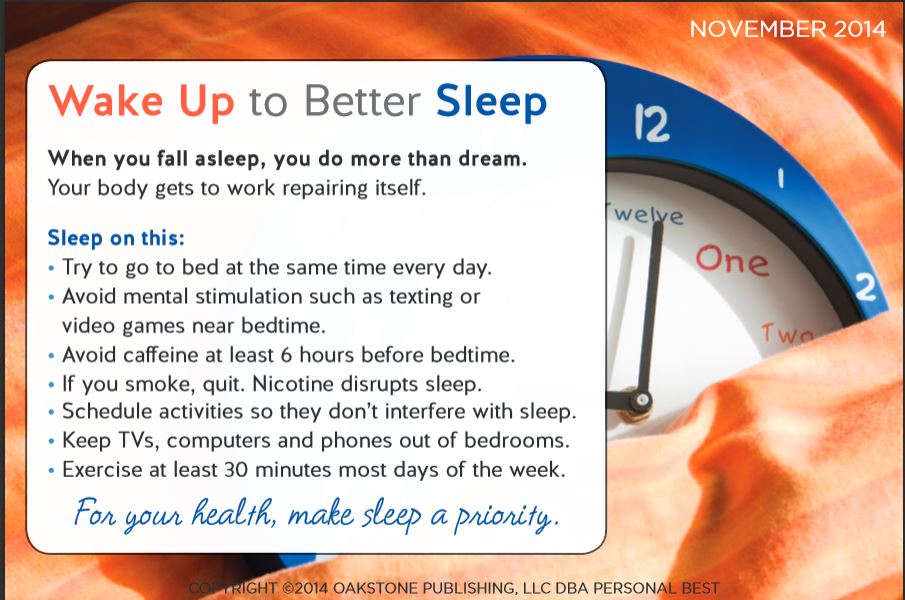
November Newsletter
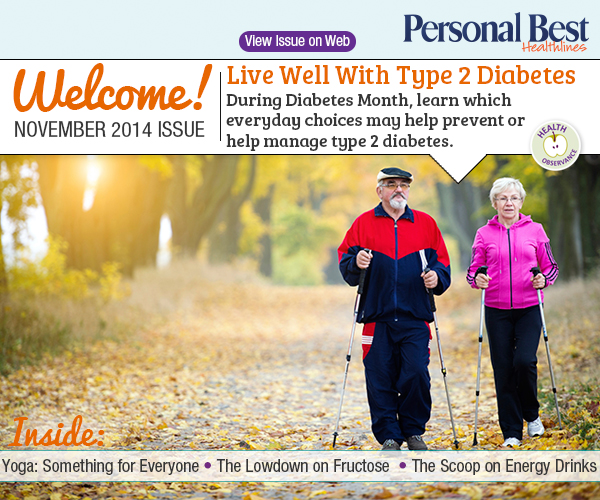
- Live Well With Type 2 Diabetes
- Tobacco: Quitters Win
- Do e-cigarettes help smokers quit
- Yoga: Something for Everyone
- Living with COPD
- The Scoop on Energy Drinks
- The Art of Listening
- Turning Wishes Into Actions
- Staying Connected on the Road
- Quitting Smoking: Big Payoff
- Managing Multiple Credit Cards
- Designed for Safety
- Work it Out
- Ice Issues
- The Lowdown on Fructose
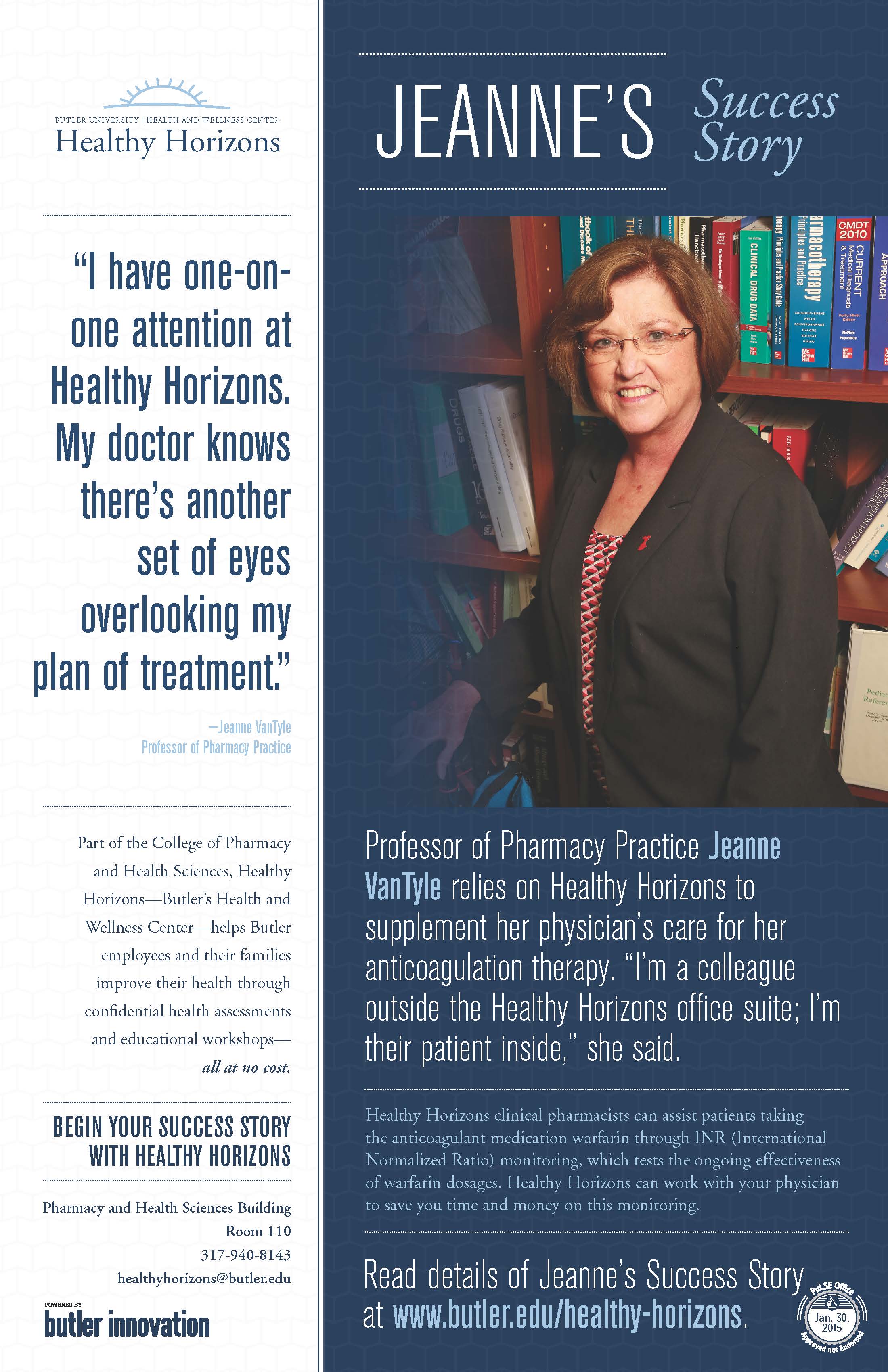
Healthy Horizons Success Story – Jeanne VanTyle
The anticoagulant medication warfarin (also called Coumadin) prevents the formation of blood clots; clots can cause strokes, pulmonary emboli, and other life-threatening conditions. Healthy Horizons offers free INR (International Normalized Ratio) monitoring to Butler personnel taking warfarin to test the ongoing effectiveness of their dosages. For the past four years, Professor of Pharmacy Practice Jeanne VanTyle has gone to Healthy Horizons for regular INR monitoring.
Here is her story, in her own words.
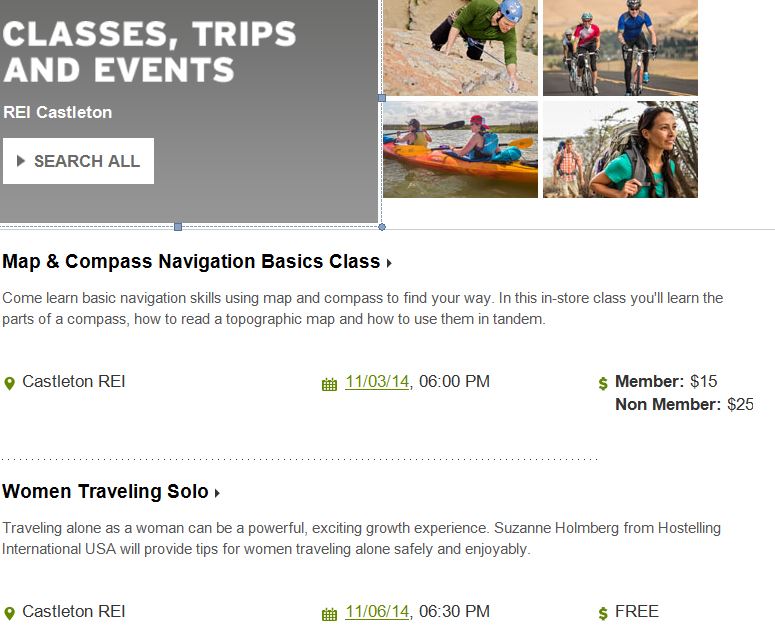
Free classes at REI in Castleton
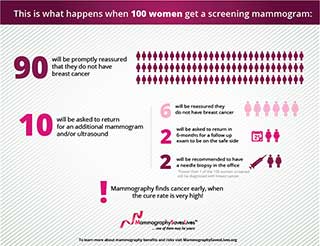
Breast Cancer Awareness Month – Wrap Up
Thank you for following the Healthier BU blog through Breast Cancer Awareness Month! I hope the information presented was educational and enjoyable. As a final reminder to conclude the month, please receive your annual screening mammogram! It may save your life.
What’s New in Breast Cancer Research?
Research is constantly being done to improve our knowledge of breast cancer so that we may develop the best possible treatment and prevention strategies. Some recent research areas are shared below.
Causes of Breast Cancer
Studies continue to find lifestyle factors and habits that alter breast cancer risk. Some studies are looking at the effect of exercise, weight gain or loss, and diet on breast cancer risk. We are also learning more about how genes influence breast cancer. This should happen more quickly now that the human genome has been mapped out.
Chemotherapy Drugs
Because advanced breast cancers are often hard to treat, researchers are looking for newer, better drugs. A drug class has been developed that targets cancers caused by BRCA mutations. This class of drugs is called PARP inhibitors and they have shown promise in clinical trials treating breast, ovarian, and prostate cancers that had spread and were resistant to other treatments. Further studies are being done to see if this drug can help patients without BRCA mutations.
Targeted Therapies
- Drugs that target the HER2 protein (a protein commonly associated with breast cancer)
- A number of drugs are approved to target excess HER2 protein. Studies are being done to see how best to use these in treating early breast cancer. Other drugs that target the HER2 protein are being tested in clinical trials. Researchers are also looking at using a vaccine to target the HER2 protein.
- Anti-angiogenesis drugs
- For cancers to grow, blood vessels must be made to feed the cancer cells. New drugs are being made that may be useful in stopping breast cancer growth by keeping new blood vessels from forming. Some of these drugs are now being tested in clinical trials.
- Other targeted drugs
- Everolimus (Afinitor) is a targeted therapy drug that seems to help hormone therapy drugs work better. It is approved to be given with one certain hormone therapy drug to treat advanced hormone receptor-positive breast cancer in women who have gone through menopause. It has also been studied with other hormone therapy drugs and for treatment of earlier stage breast cancer.Other possible targets for new breast cancer drugs have been identified in recent years. Drugs based on these targets are now being studied, but most are still in the early stages of clinical trials.
Clinical Trials
Clinical trials are carefully controlled research studies that are done with patients who volunteer for them. They are done to get a closer look at promising new treatments or procedures.
If a breast cancer patient would like to take part in a clinical trial, they can start by asking their doctor if their clinic or hospital conducts clinical trials. They can also call our clinical trials matching service for a list of clinical trials that meet your medical needs. They can reach this service at 1-800-303-5691 or on our website at http://www.cancer.org/clinicaltrials. They can also get a list of current clinical trials by calling the National Cancer Institute’s Cancer Information Service toll-free at 1-800-4-CANCER (1-800-422-6237) or by visiting the NCI clinical trials website atwww.cancer.gov/clinicaltrials.
Clinical trials are one way to get state-of-the art cancer treatment. In some cases they may be the only way to get access to newer treatments. They are also the only way for doctors to learn better methods to treat cancer. Still, they are not right for everyone. All medical decisions in regard to treatment should be carefully made between a patient and their physician.
Breast Cancer – Support for Caregivers
10 Tips for Family Caregivers
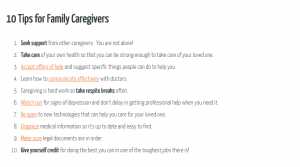
A new diagnosis of cancer not only affects the patient, but can significantly affect close friends and family as well. Many times, these close loved ones will be asked to serve in the role as caregiver to the patient who is fighting cancer. Caring for someone who is sick, taking on new responsibilities, and worrying about the future can be exhausting at the very least. It is important to remember that caregivers who take care of their own needs and get the information, help, and support they need are better prepared to take care of their loved ones.
There are many resources available to caregivers and/or family members of patients who have cancer. All of the below organizations and foundations have information and resources specifically to help caregivers.
- The American Cancer Society
- The National Cancer Institute
- CancerCare
- Cancer Support Community
- Family Caregiver Alliance
- Caregiver Action Network
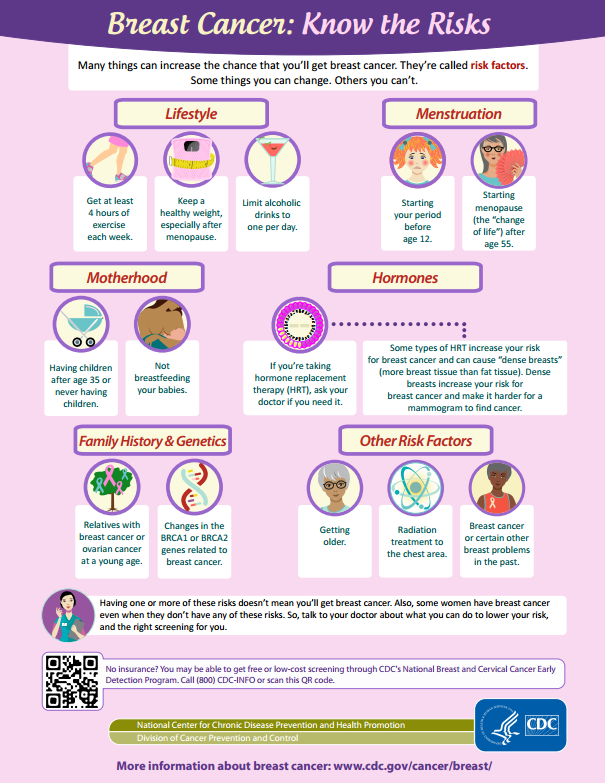
Breast Cancer: Know the Risks
Breast Cancer: Know the Risks
Check out this infographic from the CDC on risk factors for breast cancer.