
- Eat a variety of fruits, vegetables and whole grains. Fruits, vegetables and whole grains contain vitamins, minerals, fiber and antioxidants, which may play a role in cancer prevention. Choose a variety of fruits and vegetables so that you get an array of vitamins and nutrients.
- Drink alcohol in moderation, if at all. If you choose to drink alcohol, limit the amount of alcohol you drink to no more than one drink a day for women and two for men.
- Stop smoking. Talk to your doctor about ways to quit that may work for you.
- Exercise most days of the week. Try to get at least 30 minutes of exercise on most days. If you’ve been inactive, start slowly and build up gradually to 30 minutes. Also, talk to your doctor before starting any exercise program.
- Maintain a healthy weight. If you have a healthy weight, work to maintain your weight by combining a healthy diet with daily exercise. If you need to lose weight, ask your doctor about healthy ways to achieve your goal. Aim to lose weight slowly by increasing the amount of exercise you get and reducing the number of calories you eat.
If You’re 50 or Over – Don’t Wait Get Screened Now

Nutrition For Colon Cancer Prevention – Healthy Horizons Lunch and Learn, Friday, March 27th, Noon
Optimizing your nutrition for colon cancer prevention
Friday, March 27, Noon-12:45, PB204
Samples will be available for the first 30 people
How much fiber do I need? How can I sneak in my fruits and vegetables? Looking for non-meat cooking ideas? Come find the answers- join Healthy Horizons for an interactive session to learn practical tips and sample nutritious ideas on how to eat healthy and support colon health.
Participants will be entered into a drawing for a Healthy Horizons gift package.
Please rsvp to healthyhorizons@butler.edu by Thursday, March 26th.
Five Myths About Colorectal Cancer
Myth: Colorectal cancer is a man’s disease.
Myth: Colorectal cancer cannot be prevented.
Other ways to help lower your chances of getting colorectal cancer:
- Get to and stay at a healthy weight throughout life; stay lean without being underweight.
- Be physically active; limit the time you spend sitting, lying down, watching TV, etc.
- Eat at least 2½ cups of vegetables and fruits each day.
- Choose whole grains over refined grain products.
- Limit the amount of red meat and processed meat you eat.
- If you drink alcohol, limit the amount to 1 drink per day for women, 2 per day for men.
- Don’t use tobacco in any form.
Myth: African Americans are not at risk for colorectal cancer.
Myth: Age doesn’t matter when it comes to getting colorectal cancer.
Myth: It’s better not to get tested for colorectal cancer because it’s deadly anyway.
Colonoscopy Prep is Very Important – Listen For Some Tips….
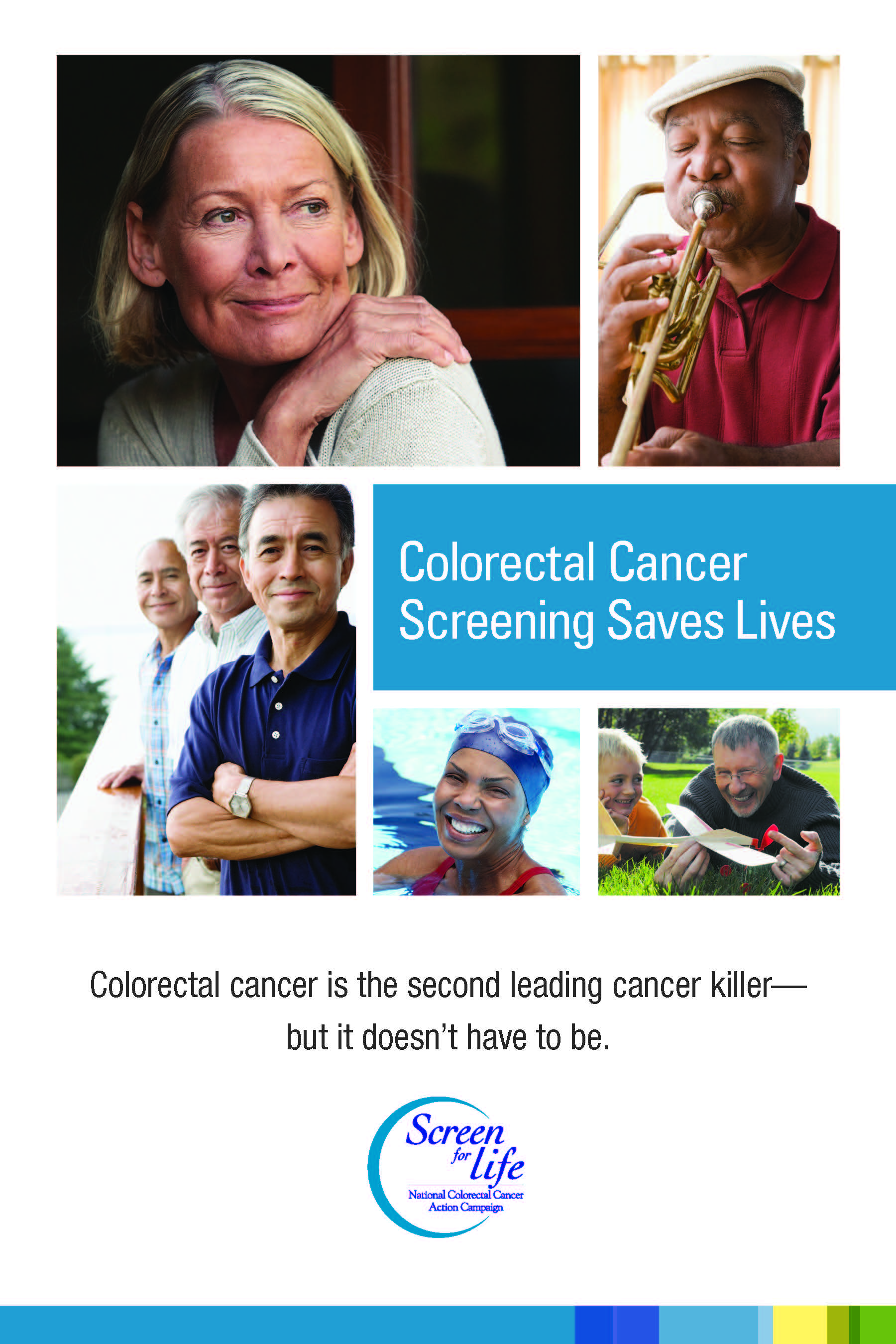
Colorectal Cancer – 2nd Leading Cancer Killer – PLEASE Get Screened!
Top Cancer-Fighting Foods

Training To Be An Ironman – One Colon Cancer Survivors Journey
Signs and symptoms of colorectal cancer

Colorectal cancer may cause one or more of the symptoms below. If you have any of the following you should see your doctor:
- A change in bowel habits, such as diarrhea, constipation, or narrowing of the stool, that lasts for more than a few days
- A feeling that you need to have a bowel movement that is not relieved by doing so
- Rectal bleeding
- Blood in the stool which may make it look dark
- Cramping or abdominal (belly) pain
- Weakness and fatigue
- Unintended weight loss
Colorectal cancers can bleed. While sometimes the blood can be seen or cause the stool to become darker, often the stool looks normal. The blood loss can build up over time, though, and lead to low red blood cell counts (anemia). Sometimes the first sign of colorectal cancer is a blood test showing a low red blood cell count.
Most of these problems are more often caused by conditions other than colorectal cancer, such as infection, hemorrhoids, irritable bowel syndrome, or inflammatory bowel disease. Still, if you have any of these problems, it’s important to see your doctor right away so the cause can be found and treated, if needed.
Preventing Colon Cancer – What You Can Do