It is estimated that as many as five million Americans age 65 and older may have Alzheimer’s disease. Alzheimer’s disease is the most common cause of dementia among older people and it is the sixth leading cause of death in the United States. The direct cost of caring for those with Alzheimer’s is estimated at $214 billion with 1 in 5 of those dollars coming from Medicare. This disease is clearly a major public health concern. The good news is, there is sufficient evidence to support that the adoption of a healthy lifestyle can help to prevent the development of dementia and Alzheimer’s disease.
Alzheimer’s disease has been commonly referred to as Type 3 Diabetes Mellitus or brain diabetes. Discovered in 2005 at Brown University Medical School, Alzheimer’s occurs when protein plaque builds up as a result of elevated blood sugar in the brain. This causes memory loss, improper memory creation, and other symptoms indicative of mental decline.
Just like the pancreas produces insulin so does the brain. This glucose (sugar) acts as necessary fuel to maintain brain function, which is crucial for proper learning and memory. When brain cells do not get enough fuel they begin to die off and lead to diseases such as Alzheimer’s. Researchers have found that insulin receptors in the brain are lower in people with Alzheimer’s disease.
When the body does not use insulin properly, it results in increased blood glucose and in turn, increased insulin production. The body reacts to the constant barrage of insulin by eliminating cell receptors for it, causing insulin sensitivity. A diet high in carbohydrates and refined sugars from foods such as breads, cereals, and pastas, increases the chances of developing insulin sensitivity. Many researchers now consider elevated blood sugar a leading risk for dementia.
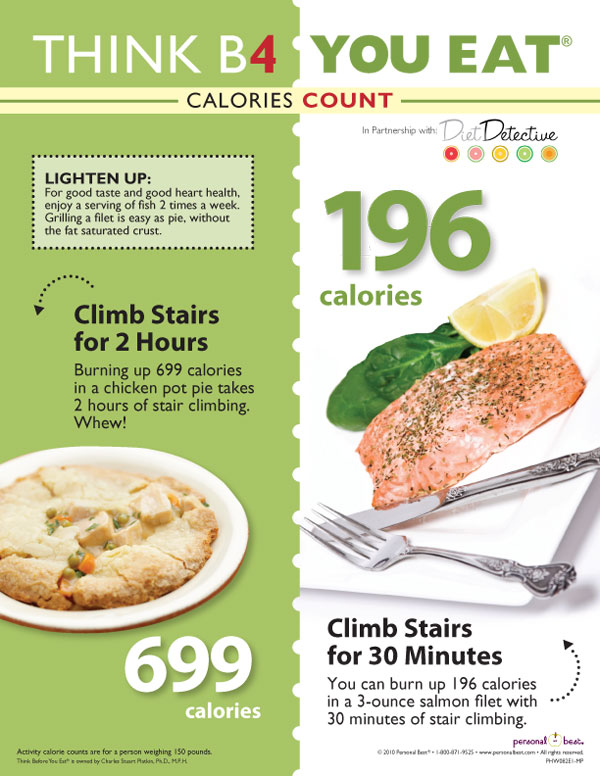
Replacing sugars with healthy fats will help stabilize blood sugar and help fuel the brain. Ketones are metabolized in the liver after you consume fats and can be used as the only other source of fuel by the brain. Healthy fats include saturated fat from pasture-raised animals (butter, ghee, cream, tallow, lard, fatty meats, egg yolks, organ meats) and tropical oils (palm, coconut), as well as monounsaturated fats from olive oil and avocados, and small amounts of polyunsaturated fat from eating nuts, seeds, and fatty fish. Try to avoid polyunsaturated vegetable and seed oils made from corn, soy, canola, sunflower, safflower and cottonseed. And strictly avoid hydrogenated oils (trans fat).
These preventative measures are strongly encouraged, especially to middle-aged folks, to reduce the risk of developing Alzheimer’s disease:
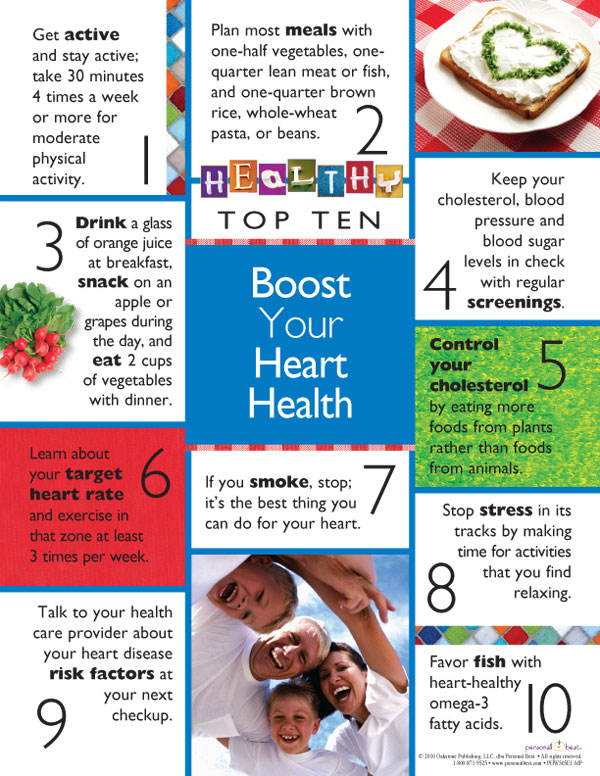
- Stop smoking
- Exercise
- Eat a diet rich in fruits and vegetables and fatty fish
- Avoid becoming obese and diabetic
- Avoid excessive alcohol intake
- Treat high blood pressure
Stock your kitchen with the healthy, brain-boosting foods in our online store!

 WHAT IS RUNSAFER?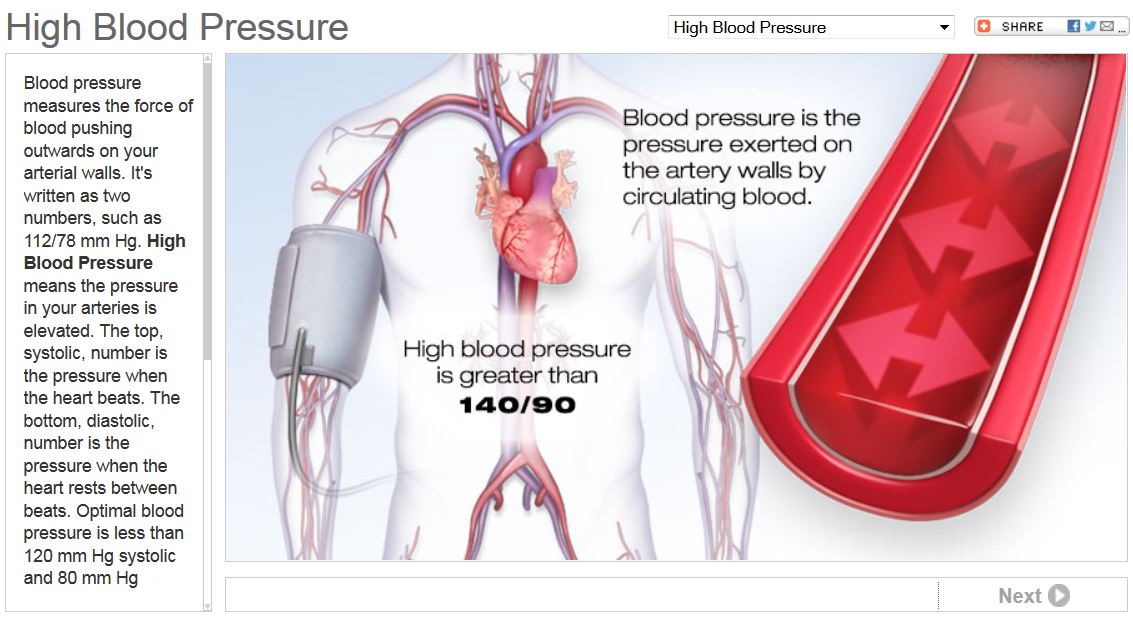


 After sitting for hours in a plane, train or automobile, the first thing you might want to do is collapse on your bed. But the best way to get travel agitation out of your system is to work out! Plus, exercise helps you adjust to a new time zone. Whether it’s for business or for pleasure, when you’re traveling, fitness seems to fall last in the lineup. You’re out of your normal environment and routine, so it’s easy to make excuses. Make fitness just as important as your business meeting and set aside 20 minutes for a workout. That’s all you need. Even if you don’t have time to find a gym in or around the hotel, here are 10 moves you can do in your hotel room — no equipment, no excuses!