Great Fun-Great Amazing Race coming for Adults & Kids!

Modeled after the TV series “The Great Amazing Race”, an Indianapolis Adult & Kids (ages K-12) Race will occur Sunday, September 3rd, 2017 from 4-7 PM at Northwestway Park, 5253 W. 62nd St, Indianapolis, IN.

For information and registration check the website:

https://www.eventbrite.com/e/9317-great-amazing-race-indianapolis-family-friendly-adventure-runwalk-for-adults-kids-grades-k-12-tickets-34046000504?aff=es2

The video below depicts another race similar to this one:

Sodium Reduction – Easy Steps

Annette Gray, Leader Culinary Innovation and Research and Development Chef for Aramark.

For years, we at Aramark have been working on our commitment to health and wellness, with our team of 750 dietitians and our Healthy for Life® program in place. At the same time, the American Heart Association had been working on improving the cardiovascular health of all Americans and reducing deaths from cardiovascular diseases and stroke by 20 percent. In 2015, when we realized we shared common goals, we decided to team up and Healthy for Life 20 by 20 was born, our joint initiative to, by 2020, improve the health of all Americans by 20 percent.

How exactly do we plan to achieve this ambitious goal over five years? In addition to consumer education, community health programs and other efforts, a significant portion of our initiative involves healthy menu innovation to reduce calories, saturated fat and sodium levels while increasing fruits, vegetables and whole grains. Because we’re one of the largest food service providers in the U.S., these changes we’re making in our kitchen stand to impact 10 billion meals by 2020.

  1. Sandwich bread swaps: To start, we completely overhauled our sandwich program to include more whole grain options. Most people don’t realize that sliced bread is a sneaky source of salt and some whole grain brands are actually higher in sodium than white breads. Our Product Development team asked consumers while our chefs conducted robust recipe testing to find the best options that would not compromise taste or increase overall sodium levels. This enabled us to keep quality paramount and our consumers satisfied. So when you’re shopping for bread, even whole grain types, check the nutrition labels for sodium content.
  2. Healthy condiments hacks: We’re challenging the norm when it comes to everyday condiments, too. In some of our accounts, we’re switching from mayonnaise to Greek yogurt. This helps cut down on sodium, saturated fat, and calories, and it gives a little protein boost without impacting overall flavor. Another healthy condiment we’re incorporating is hummus. Most people probably think of this as a dip but this chickpea-based spread has a thick and creamy texture that has been well received on some of our vegetarian sandwich options and in some of our salad dressing recipes.
  3. Staying in season: We’ve made great strides in keeping our produce seasonal as a way to keep our customers excited and we’re happy to say it’s worked. Fresh fruit and vegetables typically have more flavor when they’re in season. Think of sweet corn and strawberries in the summer and delicious, juicy oranges in the winter. Filling up on fruits and vegetables naturally helps displace more processed foods which are typically higher in sodium.
  4. Plant-forward bowls: One of our greatest successes has been featuring whole grain bowls. Our bowl meals incorporate 50 percent whole grains, like farro, quinoa or brown rice and 50 percent vegetables, like Brussel sprouts, bell peppers, winter squash, mushrooms and more. Our grain bowls only have an average of 430 milligrams of sodium.
  5. Small steps: One of the biggest lessons we’ve learned in enhancing with our menus is that you can’t go from zero to 100. For example, instead of completely removing sodium from our soups right away, or moving all the way to low sodium varieties that many people don’t enjoy, we make subtle changes by reducing the amount of sodium by 100 or 200 milligrams at a time – replacing sodium as we go with other flavorful ingredients like herbs and spices and even vegetables purees.https://sodiumbreakup.heart.org/healthy_menu_innovation_that_can_help_everyone_be_healthy_for_life?utm_source=SRI&utm_medium=Email&utm_term=HFGweekly&utm_content=Aramark&utm_campaign=SodiumBreakup

 Just move more! There are lots of fun and easy ways to build more activity into your everyday routine, even if you’re not a gym hero.

  1. Park and go. How many times have you circled the parking lot to find that “rock star” spot? Spare yourself the stress by parking farther away (or even in a remote lot) and walking the rest of the way to your destination.
  2. Wear what you’ve got. You don’t need special clothing to simply get out and walk. A comfortable, supportive pair of shoes and a few basics will keep you ready to go.
  3. Work out at work. Add some healthy activity to your work day. Take 10-minute walking breaks, schedule walking meetings when possible, do some yoga or stretching during downtime, or walk to a nearby restaurant for lunch instead of driving.
  4. Schedule it. Having trouble making time for physical activity? Set an alarm on your phone or schedule it on your calendar – and treat it like any other important appointment.
  5. Burn those calories. Being more physically active can help you lose weight faster and keep it off for good. The key is using up more calories than you eat each day.
  6. Take the stairs. The elevator may go up — but it doesn’t up your opportunities for activity. Take the stairs instead, even if only for a floor or two. You may huff and puff at first, but over time, your body will thank you.
  7. Set a goal. Having a commitment or goal, like being active for at least 150 minutes each week, will help you stay on track. Share it with others to keep yourself accountable. If you’re the competitive type, challenge friends, family or coworkers and see who can consistently meet their goals over time.
  8. Go mobile. Catching up on phone calls? Walk your talk – in your neighborhood, on a treadmill or around your workplace. If you use a headset or earbuds make sure you can still hear traffic.
  9. Pick up the pace. When walking, running or cycling, increase your speed from leisurely to brisk or choose a route with more hills or inclines. Or alternate moderate and vigorous intensity. You’ll get a more intense workout in the same amount of time.
  10. Be a sport. Team and individual sports can be a fun way to meet your activity goals. Join a recreation center or league in your community, or round up some friends or coworkers for an informal game.
  11. Buddy up. Find a physical activity accountability partner. The coworker who always holds you to your deadlines can also help you reach your fitness goals.
  12. Fitness first. Shake up your family’s after-school/after-work routine. Join your kids for a bike ride or shoot some hoops before starting on homework and chores. You’ll all feel better and think better!
  13. Timing is everything. If you find you’re better at sleeping in than making it to that morning workout, try getting active at a different time of day.
  14. Just dance. Clear some space, put on some music, and take a dance break! It can re-energize a work meeting, study session, lazy Sunday or game night. Let each person take a turn as DJ so everyone’s favorites get played.
  15. Get your garden on! Gardening, lawn mowing and yard work are a great way to get active outdoors. No yard? No problem. Try container gardening or a local community garden.
  16. Put the screens on hold. Instead of heading right for the TV or game console after dinner, make that family activity time. Take a walk, practice a sport, or play a game of tag or hide-and-seek.
  17. Be an active parent. Experts say that what kids want more than anything else is time with their parents. To give them that, don’t just send them out to play — go play with them!
  18. Get a kinder, gentler workout. Try mindful movement like yoga, tai chi or qi gong. These gentle mind-body practices may leave you less stressed and more relaxed while improving your health.
  19. Stress is no excuse to skip your workout. Regular physical activity can help you manage stress, sleep better and have more energy.
  20. Tune into fitness during TV time. Walk or jog in place or on a treadmill, lift weights, or do yoga while you watch your favorite shows. Break up a TV binge with a 10-minute activity session between episodes. Or challenge the kids to see who can do the most pushups or jumping jacks during commercial breaks.
  21. Do what you love. Find activities that fit your personality and motivate you to stick with them. If you’re a social person, try a group dance class, a kickball team or walking with a group of friends. If you prefer time alone, yoga or running might be a better fit for you.
  22. Make active chore cards. Let each family member draw a card each day with a different active task that needs to be done. Cleaning up after dinner, walking the dog, taking the trash out, folding laundry and unloading the dishwasher are all good ways to get your family up off the couch – and get the chores done.
  23. Stay active when you travel. Don’t take a vacation from fitness. Instead of a bus tour, see the sights by walking or bicycling. If you’ll be spending a lot of time in an airport, walk while you wait! Throw a jump rope or resistance band in your suitcase. And take advantage of the hotel fitness center or swimming pool.
  24. Get active for a cause. If you live to help others, active community events like the Heart Walk are a great way to do something healthy while giving back. Some even offer fitness training, team opportunities and prizes!
  25. Change up date night. An evening out with your spouse or bestie doesn’t have to mean dinner and a movie. Keep a list of activities that would be fun to do together, like walking, bowling, miniature golf, dancing, indoor rock climbing, or hula hooping! Get creative – the possibilities are endless.
  26. Fit in walking. Being more active doesn’t have to take up a lot of time. You can walkjust about anytime, anywhere, and every 10-minute session counts toward your goal of at least 150 minutes per week.
  27. Warm up to warming up. A proper warm-up (and cool-down) can help you improve flexibility and avoid injury. You’ll feel better after every workout and be more likely to stick with it.
  28. It’s a dog’s life. A dog can be a great walking or running companion. If you don’t have one of your own you could volunteer at a local shelter, help out a neighbor who is too busy to walk their dog, or start a dog-walking service!
  29. Do it anyway. Didn’t make it to the gym before it closed? Create your own circuit workout at home! No equipment needed, just a little willpower and creativity.

Portion Size vs. Serving Size

Sometimes the portion size and serving size are the same, but sometimes they are not. Over the past few years portions have grown significantly in restaurants, as has the frequency of Americans eating out. Learn how much to put on your plate to help control how much you eat.

 Big portion sizes can mean you’re getting more food than your body can stomach to maintain a healthy weight.

Heart Rate Calculator

For age-based heart rate calculator follow this link:

https://www.acefitness.org/acefit/healthy_living_tools_content.aspx?id=7

Additional Information:

Aerobic conditioning is the ability of the heart, lungs, and circulatory system to supply oxygen and nutrients to the working muscles. It involves the ability to persist in activities, such as elliptical training, walking, jogging, and cycling. Improved aerobic endurance is associated with increased health and reduced risk of chronic disease, such as obesity, heart disease, type 2 diabetes, high blood pressure, and stroke.

To experience the health benefits of aerobic endurance training, you should participate in prolonged aerobic exercise (eventually reaching 20 to 60 minutes of continuous training) at an intensity (or level) that stimulates the aerobic system. Fortunately, if you are a beginner who has been inactive for a long time, you can start with 5 to 10 minutes of aerobic exercise and still get aerobic health benefits. The intensity of aerobic exercise (or how hard you work) is simple to determine if you know how to measure your heart rate and if you pay attention to how you feel during a workout.

Measuring Heart Rate

The measurement of heart rate, or pulse, is represented in beats per minute (bpm). To assess heart rate, place your fingertips on either the radial or carotid pulse site. If you choose to take your pulse at the carotid side, avoid putting heavy pressure on the carotid arteries because they contain receptors that sense increases in pressure and respond by slowing the heart rate.

To determine the number of beats per minute, take the pulse rate, counting the first pulse beat as zero, for 10 seconds and then multiply by six.

Target Heart Rate

The rate at which your heart beats during exercise can be used to assess how hard you are working. When performing light to moderate exercise, your heart rate increases as your work rate increases. This ensures that blood gets to the muscles so that they can get the oxygen and nutrients they need to continue working.

Being able to measure your heart rate allows you to determine aerobic exercise intensity by taking your pulse during the workout and comparing it to your target heart rate. A common method to determine your target heart rate is based on a percentage of your estimated maximum heart rate.  Use the link above to use the heart rate calculator.

Now that you know your target heart rate range, you can check your pulse at regular intervals (every 5 to 10 minutes) during the workout session and compare your exercise heart rate to your target heart rate. If your exercise heart rate is below the target range, increase your pace or effort slightly to achieve the proper intensity. If your exercise heart rate is above the target range, decrease your pace or effort slightly to remain with the range.

While this method is widely used in the fitness industry, it can be inaccurate for many people. Therefore, gauging intensity using a percentage of predicted maximum heart rate should be used along with another method to ensure appropriate exercise intensity. A commonsense method called perceived exertion should always be used in conjunction with other heart rate-monitoring methods. Perceived exertion is a technical description of simply paying attention to how you feel during a workout.

How Do You Feel During A Workout?

Exercising at an appropriate intensity should feel somewhat challenging, but it should also feel like you could continue on for a prolonged time period. If you are working at too easy of an intensity, you will still receive some health benefits but you will not experience the calorie-burning effect and the aerobic benefit that you would if you were working at an appropriate intensity. If you are working too hard, you won’t last very long because you will become extremely fatigued and run the risk of injuring yourself in the process.

A quick, easy way to evaluate intensity is to check your ability to breathe and talk. You should be able to breathe fairly comfortably and rhythmically throughout all phases of a workout to ensure a safe and comfortable level of exercise, especially if you’re just beginning an exercise program. You should also be able to talk continuously, completing short sentences with no problem. If you cannot carry on a conversation, you may be working too hard. While you should challenge yourself, use this gauge of monitoring your ability to talk continuously for 10 – 20 seconds as an effective guideline.

Heart Rate Training Zones

Another way to evaluate your aerobic exercise intensity is to compare how you feel to an established guide, such as a heart rate training zone. For our purposes and for new exercisers, training target zones can be thought of as a traffic light where the green, yellow, and red lights correspond to the intensity of exercise. That is, the green training zone represents an appropriate level of intensity (light to moderate exercise) that indicates “continue,” like a green traffic light. The yellow training zone indicates an intensity that is moderate to vigorous, and if performed for too long could result in fatigue. When training in the yellow zone (moderate to vigorous exercise), an exerciser should slow down or proceed with caution if the intensity feels too high, similar to the rules for a yellow traffic light. Lastly, exercising at a very vigorous pace or very high intensity reflects training in the red zone, which corresponds to a red traffic light, which means stop.

Exercise in the red zone may be harmful to beginners or people with health conditions and should be reserved for those who are experienced exercisers or under the care of a trained health professional.
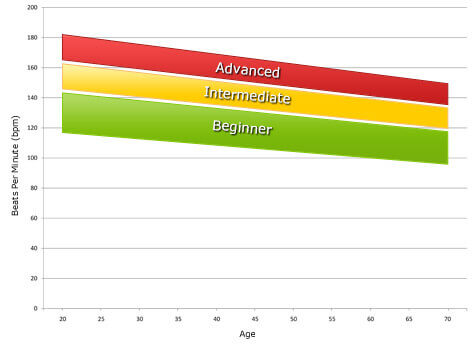

Target Hear Rate Chart

Updated Date for “Pack the Park”

Details

Indy Parks, the Indianapolis Parks Foundation, and MHS (Managed Health Services) want to show you and your community how much we appreciate you! Pack the Parks will be a fun-packed experience as it helps you explore all that Indy Parks has to offer.

POOL HOURS: Noon – 6 p.m.

Free Admission:
– Pools & Weight Rooms
– Eagle Creek Park + Swimming area (after 10 a.m.)
– Garfield Park Conservatory + Sunken Gardens
– Classes, crafts, games, giveaways, & more

Pete the Planner (Personal Finance Expert) will be offering two educational seminars: 11 a.m. at Windsor Village & 2 p.m. at Krannert Park
 See More