Colon Cancer Awareness – Take the Quiz

Click below to take the quiz regarding colorectal cancer awareness:

https://www.cdc.gov/cancer/colorectal/sfl/quiz/index.htm

What Are the Symptoms of Colorectal Cancer?

Photo of a man and womanColorectal polyps and colorectal cancer don’t always cause symptoms, especially at first. Someone could have polyps or colorectal cancer and not know it. That is why getting screened regularly for colorectal cancer is so important.

If you have symptoms, they may include—


  • Blood in or on your stool (bowel movement).
  • Stomach pain, aches, or cramps that don’t go away.
  • Losing weight and you don’t know why.

If you have any of these symptoms, talk to your doctor. They may be caused by something other than cancer. The only way to know what is causing them is to see your doctor.

Colorectal cancer risk factors you cannot change

Being older

Your risk of colorectal cancer goes up as you age. Younger adults can get it, but it is much more common after age 50.

A personal history of colorectal polyps or colorectal cancer

If you have a history of adenomatous polyps (adenomas), you are at increased risk of developing colorectal cancer. This is especially true if the polyps are large, if there are many of them, or if any of them show dysplasia.

If you have had colorectal cancer, even though it has been completely removed, you are more likely to develop new cancers in other areas of the colon and rectum. The chances of this happening are greater if you had your first colorectal cancer when you were younger.

A personal history of inflammatory bowel disease

If you have inflammatory bowel disease (IBD), including either ulcerative colitis or Crohn’s disease, your risk of colorectal cancer is increased.

IBD is a condition in which the colon is inflamed over a long period of time. People who have had IBD for many years, especially if untreated, often develop dysplasia. Dysplasia is a term used to describe cells in the lining of the colon or rectum that look abnormal, but are not true cancer cells. They can, however, change into cancer over time.

If you have IBD, you may need to start being screened for colorectal cancer when you are younger and be screened more frequently.

Inflammatory bowel disease is different from irritable bowel syndrome (IBS), which does not increase your risk for colorectal cancer.

A family history of colorectal cancer or adenomatous polyps

Most colorectal cancers are found in people without a family history of colorectal cancer. Still, as many as 1 in 5 people who develop colorectal cancer have other family members who have had it.

People with a history of colorectal cancer in a first-degree relative (parent, sibling, or child) are at increased risk. The risk is even higher if that relative was diagnosed with cancer when they were younger than 45, or if more than one first-degree relative is affected.

The reasons for the increased risk are not clear in all cases. Cancers can “run in the family” because of inherited genes, shared environmental factors, or some combination of these.

Most people with colorectal cancer have no family history of colorectal cancer. Still, as many as 1 in 5 people who develop colorectal cancer have other family members who have been affected by this disease.

Having family members who have had adenomatous polyps is also linked to a higher risk of colon cancer. (Adenomatous polyps are the kind of polyps that can become cancerous.)

If you have a family history of adenomatous polyps or colorectal cancer, talk with your doctor about the possible need to begin screening before age 50. If you have had adenomatous polyps or colorectal cancer, it’s important to tell your close relatives so that they can pass along that information to their doctors and start screening at the right age.

Having an inherited syndrome

About 5% to 10% of people who develop colorectal cancer have inherited gene changes (mutations) that can cause family cancer syndromes and lead to them getting the disease.

The most common inherited syndromes linked with colorectal cancers are familial adenomatous polyposis (FAP) and Lynch syndrome (hereditary non-polyposis colorectal cancer, or HNPCC), but other rarer syndromes can also increase colorectal cancer risk.

Familial adenomatous polyposis (FAP): FAP is caused by changes (mutations) in the APC gene that a person inherits from his or her parents. About 1% of all colorectal cancers are caused by FAP.

In the most common type of FAP, hundreds or thousands of polyps develop in a person’s colon and rectum, usually in their teens or early adulthood. Cancer usually develops in 1 or more of these polyps as early as age 20. By age 40, almost all people with FAP will have colon cancer if their colon hasn’t been removed to prevent it. People with FAP also have an increased risk for cancers of the stomach, small intestines, and some other organs.

  • In attenuated FAP, which is a subtype of this disorder, patients have fewer polyps (less than 100), and colorectal cancer tends to occur at a later age.
  • Gardner syndrome is a type of FAP that also has non-cancerous tumors of the skin, soft tissue, and bones.

Lynch syndrome (hereditary non-polyposis colon cancer, or HNPCC): Lynch syndrome accounts for about 2% to 4% of all colorectal cancers. In most cases, this disorder is caused by an inherited defect in either the MLH1 or MSH2 gene, but changes in other genes can also cause Lynch syndrome. These genes normally help repair DNA that has been damaged.

The cancers in this syndrome develop when people are relatively young. People with Lynch syndrome can have polyps, but they tend to only have a few, not hundreds as in FAP. The lifetime risk of colorectal cancer in people with this condition may be as high as 80%, but this depends on which gene is affected.

Women with this condition also have a very high risk of developing cancer of the endometrium (lining of the uterus). Other cancers linked with Lynch syndrome include cancer of the ovary, stomach, small intestine, pancreas, kidney, brain, ureters (tubes that carry urine from the kidneys to the bladder), and bile duct.

For more information on Lynch syndrome, see Do We Know What Causes Colorectal Cancer? and Can Colorectal Cancer Be Prevented? and Family Cancer Syndromes.

Turcot syndrome: This is a rare inherited condition in which people have a higher risk of adenomatous polyps and colorectal cancer, as well as brain tumors. There are actually 2 types of Turcot syndrome:

  • One is caused by gene changes similar to those seen in FAP, in which cases the brain tumors are medulloblastomas.
  • The other is caused by gene changes similar to those seen in Lynch syndrome, in which cases the brain tumors are glioblastomas.

Peutz-Jeghers syndrome: People with this inherited condition tend to have freckles around the mouth (and sometimes on their hands and feet) and a special type of polyp called hamartomas in their digestive tracts. These people are at a much higher risk for colorectal cancer, as well as other cancers, and they usually are diagnosed at a younger than usual age. This syndrome is caused by mutations in the STK11 (LKB1) gene

MUTYH-associated polyposis: People with this syndrome develop colon polyps that will almost always become cancerous if the colon is not watched closely with regular colonoscopies. These people also have an increased risk of cancers of the small intestine, skin, ovary, and bladder. This syndrome is caused by mutations in the MUTYH gene (which is involved in “proofreading” the DNA to fix any mistakes) and often leads to cancer at a younger age.

Since many of these syndromes above are associated with colorectal cancer at a young age and also linked to other types of cancer, identifying families with these inherited syndromes is important. It lets doctors recommend specific steps such as screening and other preventive measures when the person is younger. Information on risk assessment, and genetic counseling and testing for these syndromes can be found in Genetic Testing, Screening, and Prevention for People with a Strong Family History of Colorectal Cancer. 

Your racial and ethnic background

African Americans have the highest colorectal cancer incidence and mortality rates of all racial groups in the United States. The reasons for this are not yet understood.

Jews of Eastern European descent (Ashkenazi Jews) have one of the highest colorectal cancer risks of any ethnic group in the world.

Having type 2 diabetes

People with type 2 (usually non-insulin dependent) diabetes have an increased risk of colorectal cancer. Both type 2 diabetes and colorectal cancer share some of the same risk factors (such as being overweight and physical inactivity). But even after taking these factors into account, people with type 2 diabetes still have an increased risk. They also tend to have a less favorable prognosis (outlook) after diagnosis.

Factors with unclear effects on colorectal cancer risk

Night shift work

Some studies suggest working a night shift regularly may increase the risk of colorectal cancer. It is thought this might be due to changes in levels of melatonin (a hormone that responds to changes in light) in the body. More research is needed.

Previous treatment for certain cancers

Some studies have found that men who survive testicular cancer seem to have a higher rate of colorectal cancer and some other cancers. This might be because of the treatments they have received such as radiation therapy.

Several studies have suggested that men who had radiation therapy to treat prostate cancer might have a higher risk of rectal cancer because the rectum receives some radiation during treatment. Most of these studies are based on men treated in the 1980s and 1990s, when radiation treatments were less precise than they are today. The effect of more modern radiation methods on rectal cancer risk is not clear.

https://www.cancer.org/cancer/colon-rectal-cancer/causes-risks-prevention/risk-factors.html
Colorectal Cancer Risk Factors YOU Can Change!

Colorectal Cancer Risk Factors

Image result for seize control of your risk factors

A risk factor is anything that affects your chance of getting a disease such as cancer. Different cancers have different risk factors. Some risk factors, like smoking, can be changed. Others, like a person’s age or family history, can’t be changed.

But having a risk factor, or even many, does not mean that you will get the disease. And some people who get the disease may not have any known risk factors.

Researchers have found several risk factors that might increase a person’s chance of developing colorectal polyps or colorectal cancer.

Colorectal cancer risk factors you can change

Several lifestyle-related factors have been linked to colorectal cancer. In fact, the links between diet, weight, and exercise and colorectal cancer risk are some of the strongest for any type of cancer.

Being overweight or obese

If you are overweight or obese (very overweight), your risk of developing and dying from colorectal cancer is higher. Being overweight (especially having a larger waistline) raises the risk of colon cancer in both men and women, but the link seems to be stronger in men.

Physical inactivity

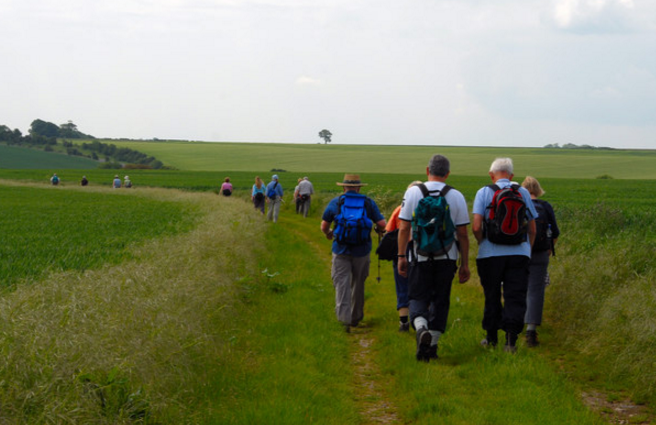
If you are not physically active, you have a greater chance of developing colorectal cancer. Being more active might help lower your risk.

Certain types of diets

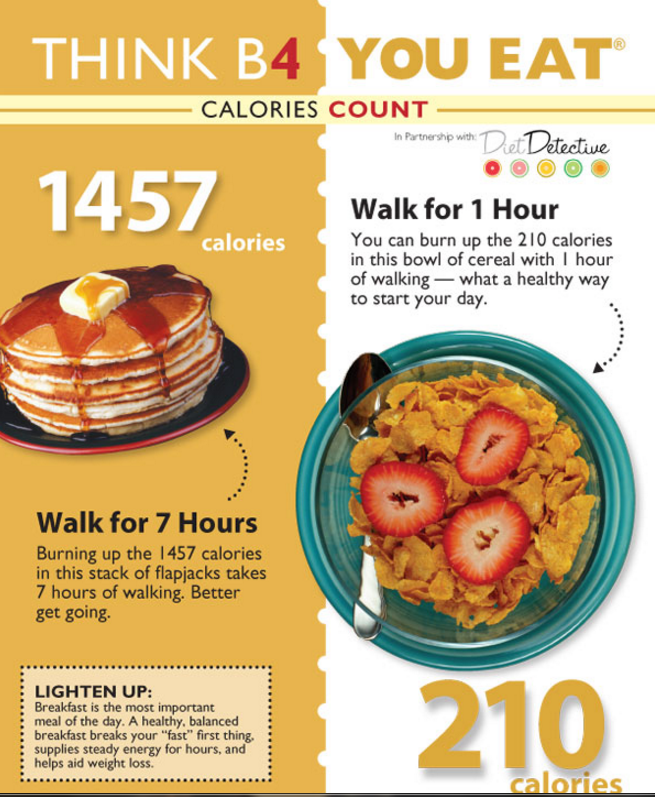
A diet that is high in red meats (such as beef, pork, lamb, or liver) and processed meats (such as hot dogs and some luncheon meats) can raise your colorectal cancer risk.

Cooking meats at very high temperatures (frying, broiling, or grilling) creates chemicals that might raise your cancer risk, but it’s not clear how much this might increase your colorectal cancer risk.

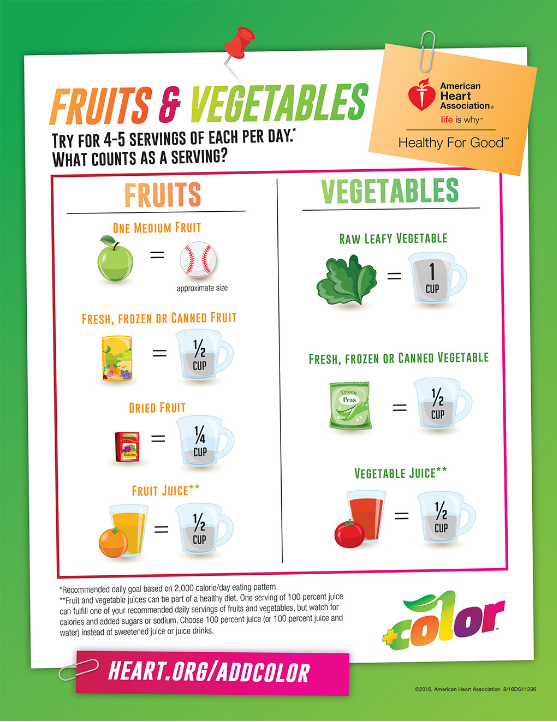
Diets high in vegetables and fruits, and whole grain fibers have been linked with a lower risk of colorectal cancer, but fiber supplements have not been shown to help.

It’s not clear if other dietary components (for example, certain types of fats) affect colorectal cancer risk.

Smoking

People who have smoked for a long time are more likely than non-smokers to develop and die from colorectal cancer. Smoking is a well-known cause of lung cancer, but it is also linked to other cancers, like colorectal cancer. https://www.cancer.org/healthy/stay-away-from-tobacco/guide-quitting-smoking.html

Heavy alcohol use

Colorectal cancer has been linked to heavy alcohol use. Limiting alcohol use to no more than 2 drinks a day for men and 1 drink a day for women could have many health benefits, including a lower risk of colorectal cancer.

https://www.cancer.org/cancer/colon-rectal-cancer/causes-risks-prevention/risk-factors.html

March – Colorectal Cancer Awareness Month

Image result for colorectal cancer awareness

What Is Colorectal Cancer?

Colorectal cancer is a cancer that starts in the colon or the rectum. These cancers can also be named colon cancer or rectal cancer, depending on where they start. Colon cancer and rectal cancer are often grouped together because they have many features in common.

Cancer starts when cells in the body begin to grow out of control. Cells in nearly any part of the body can become cancer, and can spread to other areas of the body. To learn more about how cancers start and spread, see What Is Cancer?

How does colorectal cancer start?

Most colorectal cancers begin as a growth called a polyp on the inner lining of the colon or rectum Some types of polyps can change into cancer over the course of several years, but not all polyps become cancer. The chance of changing into a cancer depends on the kind of polyp. The 2 main types of polyps are:

  • Adenomatous polyps (adenomas): These polyps sometimes change into cancer. Because of this, adenomas are called a pre-cancerous condition.
  • Hyperplastic polyps and inflammatory polyps: These polyps are more common, but in general they are not pre-cancerous.

Other polyp characteristics that can increase the chances a polyp may contain cancer or increase someone’s risk of developing colorectal cancer besides the type include the size (larger than 1cm), the number found (more than two), and if dysplasia is seen in the polyp after it is removed.

Dysplasia, another pre-cancerous condition, is an area in a polyp or in the lining of the colon or rectum where the cells look abnormal (but not like true cancer cells).

For more detailed information on the types of polyps and conditions that can lead to colorectal cancer, see Understanding Your Pathology Report: Colon Polyps.

If cancer forms in a polyp, it can eventually begin to grow into the wall of the colon or rectum.

The wall of the colon and rectum is made up of several layers. Colorectal cancer starts in the innermost layer (the mucosa) and can grow outward through some or all of the other layers. When cancer cells are in the wall, they can then grow into blood vessels or lymph vessels (tiny channels that carry away waste and fluid). From there, they can travel to nearby lymph nodes or to distant parts of the body.

The stage (extent of spread) of a colorectal cancer depends on how deeply it grows into the wall and if it has spread outside the colon or rectum. For more information on staging, see Colorectal Cancer Stages.

https://www.cancer.org/cancer/colon-rectal-cancer/about/what-is-colorectal-cancer.html

Meetup Opportunities for Wellness Activities

About Meetup

Meetup brings people together in thousands of cities to do more of what they want to do in life. It is organized around one simple idea: when we get together and do the things that matter to us, we’re at our best. And that’s what Meetup does. It brings people together to do, explore, teach and learn the things that help them come alive.

There are Indianapolis Meetup groups for hiking, cycling, ping ponging, golfing, dancing, and lots of other choices.  Some groups are more formal than others.  Meetup is a resource for organizing and bringing together everyone of like interests.  Maybe you’ll even have your own ideas for a Meetup!

https://www.meetup.com/cities/us/in/indianapolis/


When Change is Hard

A year ago I changed states, jobs, homes, and moved from family to other family. Change can be the best thing for us and the hardest thing at the same time. I found the information below helpful and encouraging regarding the changes we may have to make in our life in pursuit of wellness.  

When Change is Hard

Making a change is not easy. In fact, 60 percent of people who achieve their New Year’s resolutions flop once-or more-before succeeding.

But you can pump up your healthy habits. And the more you stick with a new behavior, the easier it gets. That’s because repetition actually can build pathways in your brain.

If you’re having trouble, consider these tools for sticking with change.

Boost Your Motivation

Everyone has times when their motivation sags. Here are some tips to boost yours:

  • Remember your why. What made you try this wellness tool? Was it because you wanted to be more focused at work? Less grouchy to your spouse? Less winded at the gym? Or maybe it was just because you deserve to feel good. Whatever your reasons, keep a list to inspire you.
  • Make a change. If you’ve tried your chosen tool for a while and aren’t feeling better, try another. Remember, not all of the 10 Tools are right for everyone. Also consider shifting the way you use a tool to avoid boredom. For example, if you’ve chosen to help others, instead of checking on your neighbor this week, try donating to charity.
  • Get support. If appropriate, join a group or work with a friend. You also can ask those around you to support your change. If you’re trying to stay positive, you might ask your kids to tell you something great about their day.
  • Congratulate yourself. Success breeds success, so acknowledge yourself for any steps forward. Little rewards sometimes also work well.

Resisting Temptation

At times, you may find yourself on the verge of returning to unhealthy behaviors. Tips for those times include:

  • Be prepared. Some temptations can be avoided altogether with a little planning. You can pack healthy snacks to resist junk food. You can record your late-night TV show to avoid losing sleep.
  • Wait it out. If you’re feeling an unhealthy urge, remind yourself that it will pass. Most urges fade pretty quickly. If yours is stubborn, try distracting yourself with something fun.
  • Ask yourself about yourself. What will make you feel better about yourself later, sticking with your wellness change or dropping it?

Dealing with Setbacks

Failing is not such a big problem. How you deal with failure is often what really matters.

  • Don’t give up. When you break your plan, try not to assume all is lost. It would be a shame to give up entirely just because you slipped for a few days-or even a few weeks.
  • Don’t overly criticize yourself. Scolding makes you feel bad about yourself, and bad does not promote success. Instead, imagine what you’d say to a friend if she had failed.
  • Think about what went wrong. Then start looking for solutions. Were you too tired at the end of the day? Try moving your activity to the morning instead. Did you feel like you didn’t have time? You might switch to one of the wellness tools that take almost no time, like staying positive. Did you put other people’s needs before yours too often? Remember that if you don’t take care of yourself, you may wind up too burnt out to help anyone else.

http://www.mentalhealthamerica.net/when-change-hard