
Written by: Valeria Sokolova | Spring 2024
ISEP Study in Tokyo – Japanese Language & International Studies

At the time of writing, I have only one day left of the semester. Or, rather, it is the last day of the semester; like with the majority of my essays and reports, inspiration reveals itself in the early hours of the morning.
I originally had several different ideas, but after perhaps one of the most difficult episodes of my life (a stressful breakup, an intense health scare, some credit transfer drama, and the burden that is the state of American politics), I felt this post would be better used as a reflection piece. Although I confess much of my reflections are discoveries about myself and less so about my host country or the semester abroad overall.
Ultimately, my objective was to challenge myself. Profoundly. Would I survive by myself in a foreign country? Specifically, a country which is so culturally and socially diverged from my own? Additionally, would the sheer distance drive me mad?
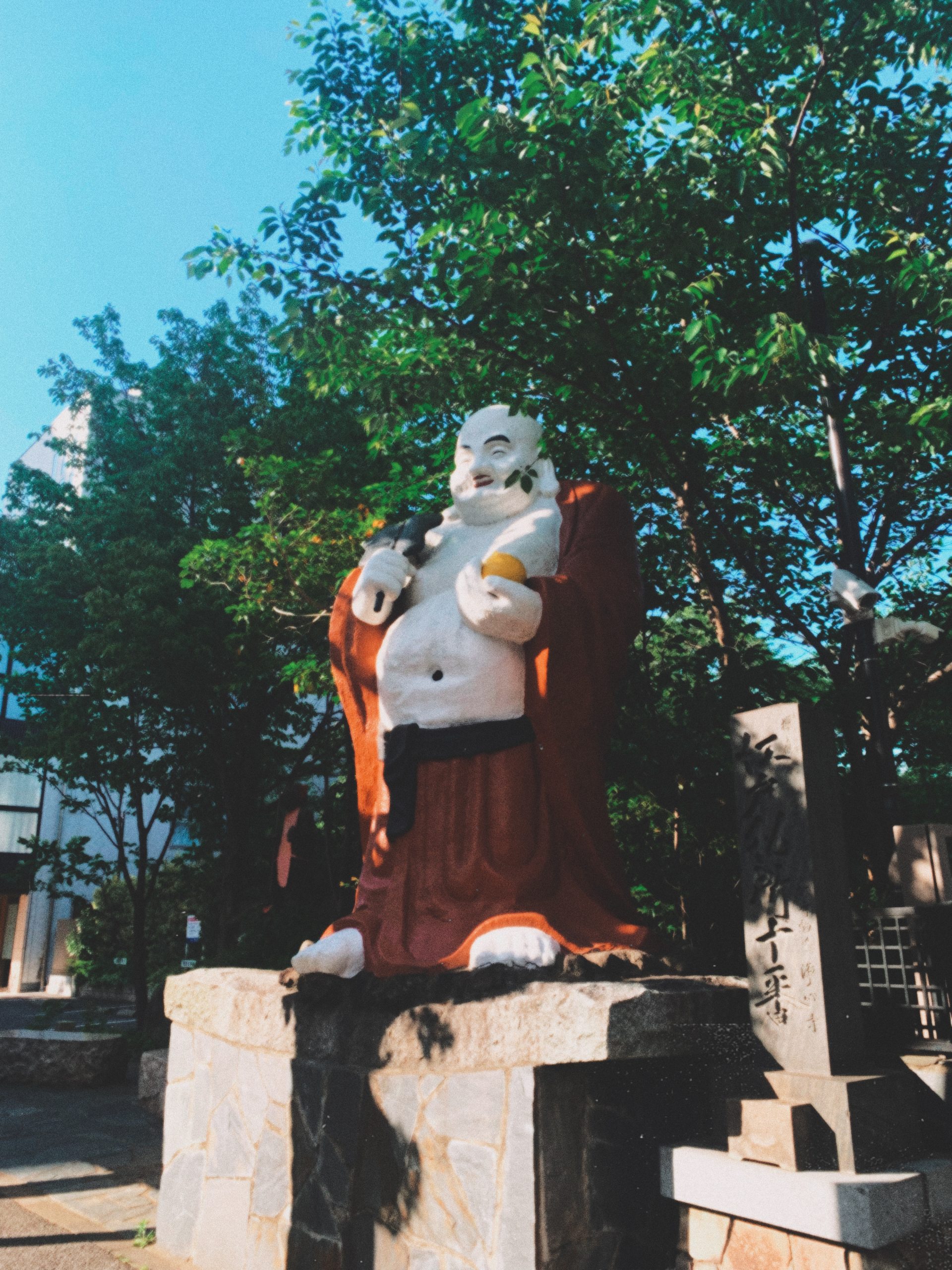
Did I have the capacity to adapt?
Short answer is yes. This post is proof of it. Naturally I had other academic and personal goals for the semester (the majority of which I comfortably feel I accomplished), but I noticed in the middle of the semester that I had this all-consuming dread or disappointment festering in the pits of my entity. I couldn’t diagnose its causes at first (or even its very nature), but I came to understand that this feeling was unfulfillment and its causes stemmed from my failure to reconcile my expectations with reality.
Reader, I confess that I came to Japan with no expectations. It was restricted to society and culture, however, and I realized later that I expected university to operate much in the same way Butler did. Though I’m not entirely sure why. I went from Socratic seminars and research projects and personal essays to Powerpoint Presentations (read word-for-word off the screen) and a single, uniform, inflexible final exam to measure what I took away from my various courses.
I forfeited my creative liberty and the intellectual challenge I enjoyed and evidently took for granted at Butler.
(Tokyo also brought me back to high school, because it operates on a block schedule with passing periods and class-start and -end bells. And the cafeterias unearthed an ancient panic from that era.)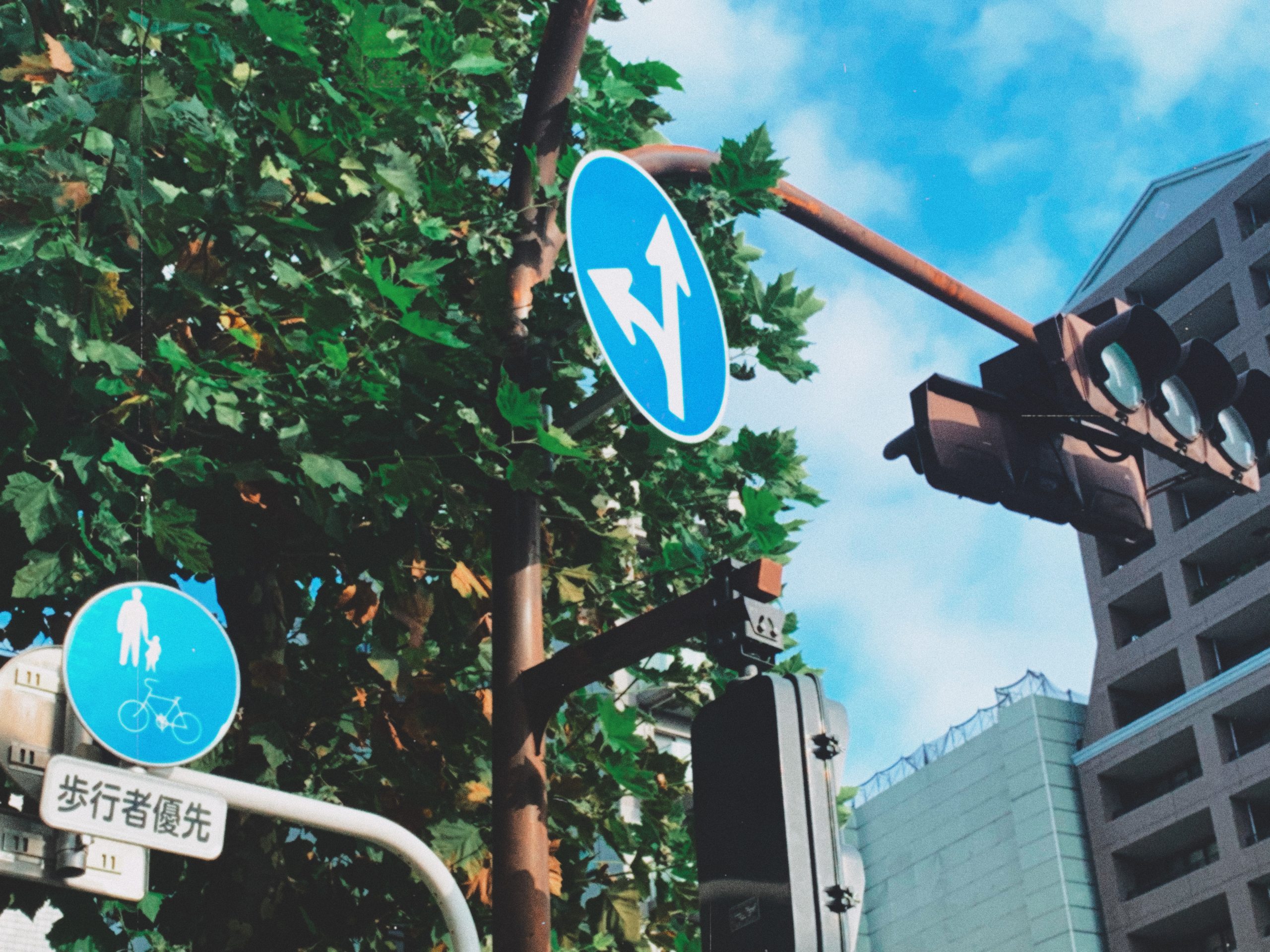
“Taken for granted” is the theme of this post, because as soon as I came to understand I felt unfulfilled I started to notice a multitude of other things I forfeited when coming to Japan, things I accepted as constants when I was in the United States. The biggest is community.
As an ex-quiet kid, my social groups are years in the making and a major source of how I perceive myself. My friends, my family, my coworkers, my church, my compatriots, so on and so forth — these groups reinforce my purpose in existence. That is, they remind me that I have a role and I have a place.
Obviously the digital age and its innovations allow me to maintain some sort of connection even when I cannot physically be with my groups, but in my case the reality leaves much to be desired. I always called my friends back home, but I also had the advantage of being able to drive to them and see them, physically. I always texted my coworkers back home, but I also had the privilege of being able to work alongside them, physically. I always texted my brothers back home, but I also had the luxury of living next door to them. These mundane things hold so much fondness now, when before they were just another fact-of-life.
But even then, they weren’t.
Most notably was my visits to the Orthodox cathedral in Chiyoda. I went once for divine liturgy (which I left early, due to fatigue) and another time to buy icons of Saint Nicholas of Japan. Visiting Nikolai-do was incredibly bittersweet, as it is one of the few places in Japan where I don’t feel like an outsider. The bitterness flavors this experience because of the incongruence of what I experience at home (and therein what I recognize as “the divine liturgy”) versus what I experienced at the cathedral.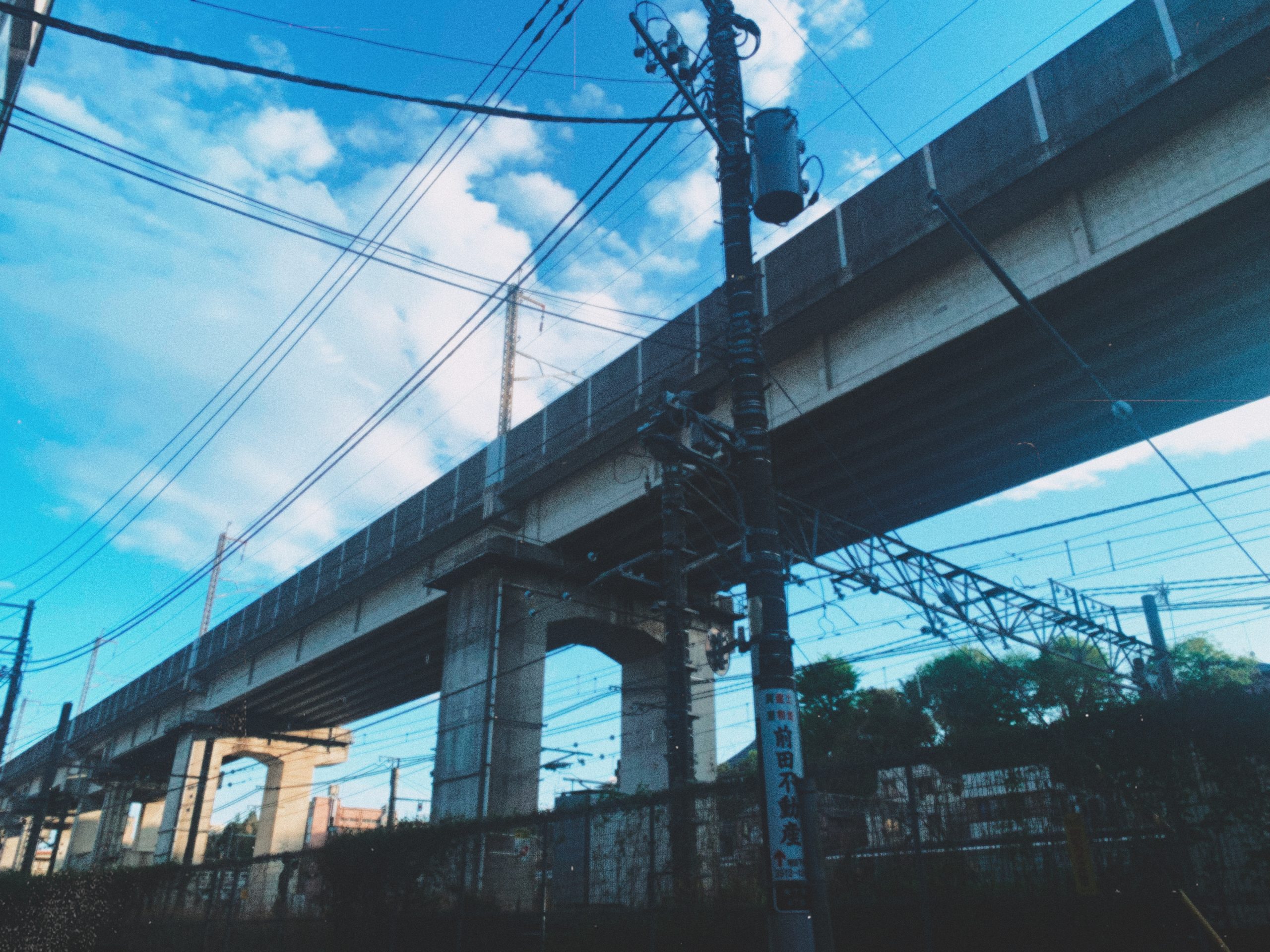
So, even when I felt like I was in familiar territory, I was still an alien. It never occurred to me that serving and singing in Church Slavonic as opposed to Classical Japanese was something I should value, but again. Something I took as a fact-of-life when it was anything but.
This semester was a five-month lesson in empathy and gratitude. As the saying goes, “you never know what you’ve got until it’s gone” — it’s painfully true. This isn’t to say that I hated being in Japan, because the opposite is true. This has been a childhood dream come true, and I have this opportunity thanks to the assistance and sacrifices of my family and community.
More than anything, this experience motivates me to live differently. To never take things for granted. To never accept things as facts-of-life. To acknowledge the ephemeral nature of human existence, and in doing so live with greater courage.
Have courage, friends.