Author Archives: argerlac
Shiftwork Strategies
 Manage Stress: Whether it’s deep breathing, exercise, practicing a hobby or spending a few quiet minutes alone, choose the stress-busting technique that works for you and do it every day. Don’t wait until you feel the effects of stress.
Learn about Depression: Know the signs to watch for and remember that clinical depression is an illness that needs treatment. Talk with your health care provider if depressive symptoms have been interfering with your daily life for more than 2 weeks.
Talk about Prescriptions: Some medications can cause drowsiness or sleep problems or must be taken at the same time every day. Talk with your health care provider or pharmacist about your medications and how they might affect you as a shift worker.
Avoid Sedatives and Stimulants: In general, medications should not be considered a way to adapt to shiftwork because they can be addictive, have adverse health effects and generally don’t improve sleep or performance. Limit caffeine use and avoid it close to bedtime: switch to water or herbal tea.
Tap the Power of Optimism: A healthy outlook steps up your “shiftwork tolerance,” or how well you cope with the changes and challenges of shiftwork. Surround yourself with positive people, make time to do things you enjoy, and concentrate on what you have to be grateful for.
Your good health is the finest asset you have, both on and off the job. Shiftwork does not have to lead to health problems. Take control by practicing prevention.
https://www.personalbest.com/Wellness-eLibrary/View.aspx
Move like an Ice Skater
Health Benefits of Dogs and Cats
Numerous studies have linked dog ownership to weight loss:
- One year-long study found that walking an overweight dog helped both the animals and their owners lose weight. Researchers found that the dogs provided support in similar ways to a human exercise buddy, but with greater consistency and without any negative influence.
- Public housing residents who walked therapy dogs for up to 20 minutes five days a week lost an average of 14.4 pounds in a year, without changing their diets.
- A third study found that people who got a dog walked 30 minutes more a week than they did before.
Source: Harvard Health Publications

For additional information on the health benefits of dogs (and cats) check:
http://www.helpguide.org/articles/emotional-health/the-health-benefits-of-pets.htm
September is Cholesterol Education Month

 Keeping your LDL (bad) cholesterol low is primary to heart health. One part of controlling LDL is boosting your HDL (good) cholesterol, especially if you’re at risk for heart attack or stroke.
Basic good health is key to better HDL. Adopting positive lifestyle habits can also help lower LDL cholesterol and lead to other healthful effects. The top recommendations:
1. Get active. Moderate- to vigorous-intensity exercise is best for boosting HDL. Aim for 150 minutes per week of exercise, preferably activity that raises your heart rate. Note: Get your health care provider’s approval before significantly changing your exercise routine.
2. Lose excess weight. Losing 5% to 10% of your current weight can raise HDL, along with reducing blood pressure and blood sugar.
 3. Avoid trans fats. Some manufacturers have eliminated trans fats, but they remain in some baked goods, fried foods and crackers — so check Nutrition Facts panels. Removing trans fats from your diet can improve HDL and LDL levels. Choose better fats found in nuts, olive oil and avocados instead.
4. Reduce refined carbohydrates. Switch to whole grains, such as oats, quinoa and brown rice, instead of white flour and white rice. Eat less sugar from baked goods, candy and ice cream.

5. Limit sugary and highly processed foods; replace with fruits, vegetables and protein low in saturated fat.
6. Stop smoking. Smoking lowers your HDL and raises your LDL.
SCREENING: Have your health care provider determine any HDL or LDL risks and the best approach to improving your numbers. In some cases, statin medicine may be beneficial.
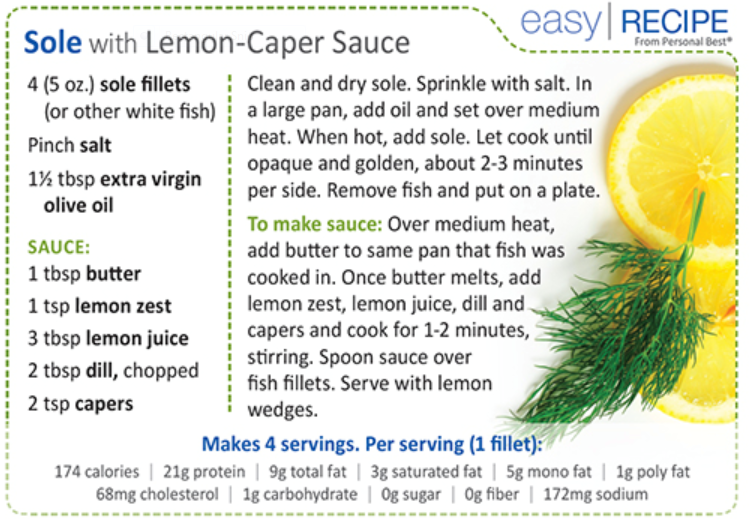
Something a Little “Fishy”
Four Fall Foods For Your Family

Fall means new classes, new activities and sports, new schedules and a shift to colder weather foods. Regardless of age, having the right fuel — even better if it comes from produce that’s at its peak — is key to helping kids do their best.
Pumpkin
Is anything more fall-like than a pumpkin? These famously orange winter squashes are chock-full of vitamin A and deliver 3 grams of fiber per ½-cup serving, plus potassium. And don’t forget about roasting the seeds! Pumpkin seeds are a good source of several nutrients, including zinc, which is essential for many body processes including immune function.Try pumpkin puree mixed into mac-and-cheese or with hummus for a seasonal spread. Looking for more options? Lisa Brown, MS, RDN, CDN, a registered dietitian in New York City, suggests adding it to pancake batter, oatmeal, smoothies or your kid’s favorite chili.
Oats
Heart-healthy oats are loaded with fiber for slow-burning energy. Oats also provide vitamin B6 and other nutrients that are important for growth and development and overall health.
“A steaming bowl of oatmeal is the perfect breakfast on a cold day,” Brown says. “The soluble fiber will help control blood sugar levels and keep your kids full until lunchtime. Top their oatmeal with nuts or nut butters, and fruit for extra vitamins, minerals and antioxidants.” Or, replace the breadcrumbs in your favorite meatloaf recipe with oatmeal.
Apples
Apples pack a powerful nutrition punch. No wonder they sit on teachers’ desks and keep the doctor away. They are a good source vitamin C. Leave the skin on for added fiber.
Slice and sprinkle apple slices with cinnamon or pair with cheese or peanut butter for an easy snack. Don’t forget about dinner! Apples also taste great when stewed and served with savory foods such as roasted pork.
Brussels Sprouts
They may be small, but Brussels sprouts are part of the powerhouse cruciferous veggie family. In each 1 cup serving, they provide 4 grams of fiber, plus vitamins A, C and K. Brussels sprouts are also a source of calcium, folate, iron and zinc. They even have some protein.
You can cut whole Brussels sprouts into kid-friendly quarters and toss with sea salt and olive oil. Roast until crispy and you’ve got a tasty alternative to french fries. If your kids are skeptical, serve the sprouts mixed with roasted sweet potato or butternut squash cubes. You can also shred them (or buy them pre-shredded) and sauté lightly then toss into your kids’ favorite pasta or rice dish.
Exercise: Warm-up/Cool-Down
 It’s important to include warming up and cooling down in your exercise routine. Consider the benefits:
A proper warm-up (and stretch) can reduce stress on joints, and increase flexibility, muscle control, oxygen supply and calorie burn.
The cool-down allows for a gradual transition from exercise, which reduces light-headedness and injuries. It also adds protection from heart attacks.
Use these tips to warm up:
✓ Start your exercise slowly and increase your pace gradually.
✓ After you warm up (5 to 10 minutes), do some light stretching.
✓ Stretching examples: shoulder rolls, ankle rolls, arm circles, high knee marches, hip circles and squats without weights. Don’t bounce. Save static stretches for your cool-down.
✓ Breathe deeply by inhaling and exhaling using your diaphragm.
Use these tips to cool down:
✓ Walk for a few minutes, gradually slowing until your heart rate is below 120 beats per minute.
✓ Include stretching. Hold each stretch for 10 to 30 seconds. Make sure you don’t bounce and that the stretch is not painful.
✓ Try these static stretches: www.hss.edu/conditions_stretching-tips-athletes-dynamic-static.asp.
Note: Get your health care provider’s okay before significantly changing your exercise routine.
http://www.personalbest.com/PersonalBestHealthlines/ViewArticle.aspx?article=5097
Smart Texting Ergonomics
 Frequent typing and scrolling on a small device can cause pain in your thumbs, fingers, hands and wrists, and lead to repetitive stress injuries. Follow these ergonomic tips to protect yourself:
➺ Keep it short. Save longer messages for a phone call or an email you type using a full-sized keyboard.
➺ Use technology. Reduce keystrokes with talk-to-text functions, autocomplete, shortcuts, gesture-based typing and word prediction tools, many of which come standard on your phone or are available as a free or low-cost app.
➺ Sit or stand up straight. Avoid hunching over your device, bending or twisting your neck, and rounding your shoulders.
➺ Take frequent breaks to shake and stretch out your hands, wrists and fingers.
➺ Lighten your touch. Remember that touch screens and mobile keyboards are sensitive. Use a light touch to save strain on fingers and thumbs.
➺ Alternate your typing style. Switch between 1 finger and 2 thumbs when typing and scrolling to avoid overuse and repetitive motion.
➺ Stop if it hurts. If you experience pain in the base of your thumb that radiates into your wrist or up your arm, you may have repetitive stress strain or injury. Reduce your smartphone use, and see your health care provider if the problem persists.
http://www.personalbest.com/PersonalBestHealthlines/ViewArticle.aspx?article=5104
What do Financially Healthy People Do?
What do financially healthy people do? This is an important question to ask on your quest to becoming financially healthy. What better way to achieve a goal than to mimic those who have already walked the path before you? Identify someone in your orbit who has a smart financial life. How do you identify this person? Likely they have no consumer debt. They live in a home that doesn’t exceed their means. They save up for new projects and vacations. They don’t say “yes” to every purchase opportunity. Once you’ve identified this person, ask them to coffee. Pick their brain. Don’t be shy! Your financial life is on the line, and as a financially healthy person they will absolutely see the value in imparting their wisdom on you. This is a big challenge, but it’s one that will benefit you for years to come. Allow their mistakes to prevent yours.
From: Pete The Planner