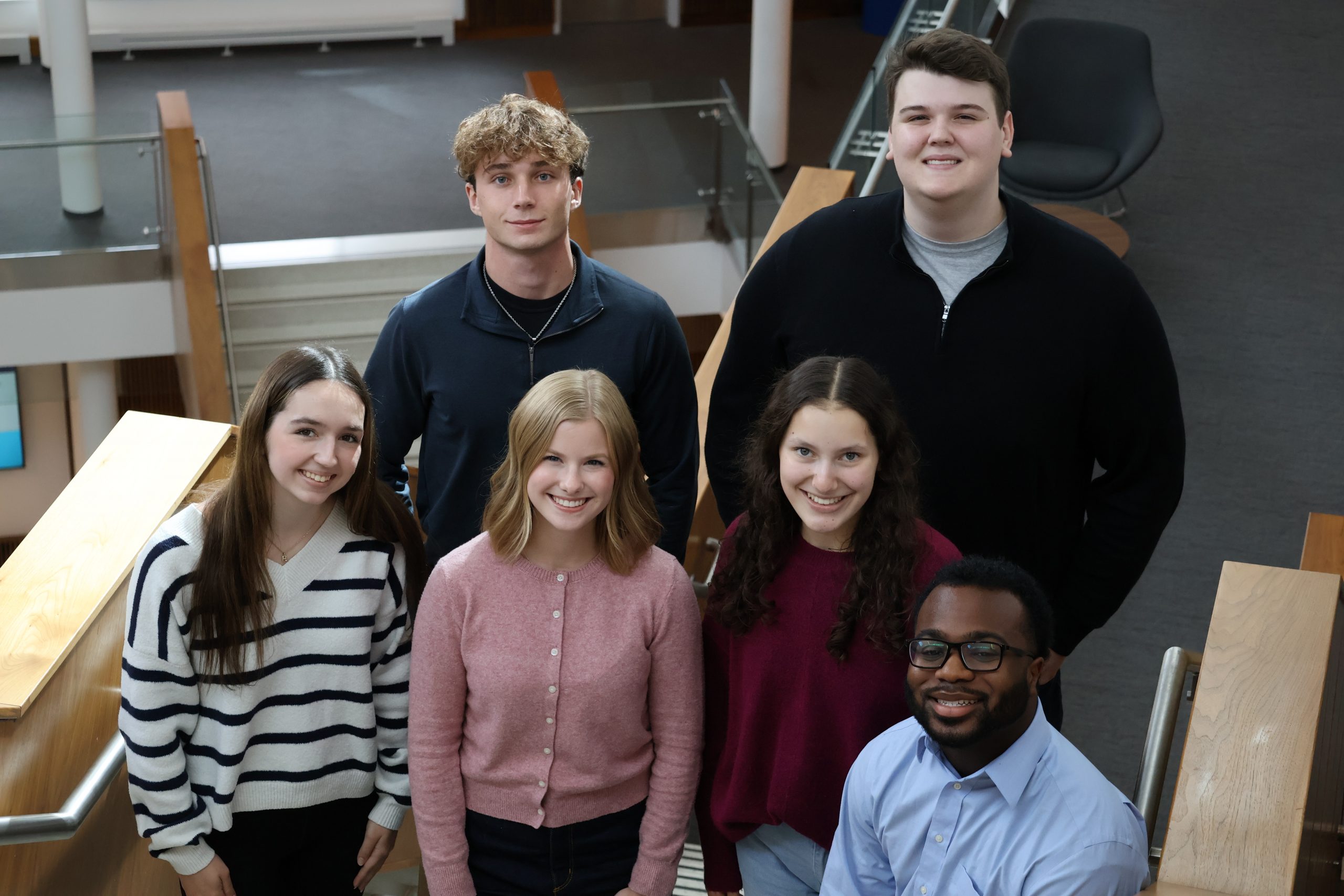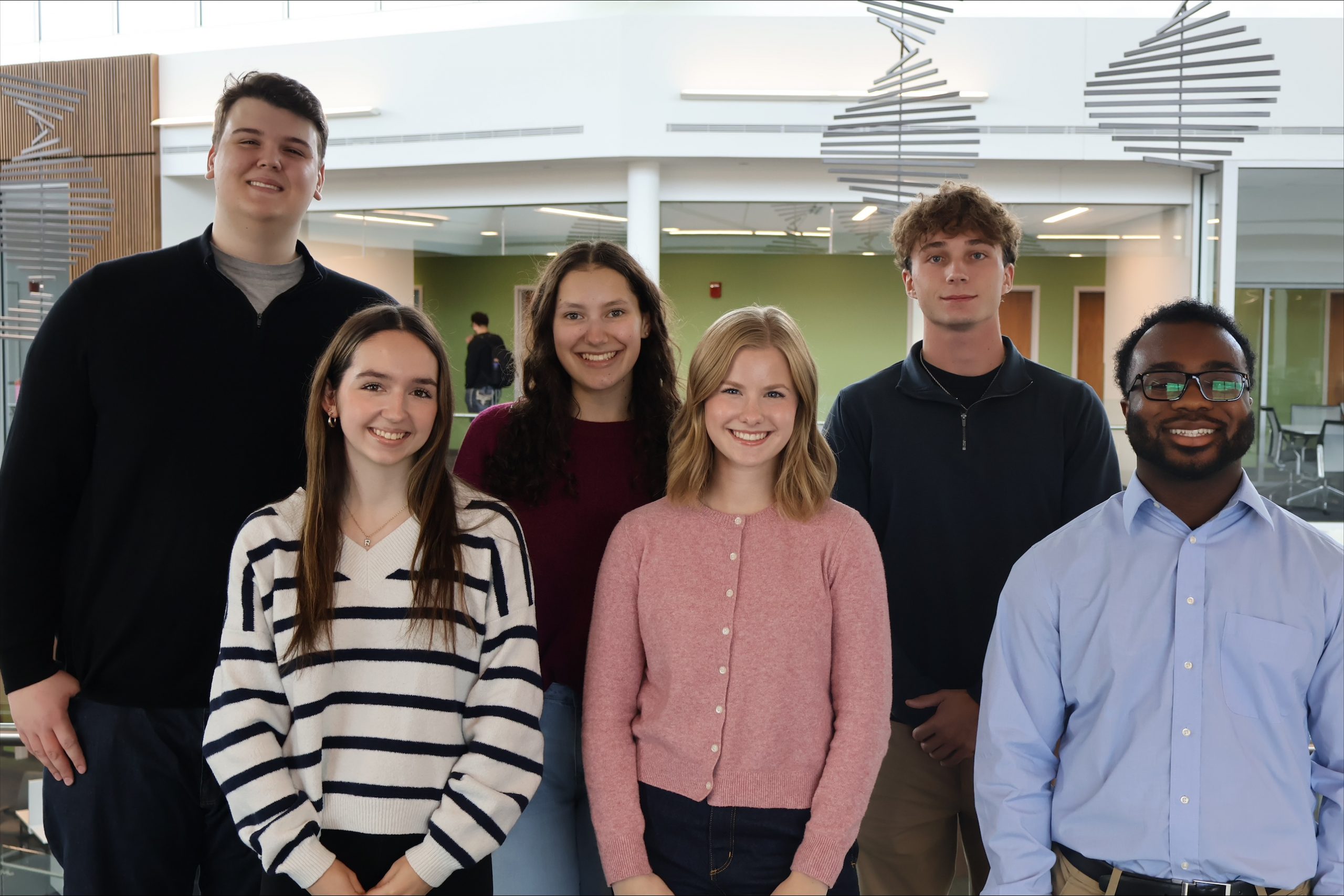
You walk into a classroom, and it hits you: by the end of the semester, you won’t have merely learned about business – you’ll have built one from scratch. That’s the challenge sophomore students face in the Lacy School of Business’ Real Business Experience (RBE), a program that doesn’t just teach entrepreneurship – it throws you into it.
Teams of six, randomly assigned across majors, take on CEO, CFO, and CMO roles. Over the next few months, they brainstorm ideas, prototype products, manage budgets, handle suppliers, and sell to real customers. Mistakes aren’t hypothetical; they’re costly. Every decision matters. Every setback teaches a lesson.
“It’s innovative in a way that Butler does it,” Brenda Geib-Swanson, Lecturer of Entrepreneurship & Innovation, said. “At the start, it’s a class. By the end, it’s a business. And the learning comes from what goes wrong. Teams will face chaos, they’ll hit walls – but those moments are the ones that teach them the most.”
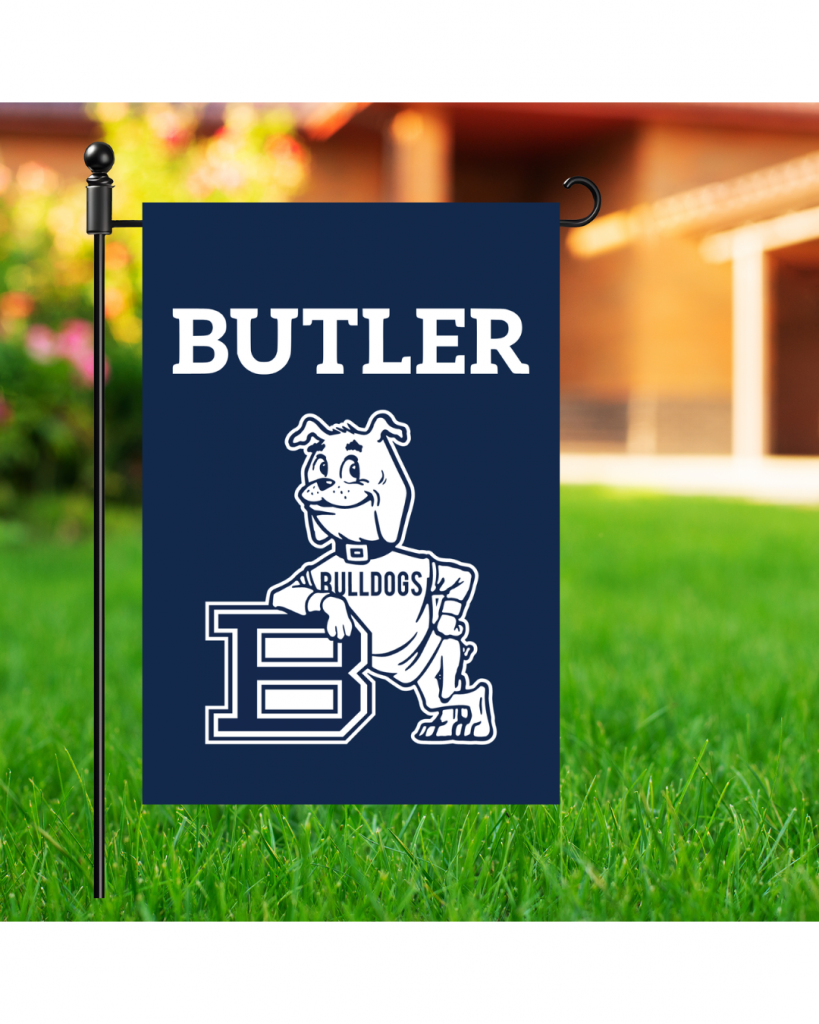
For Toni Jazvic, CEO of PawPrints Flags, those lessons came fast. Her team’s idea, a Butler-themed garden flag, seemed simple at first. But when their initial design failed, they had to scrap it completely and started over.
“Not knowing what you don’t know until you’re doing it, it looks so easy on paper,” the exploratory business and biology major said. “Every decision mattered. And the moment we sold our first flags? That’s when I really believed our idea could work.”
Emily Clark, CEO of Butler Cases & Co., faced her own real-world obstacles. Her team wanted to produce three different styles of Butler-branded eyeglass cases but quickly realized their budget couldn’t cover them all.
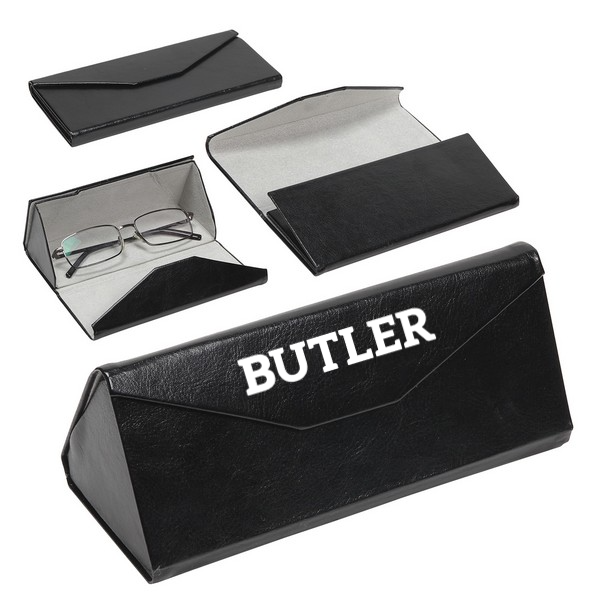
“We had to drop one style to stay within budget. It’s the kind of thing textbooks don’t prepare you for – you live it,” the accounting and marketing major said.
RBE isn’t just about making a product – it’s about experiencing every facet of running a business. Butler provides each team with a $1,000 loan to start their business, and students are responsible for repaying it, managing sales, and donating 10% of profits to a local charity. Faculty and professional mentors guide – but never take over – letting students make the big decisions and live with the consequences.
“I try really hard to give them bumpers at the beginning, but they’re wide. I want them to have room to make mistakes, pivot, and problem solve,” Professor Geib-Swanson said. “That’s where the growth comes from.”
By the end of the semester, these teams have more than a grade – they have businesses they’ve built themselves.
Toni reflects on what she’s learned about leadership: “The value of delegating to a good team – you can get more done. Seeing my team execute ideas I couldn’t have done alone – that’s been incredible.”
Emily echoes this: “I’ve learned I cannot do this on my own. It’s about finding your strengths and building around them.”
All of that effort culminates at the RBE Marketplace, where the Butler community can see and buy what these students have created. On Friday, Nov. 14, from 10:00 AM to 2:00 PM in the lobby of Dugan Hall, 28 student-run businesses will showcase their products in person. This is the chance to see that ingenuity, creativity, and perseverance in action. For those who can’t attend, online storefronts remain open until Sunday, Nov. 30.
Over the past year, RBE students have started 63 businesses, generating more than $59,000 in profits – $6,000 of which went straight to local charities. It’s proof that these are real companies, built and run by real students, with tangible impact on both the community and their own experience.
“At the end of the day, it’s not about the products they sell or the profits they make – it’s about giving students the tools to think critically, solve problems creatively, and lead with confidence,” Professor Geib-Swanson said. “They leave this class not just knowing business – they know themselves.”