At the Lacy School of Business, our students don’t just learn about data analytics – they apply it to real-world challenges that make a tangible impact on our community. This fall, a group of senior students partnered with the Indianapolis Department of Public Works (DPW) to contribute to Vision Zero, the city’s ambitious initiative to eliminate traffic fatalities and serious injuries by 2035.
Through this collaboration, students worked on multiple projects analyzing live traffic data to identify high-risk areas across Indianapolis. One focus area was Michigan Road, where a significant number of traffic-related fatalities have occurred. By examining detailed data – including traffic speeds, patterns, and street usage – students developed actionable recommendations for improving safety, such as where medians or other traffic-calming measures could be most effective.
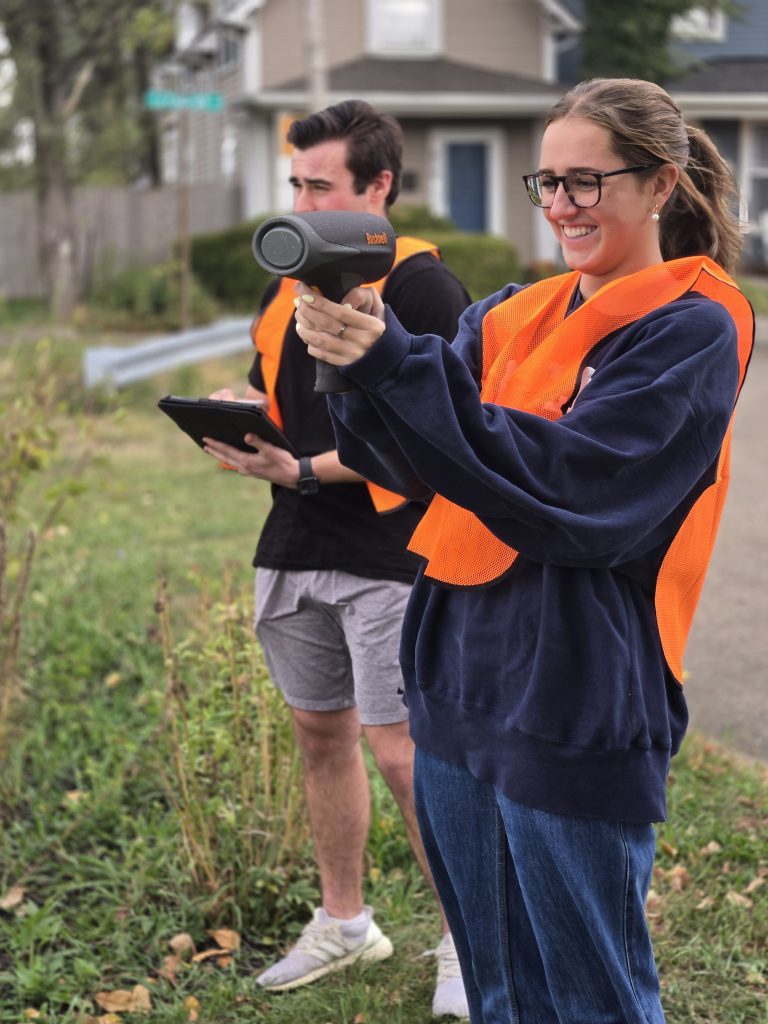
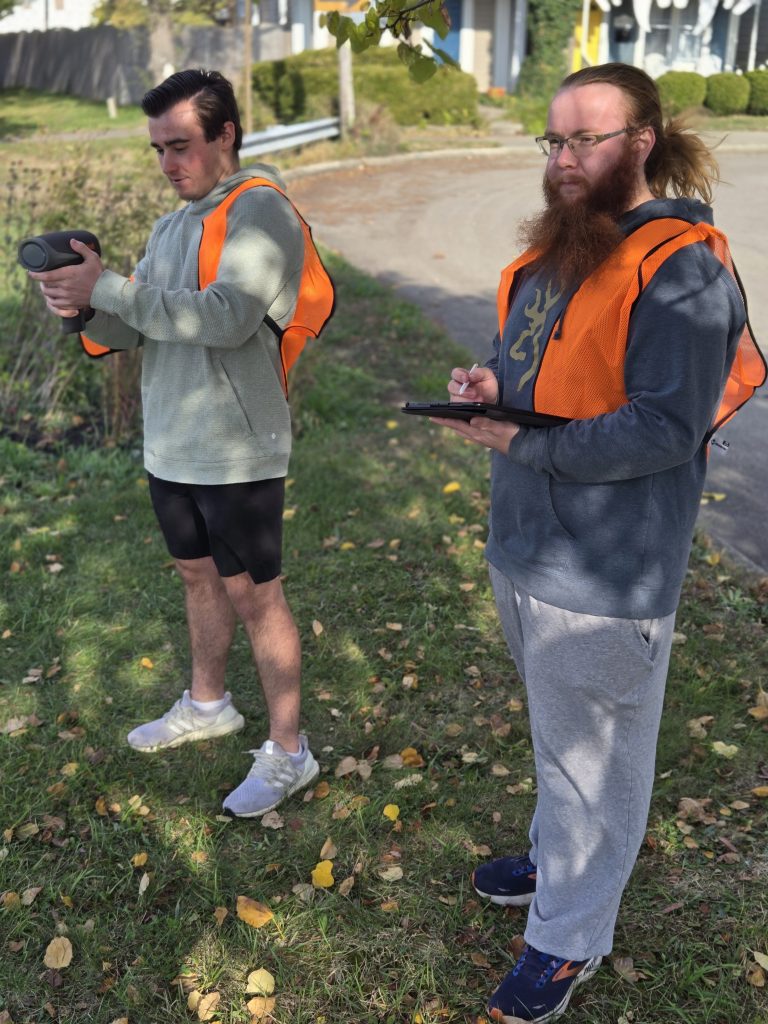
Another project brought students directly into the heart of the city, in Fountain Square, where they studied the effects of a “road diet” that reduced lanes to slow traffic and installed urban safety devices. Using speed guns and pre/post observations, students tracked vehicle speeds on roads with and without medians, giving them direct insight into how street design influences driver behavior.
“This project allowed students to see firsthand how data, design, and human behavior intersect on our streets,” Dr. Jason Davidson, assistant professor of management information systems, said. “They weren’t just analyzing numbers – they were observing, learning, and contributing to solutions that could save lives.”
For Natalie Bayes, a statistics major and data science minor, the opportunity to participate was both exciting and eye-opening. “I’ve never done research before, so when I heard about the Vision Zero partnership, I reached out to Dr. Davidson right away,” she said. “I was really excited to be onsite, collecting data and using speed guns – not just working with numbers on a spreadsheet.”
The New Jersey native was particularly impacted by the hands-on nature of the work. “Working with the Department of Public Works gave me a perspective on how the city operates,” she explained. “I got to work closely with the traffic signal engineer, and it was fascinating to conceptualize what goes into traffic planning. There are things you don’t think about, and it was fun to contribute to solving real problems.”
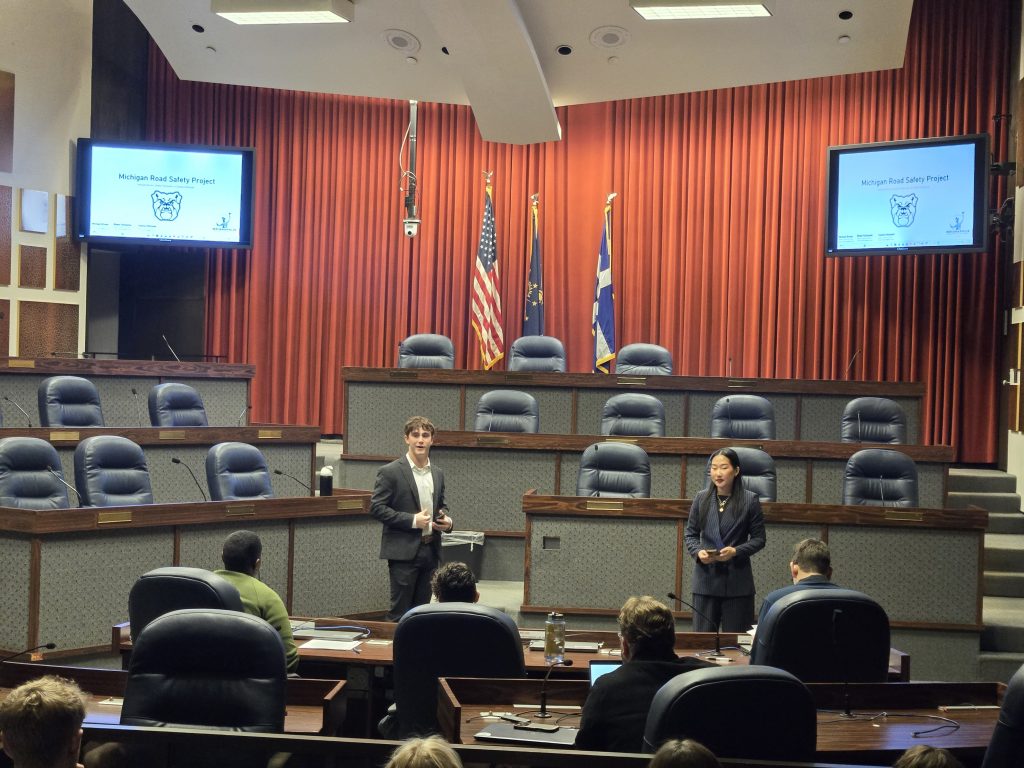
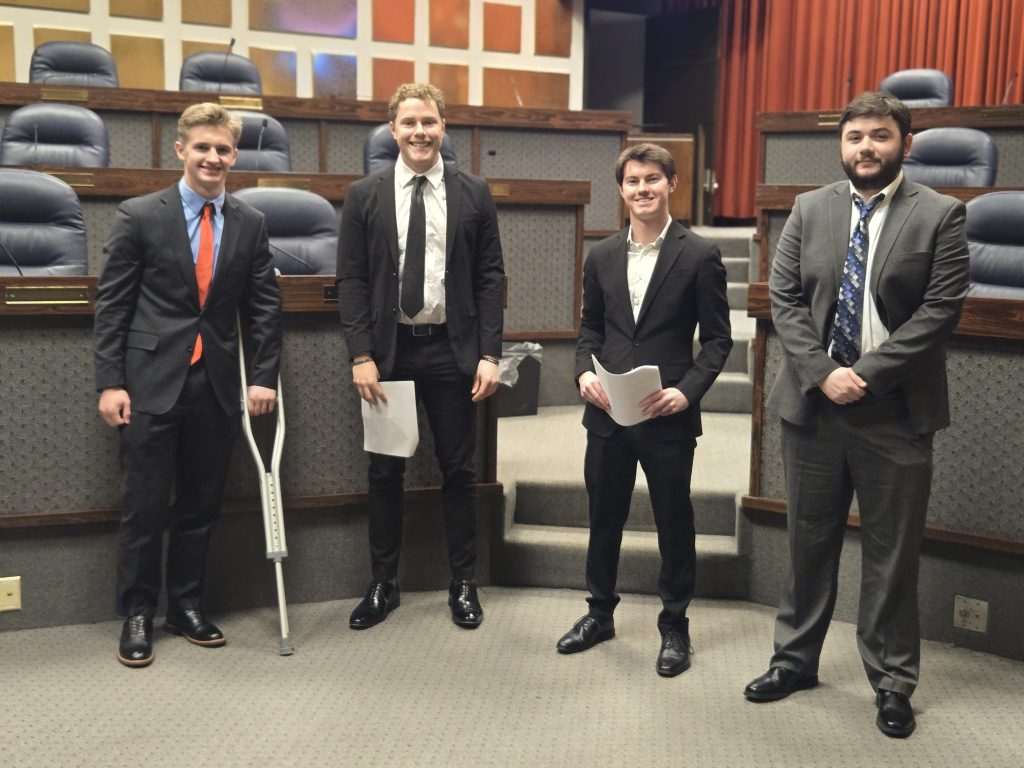
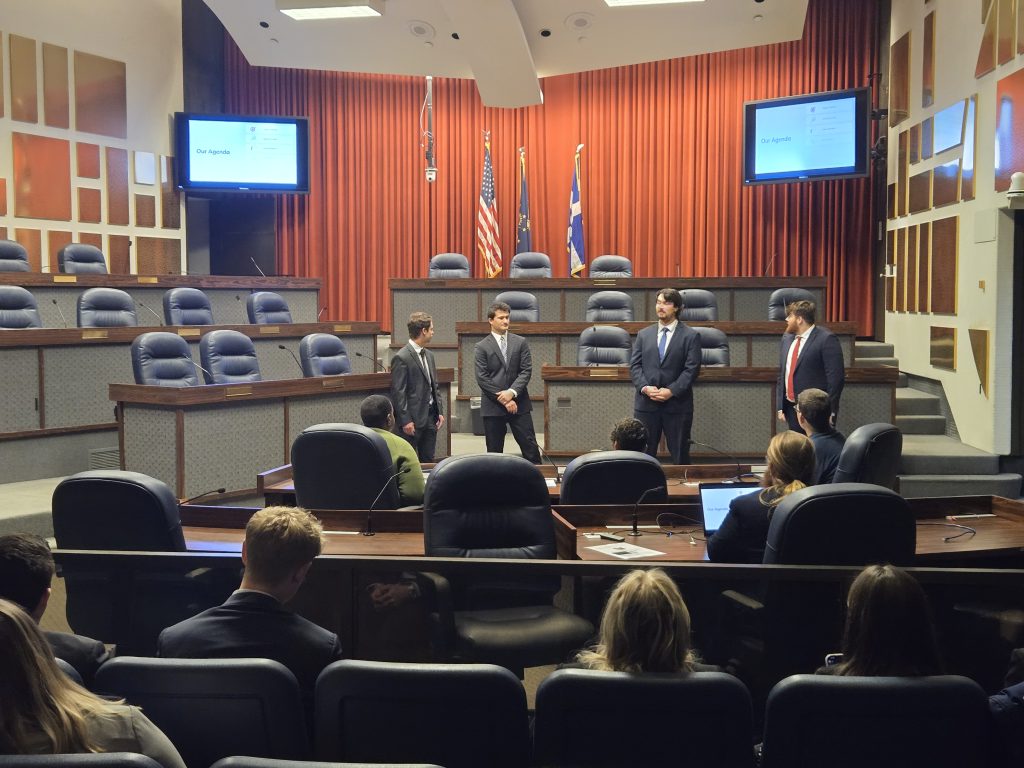
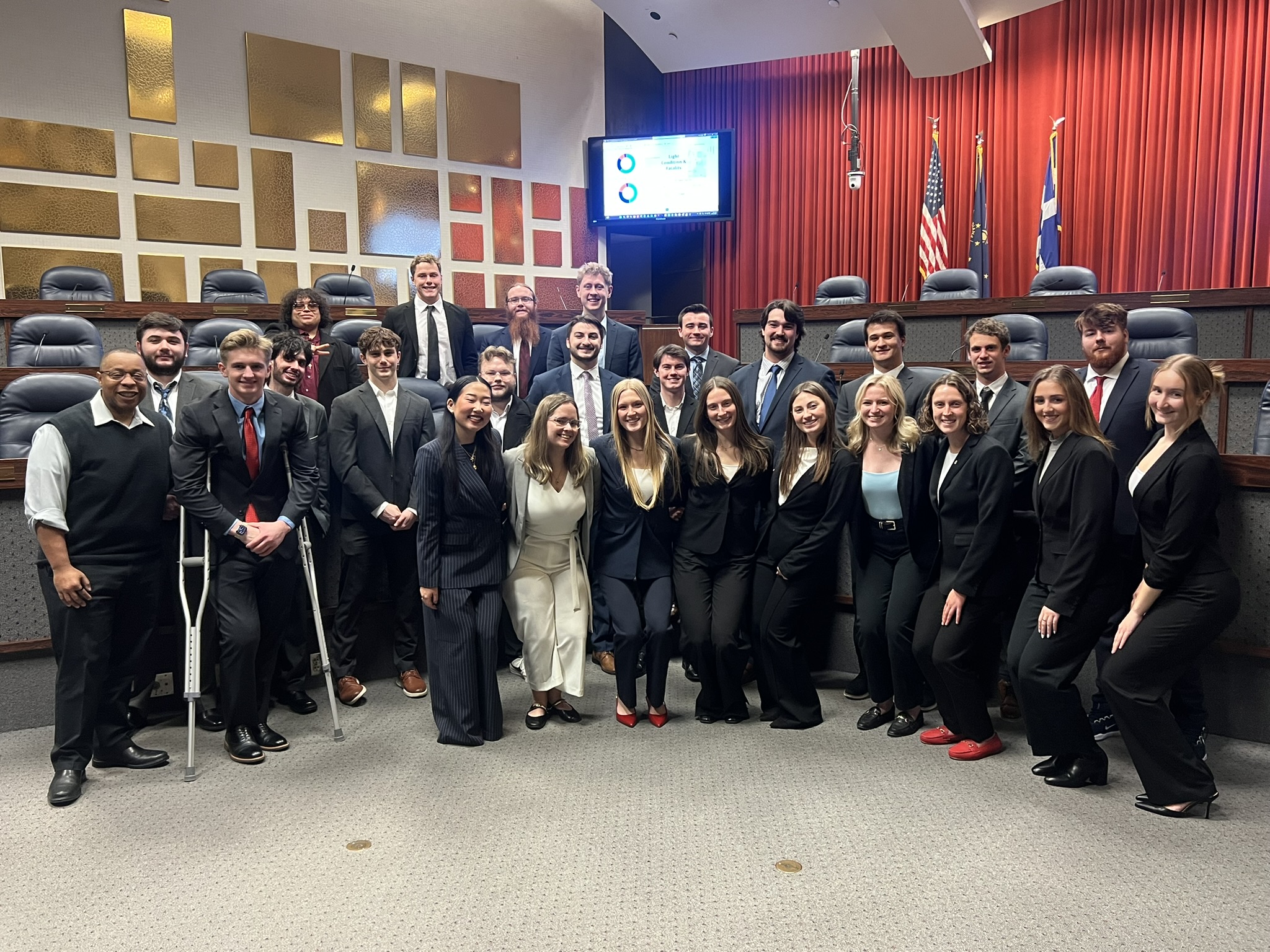
Students presented their findings and recommendations at the City-County Building in early December, creating dashboards and actionable insights that directly inform the DPW’s ongoing safety initiatives.
Vision Zero reflects Indianapolis’ commitment to creating streets that are safe, equitable, and accessible for everyone – whether walking, biking, driving, or using public transit. By partnering with local government on these initiatives, LSB students are not only learning critical analytical and research skills – they are actively helping shape a safer, smarter city.
“Hands-on learning is so important,” Natalie added. “If you stay in the classroom, you lose sight of the ‘why.’ Applying what you learn to real-world situations is exactly what you’ll do in every career.”