Blake Moskal and Laura Tonner were both named as two of Butler’s 2015-2016 Top 100 Most Outstanding Students. Take a moment to congratulate them when you have the chance!
Author: hzimbelm
-
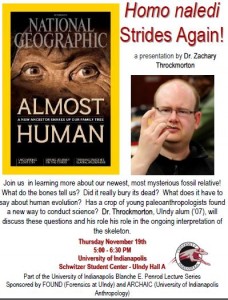
Homo naledi Strides Again! ~ STES Co-Curricular
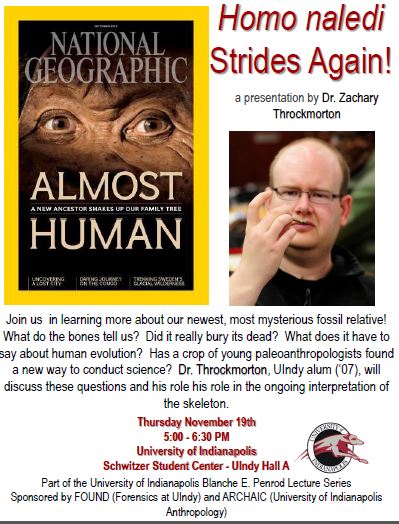
Homo naledi Strides Again!
A presentation by Dr. Zachary Throckmorton
Thursday, November 19th
5:00 – 6:30 PM
University of Indianapolis
Schwitzer Student Center -UIndy Hall A
-
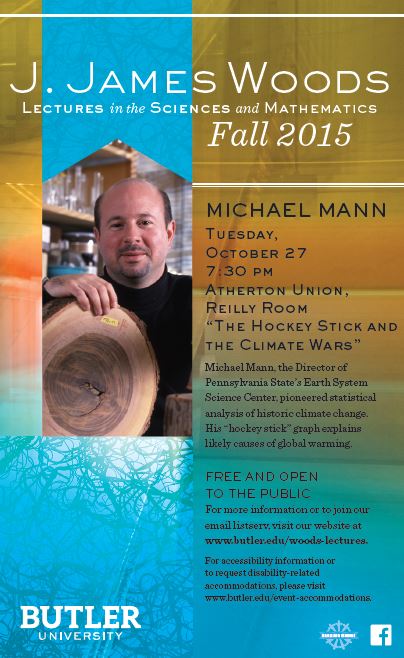
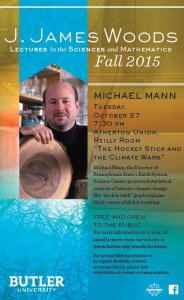
Michael Mann ~ The Hockey Stick and the Climate Wars ~ Co-Curricular & BCR Event, October 27th, 7:30PM
Michael Mann
The Hockey Stick and the Climate Wars
Tuesday, October 27, 2015 – 7:30 p.m., Reilly Room
The ongoing assault on climate science in the United States has never been more aggressive, more blatant, or more widely publicized than in the case of the Hockey Stick graph–a clear and compelling visual presentation of scientific data, put together by Michael E. Mann and his colleagues, demonstrating that global temperatures have risen in conjunction with the increase in industrialization and the use of fossil fuels. Here was an easy-to-understand graph that, in a glance, posed a threat to major corporate energy interests and those who do their political bidding. The stakes were simply too high to ignore the Hockey Stick–and so began a relentless attack on a body of science and on the investigators whose work formed its scientific basis.
-
Conservation Science at the IMA – STES Co-Curricular
Butler Brown Bag Series for Faculty Research, Scholarship and Creative Work: The Art of Chemistry – Conservation Science at the IMA
Presentation by Mike Samide, Chemistry
Tuesday, October 20, noon – 1 p.m., AU111 (UClub)
Students, staff and faculty are all welcome. No RSVP required.
Did you know that in a back corner of the Indianapolis Museum of Art sits a multi-million dollar conservation science laboratory? Employing chemical and instrumental techniques for the study of art and related materials is essential for proper care, storage, and display of objects of cultural heritage. In addition, chemical analysis can often support curatorial efforts to better understand artists and their work. This presentation will include reports on various projects related to chemistry and art that were completed during Mike’s recent sabbatical at the IMA.
Visit legacy.butler.edu/faculty-development/brown-bag-series for information on upcoming presentations and ADA access.
-
Spring 2016 Course Lists
Spring 2016 courses for both Environmental Studies and Science, Technology and Society can be found in the links below. The current lists of courses can also be found using Class Search in My.Butler. Please contact your advisor with any questions.
ENV Spring 2016 COURSES – Poster
STS Spring 2016 COURSES – Poster
-
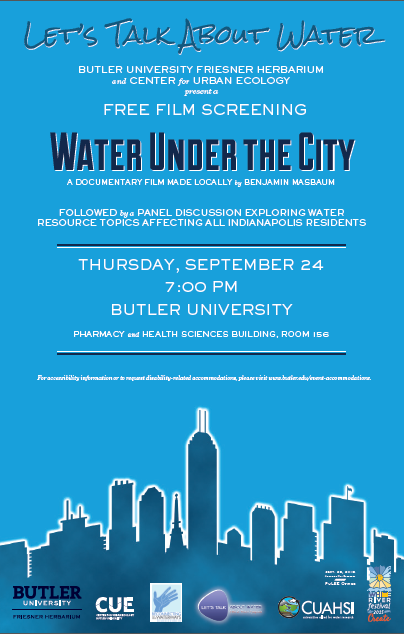
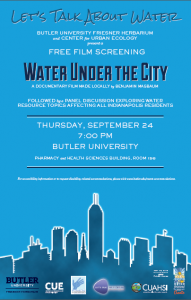
Let’s Talk About Water – STES Co-Curricular
The “Let’s Talk About Water” event is scheduled for Thursday, September 24th at 7PM in PB 156. This event will count as an STES co-curricular and refreshments will be served! Click into the image below for additional information.
-
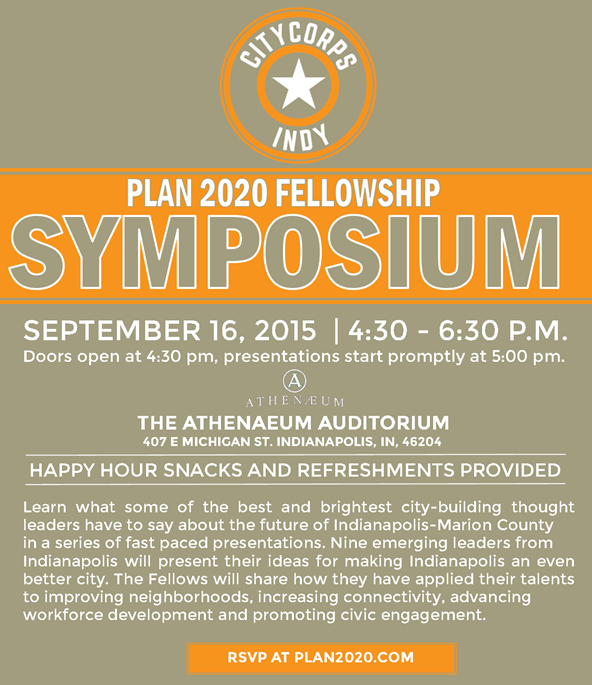
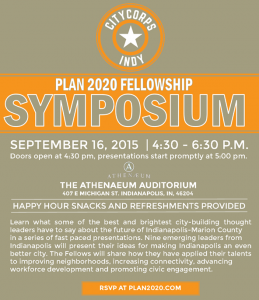
Plan 2020 Fellowship Symposium – STES Co-Curricular
The Plan 2020 Fellowship Symposium is scheduled for September 16, 2015 at 4:30PM. This event will count as an STES co-curricular!
-
Congratulations to Bryant, Margaret, and Blake!
Bryant Dawson was named as one of Butler’s 2015 Top 10 Men, and both Margaret Griffiths and Blake Moskal were named as two of Butler’s Top 100 Outstanding Students this year. Take a moment to congratulate them if you have the chance!
-
Jessica Green – Cities Unseen: How Microbes Can Make Public Spaces, Buildings, and Human Beings Healthier ~ Cocurricular Event, April 14th, 7:30PM
The J. James Woods Lectures in the Sciences and Mathematics presents Jessica Green talking about “Cities Unseen: How Microbes Can Make Public Spaces, Buildings, and Human Beings Healthier,” April 14 at 7:30 p.m. in the Atherton Union Reilly Room. Admission is free and open to the public without tickets.
How can a deeper understanding of microbes help us create sustainable cities, healthier buildings (including our hospitals and homes), and more robust green spaces? Green explains how in this visually stunning talk, while ultimately touching on even deeper questions about humanity: What does it mean to be an individual? Where does your identity begin, and where does it end?
Every person has a unique and unseen universe of microorganisms living in, on, and around them. These trillions of tiny creatures define who we are. Yet we are only just beginning to understand how our microbes interact with the people around us, our buildings, and the natural environment. How do microbes make us healthier, more resilient, and more vibrant? How do microbes influence our moods, our public spaces, our relationships with everything we touch? Green, a scientist and TED Fellow, explores the microbial cities living in our gut, on our skin, and in our homes.
For accessibility information or to request disability-related accommodations, please visit http://www.butler.edu/event-accommodations/.