Sep
11
2012
Mrs. Argus
-
-
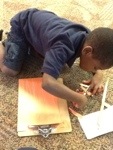
Miles and Jo’Vyon answer our daily question, “Which do you like better? T-Rex or Triceratops?”
-
-
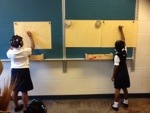
The girls dig for dinosaur bones at recess!
-
-
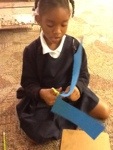
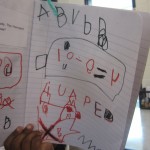
Kalaya shares her math notebook work.
We had a busy day today. We continued our conversation about dinosaur bones and how they can help us understand dinosaurs. We learned that by looking at the teeth of dinosaurs, paleontologists can tell whether the dinosaur was a carnivore (meat eater) or herbivore (plant eater). Today we also talked about how bones give us clues to ancestry and connections to other animals that remain today. Many friends have commented on the similarities to various sea creatures, lizards, and chickens. Our friends have many theories about what happened to the dinosaurs and who their descendants are.
This week we have also been talking about subtraction. We have been highlighting various friends’ strategies for solving these problems during share time and have created strategy posters. These posters can then support friends during independent problem solving time the following day by using a strategy that was successful for another child. The kids also get quite excited when their strategy goes up as a poster!
Tags: dinosaurs, project
Sep
10
2012
Mrs. Clark
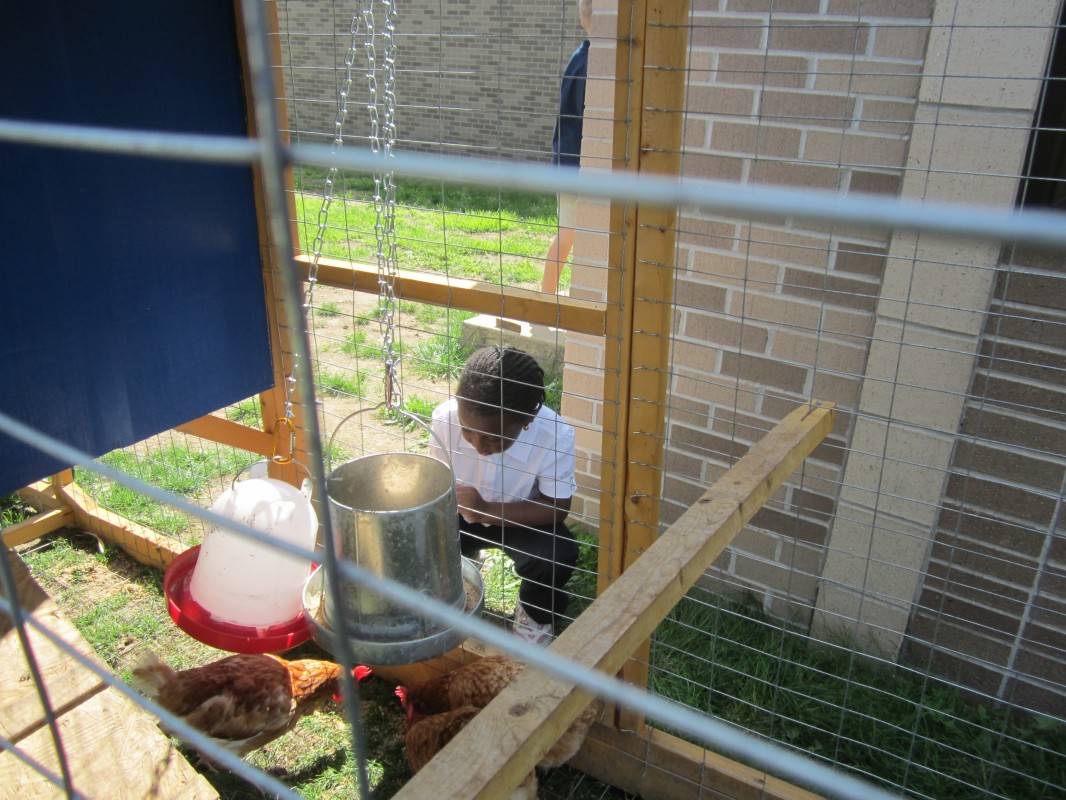
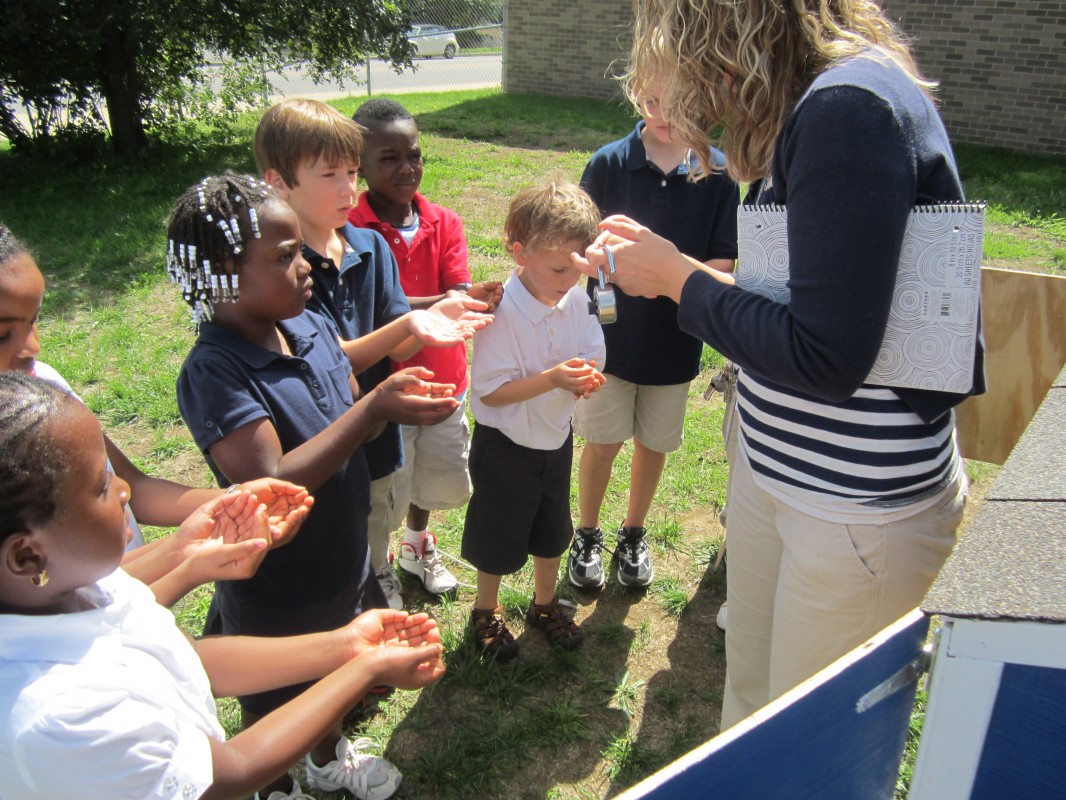
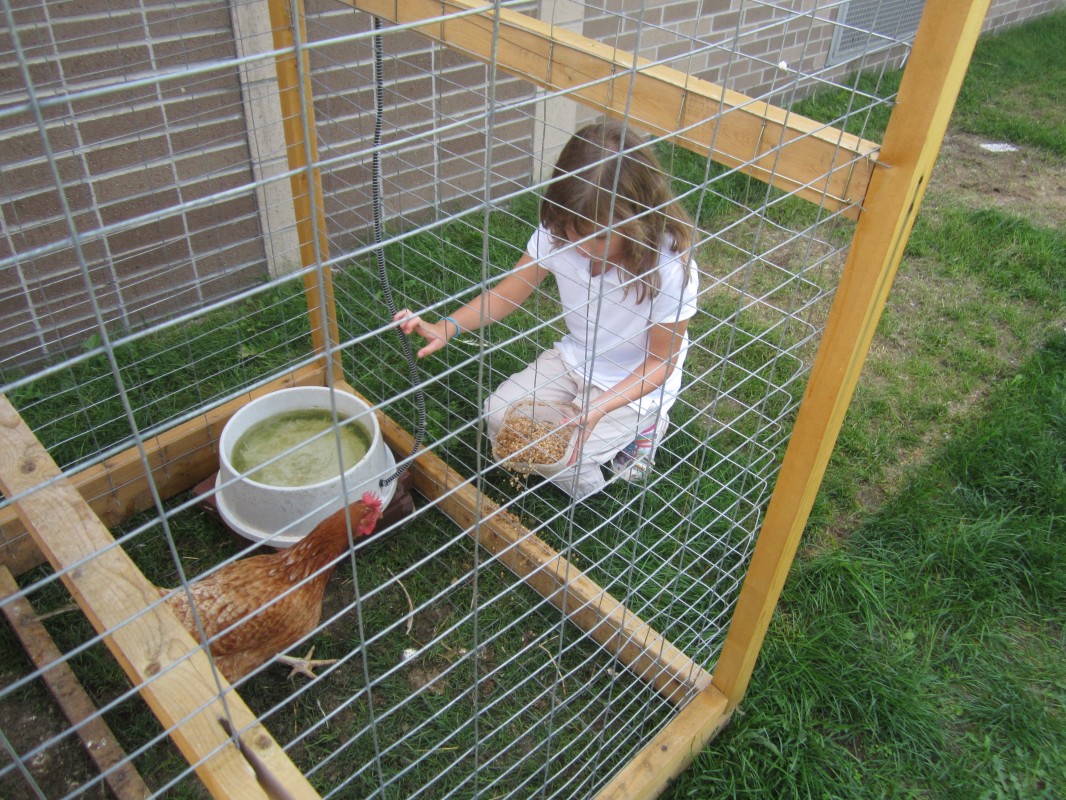
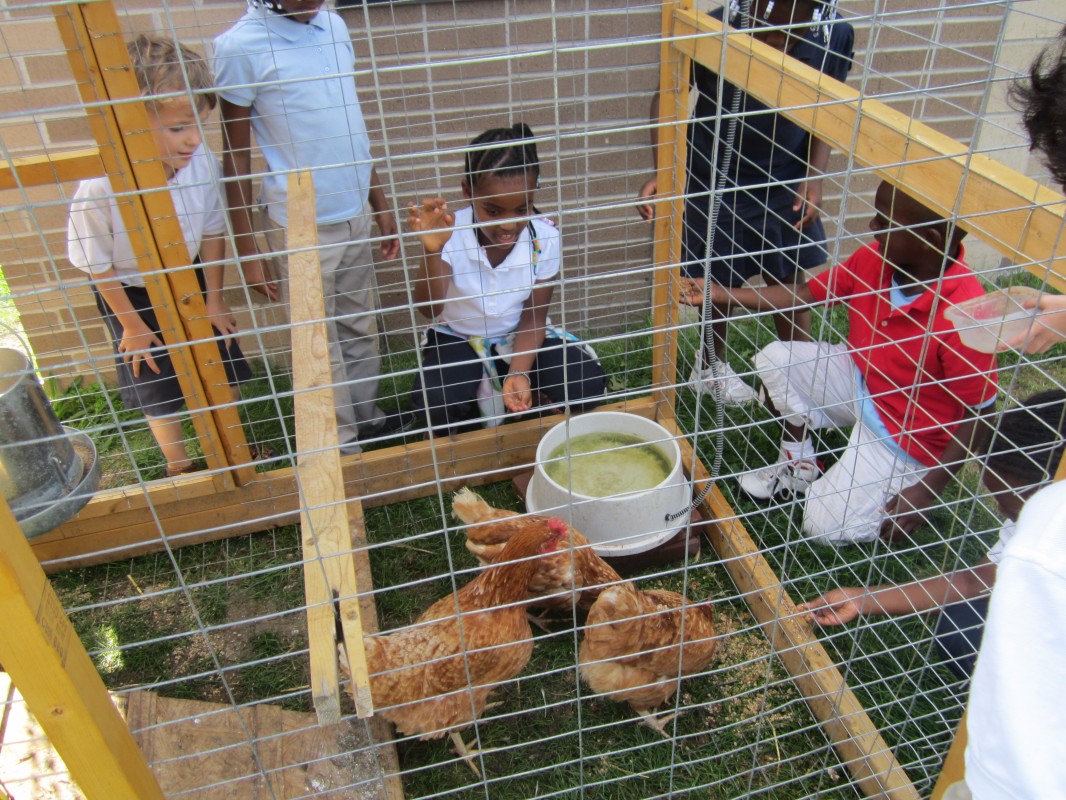
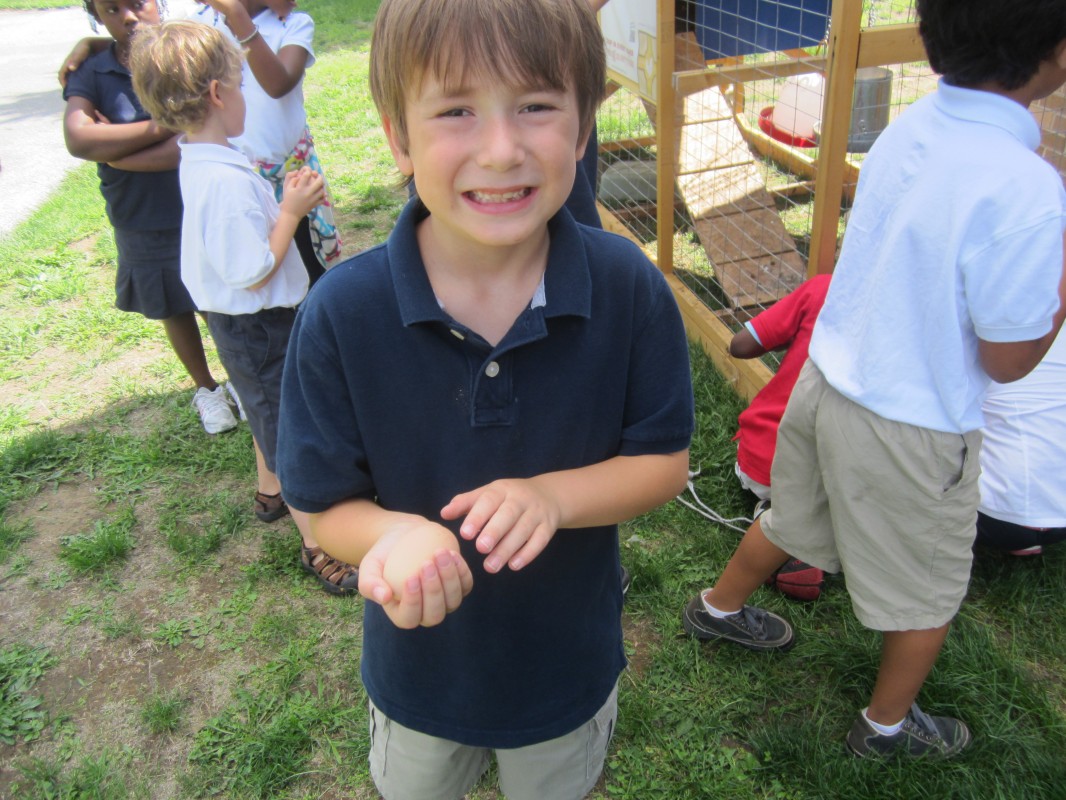
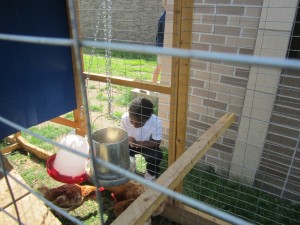
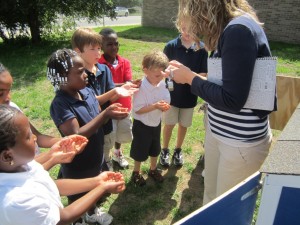
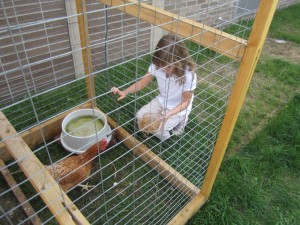
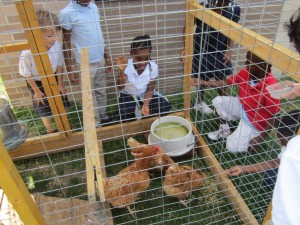
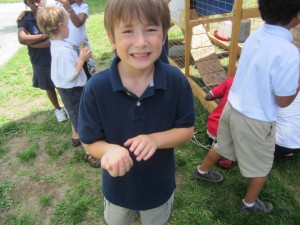
This week we are responsible for taking care of our school chickens. Today, we went out as a class for the first time. We give them water, food, and checked for eggs! We collected 4 eggs. Check out the pictures below to see some of our friends taking care of the chickens.
Sep
10
2012
Miss Cegielski
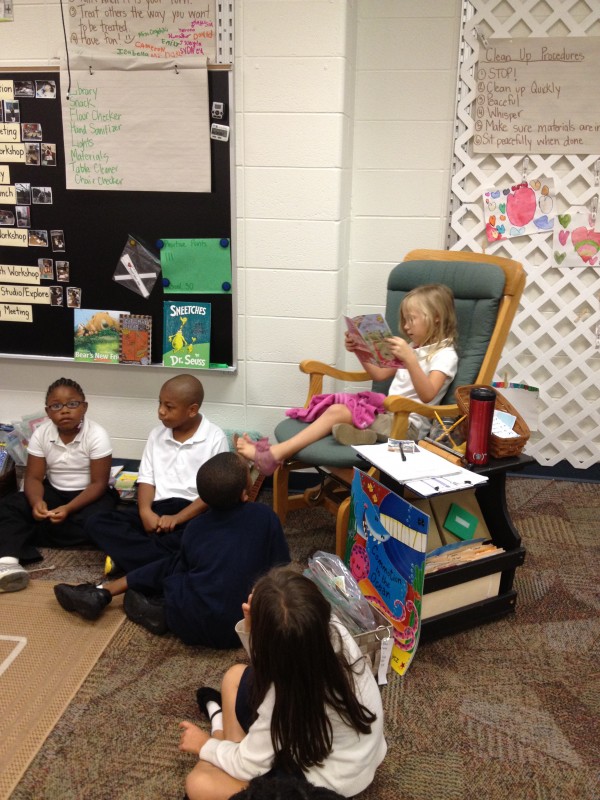
In Reader’s Workshop, we are continuing to use different strategies to help us when we are stuck on a word. Today we learned how to “back up and reread” when we figure out a read. Isabella shared how backing up and rereading helped her figure out the word “important.”

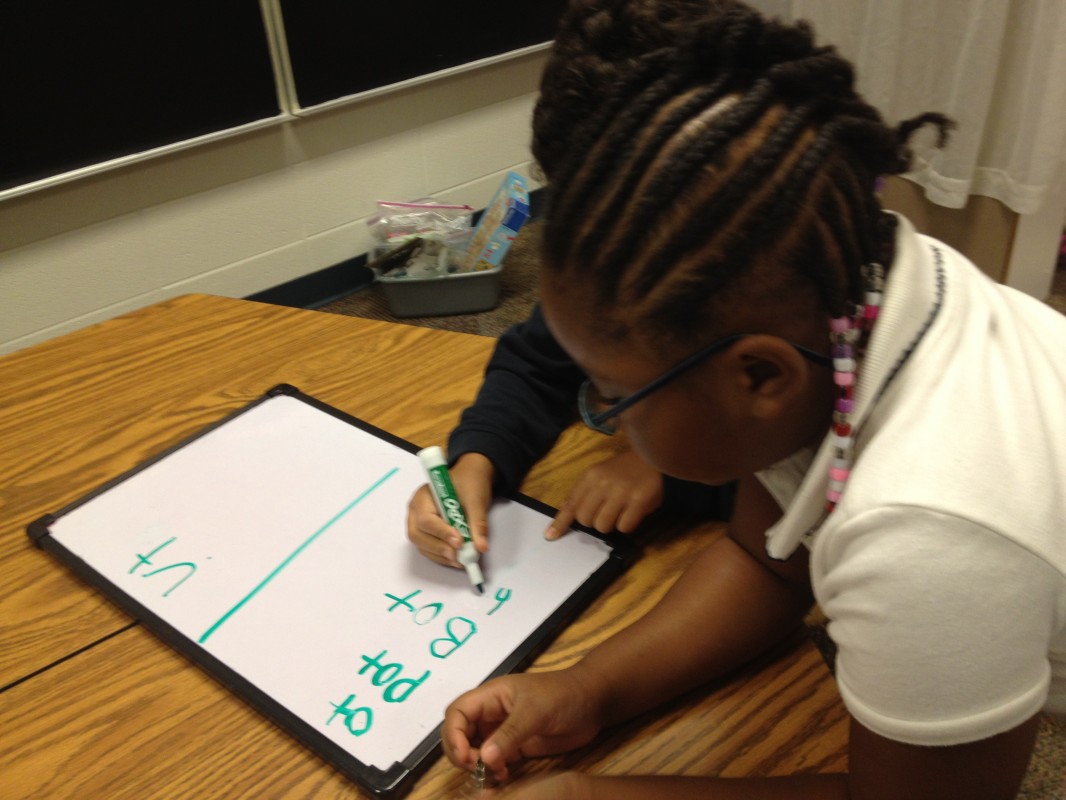
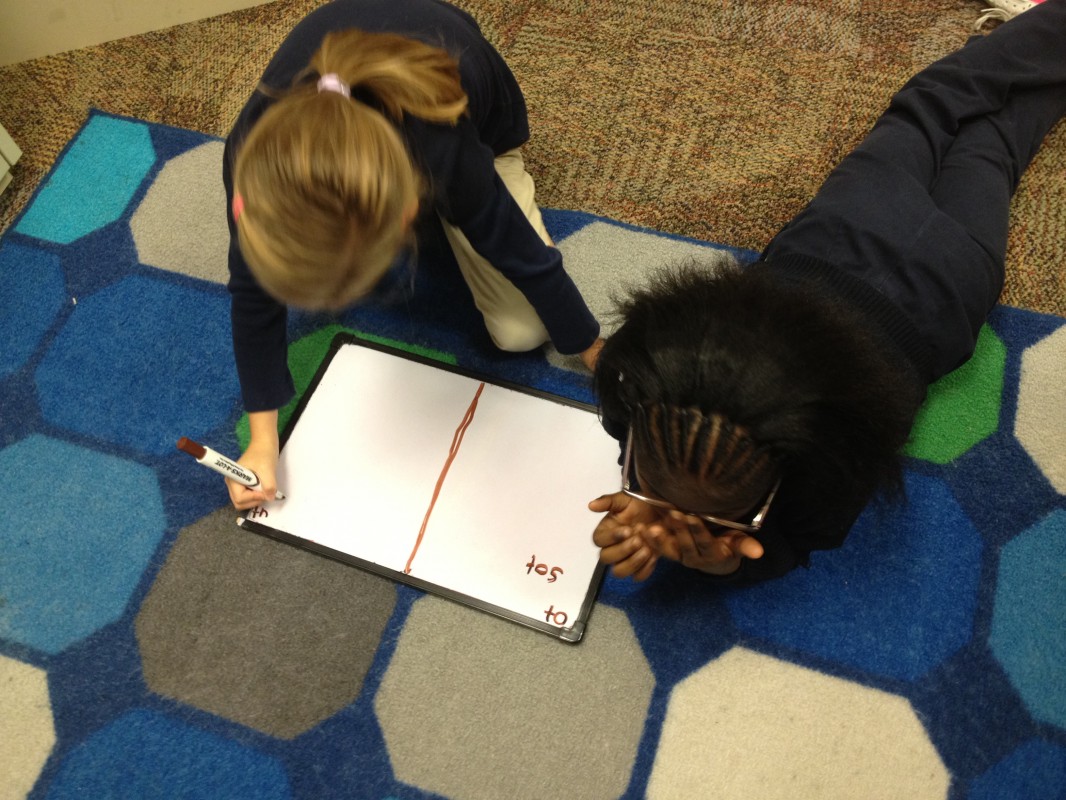
During Word Study we started learning about Word Families. We read a story called The Fat Cat Sat on a Mat and we listed all the -at family words. Then students worked in buddies to come up with words in the -ot and -ut families.
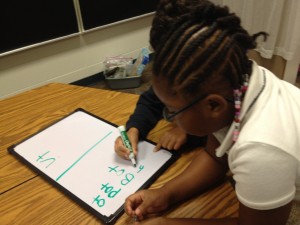
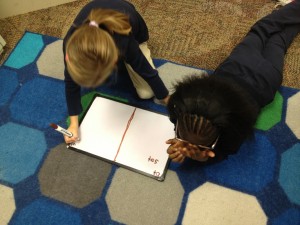
We also started discussing homework today. Next week, the students will have additional homework with the reading log. This week we are practicing the homework together so that your child will be independent at home! Each homework will have two math problems, a word study activity, and a writing section.
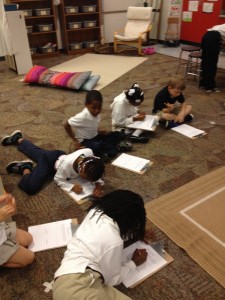
Friends practice the first part of the homework!
Sep
10
2012
Miss Bowers
We have added a new component to math instruction! In addition to problem solving, students now are engaging in activities that help them develop number sense at their level. For some students, this means sorting numbers from letters, working to fill in missing numbers on a hundreds chart, or ordering a number set from least to greatest. Students are working in groups of four or five with other children participating in the same activity.
Math notebooks were reintroduced today, so we now are working in them for part of math workshop. Students are working with different levels depending on their skills, so they have a variety of number sets to pick from. Once they are finished, they are either working the same problem using different numbers or working on number formation activities.
Don’t forget about family night tomorrow from 6-7. Looking forward to seeing many of you then!
Sep
10
2012
Mrs. Bucher
Today as the children walked in many noticed a big map of the United States on our wall. This facilitated some great conversations between the children. Some friends noticed that there was a paper sun cut out and taped onto a popsicle stick and located to the right of the map. During free choice, friends added that we needed other weather so friends got to work making clouds, rain, wind, lightning, and fog! I am excited to see where the children go with this idea of maps and weather!
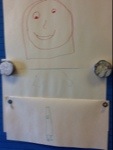
During Readers Workshop and Story Workshop we began a discussion about beginning, middle, and end of stories. During Story Workshop we talked about how people have a top, middle, and bottom (which equates to beginning, middle, and end) so a few friends drew a top, middle, and bottom of a person and then we fit them together like a puzzle. It was a great demonstration to show beginning, middle, and end which will help them with comprehension as well as creating stories with beginning, middle, and end.