News

In Thanksgiving

The Butler MFA is thankful for the people who make our creative writing program first-rate. The talented faculty and staff, our hard working students, the beautiful Efrormson Center for Creative Writing, the unique student service opportunities, and the award-winning visiting writers series all combine to create a supportive writing community.

At any given time, the Efroymson Center for Creative Writing is full of award-winning authors, engaging classes and workshops, poetry luncheons, writing club, Booth round tables, students working, friends gathering, or Ty cooking bacon. Earlier this month, Dialogue, the MFA student-run writing workshop, gathered for MFAnksgiving to celebrate the rejuvenation of Dialogue.


 The writing community reaches beyond the house. Last Tuesday, Butler poet alum and creator of Divedapper, Kaveh Akbar, returned to Indianapolis to participate in a poetry reading also including Butler MFA candidate Rachel Sahaidachny. Many Butler students, alumni, and professors packed Printtext in encouragement.

If you missed the Printtext poetry reading, you’ll get another chance to hear Rachel read and witness the amazing support of our MFA community at The Akbar, a community reading on December 16th at the Broad Ripple Brewpub. Other readers for the December Akbar include MFA candidate Greg O’Neill and Butler alumna Emma Hudelson.

Also, Dialogue will be meeting in the ECCW this Friday at 5:30.

A Day at Writing in the Schools


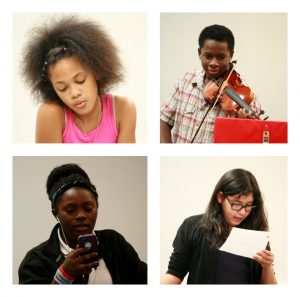
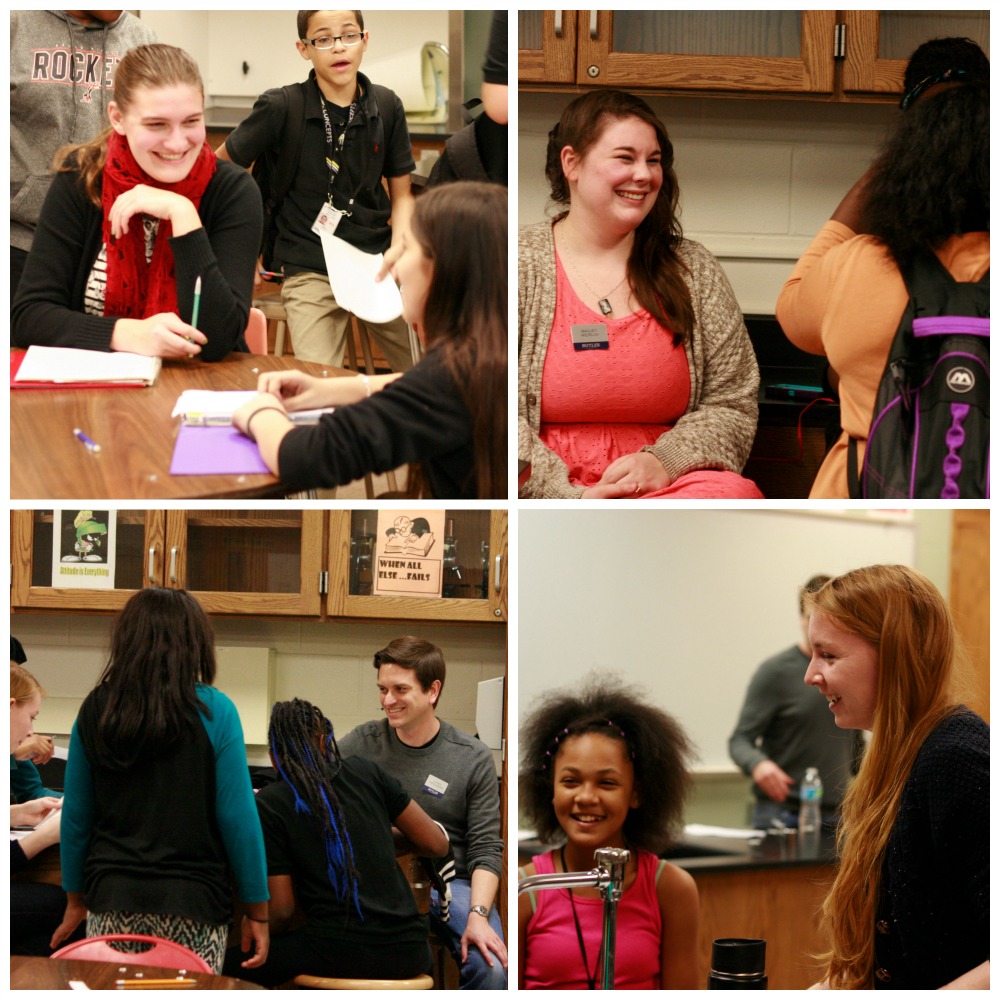
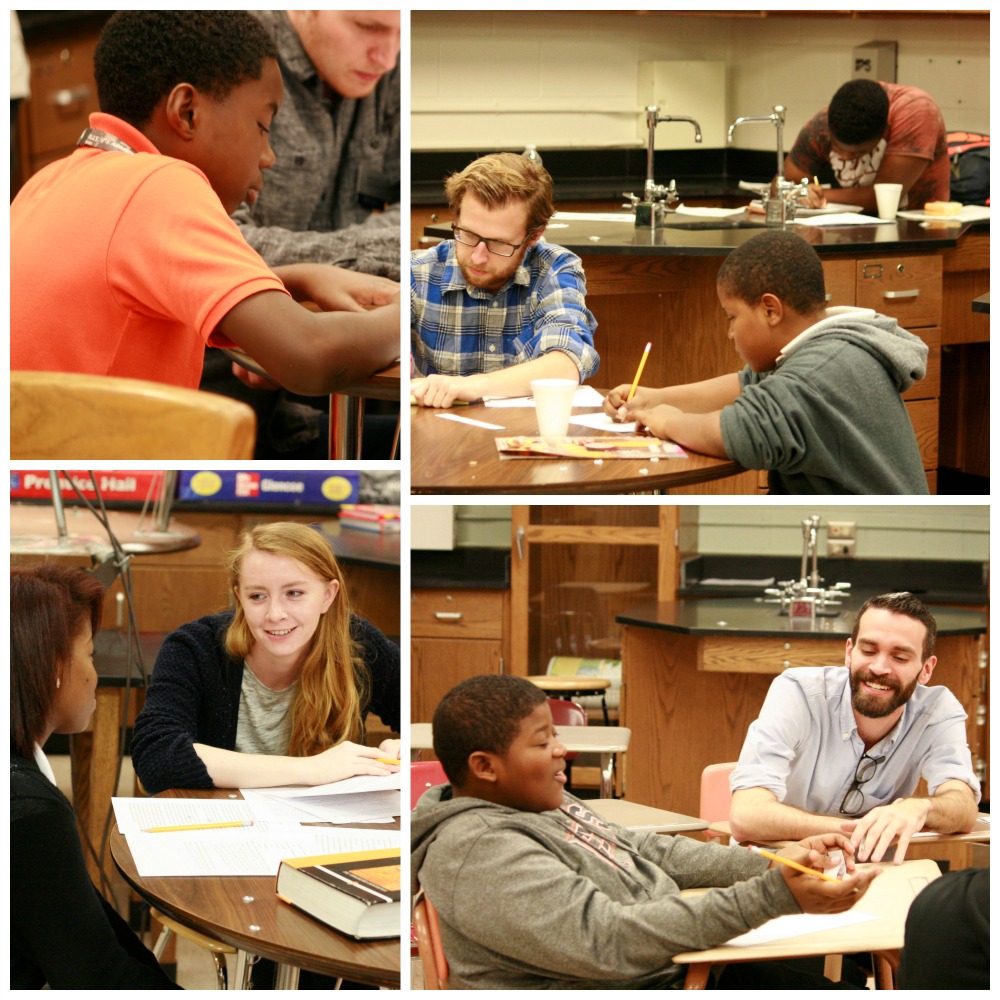
WITSStudents in Butler’s Writing in the Schools (WITS) class are a part of a unique experience mentoring Indianapolis teenagers through creative writing. Twice a week, a classroom normally used as a science lab at Broad Ripple Magnet High School for the Arts and Humanities is transformed into a place of creative collaboration between Butler University and middle and high school students. Fifteen mentors guided by professor Chris Speckman and an average of forty kids unite in the after school club. The room is full, busy with laughter, chatter, and creative writing.

One student tucked himself into a corner and wrote the entire two hours. When asked what he was working on, he said, “Just writing. Whatever comes.” He pointed to his head and got back to work. Other students were more social. They shared ideas, questioned mentors, and cracked jokes.

WITS1

After eating a snack, the students join mentors in small groups. Speckman provides activity ideas and prompts, but the mentors are free to pursue their own ideas as well. MFA poetry student Natalie says she begins each session by talking with the students to see where their interests are that particular day. “Then I get them writing on that,” she said.

Many Broad Ripple students come to the club because they love to write. One student said, “I love to write so much. I like to write short stories and coming together with others and the mentors makes me write better.” Another student said he came because he has dreams of attending Butler one day. “Anything with Butler, I’m there.” Alison, a middle school student said she comes to the club every week. “It’s just a lot of fun. The mentors are all really nice and help me come up with good ideas.” The mentors are a big reason why many of the students come every week. Tre’yonna, a regular at the writing club said, “I like how the mentors treat us. I like their personalities. They are respectful.”

The mentors feel the same gratitude towards the students. Stephanie, an MFA fiction student said, “It’s been terrific to see creativity flourish. I’ve learned different ways to approach kids and teach them how to write.” She also admitted the students have taught her as well. “I learned you don’t always have to take writing so seriously. Sometimes you have to let the words flow. Words are meant to flow.”

There are few rules in writing club beyond safety and respect. MFA fiction student and WITS mentor Bailey said the purpose of the writing club is “pure fun.” Bailey said about half of the participants come regularly. By building a relationship, trust is formed. Students open up and share amazing stories and ideas. “There’s drama, a lot of laughs, and so much energy,” she said. “And talent. The students are way more talented that I was [at their age].” Greg, an MFA fiction candidate, agreed, “There are tons of absolutely talented kids.”

The club concludes with an open mic period showcasing student talent.

WITS2

Many students share their voice through stories, songs, skits, and poems. Though every mentor commented on the talent of the kids, the positive energy and joy that filled the room was most impressive. It was unmistakable; the students truly enjoy spending their afternoon writing with Butler students.

WITS is a can’t miss opportunity for all Butler MFA students. The experience is invaluable to a teaching resume, but the true reward is building friendships with people from different life situations, seeing the world through their lens, and making a difference in a child’s life. For more information email Chris Speckman or visit the WITS website.

A Day at Writing in the Schools


WITSStudents in Butler’s Writing in the Schools (WITS) class are a part of a unique experience mentoring Indianapolis teenagers through creative writing. Twice a week, a classroom normally used as a science lab at Broad Ripple Magnet High School for the Arts and Humanities is transformed into a place of creative collaboration between Butler University and middle and high school students. Fifteen mentors guided by professor Chris Speckman and an average of forty kids unite in the after school club. The room is full, busy with laughter, chatter, and creative writing.

One student tucked himself into a corner and wrote the entire two hours. When asked what he was working on, he said, “Just writing. Whatever comes.” He pointed to his head and got back to work. Other students were more social. They shared ideas, questioned mentors, and cracked jokes.

WITS1

After eating a snack, the students join mentors in small groups. Speckman provides activity ideas and prompts, but the mentors are free to pursue their own ideas as well. MFA poetry student Natalie says she begins each session by talking with the students to see where their interests are that particular day. “Then I get them writing on that,” she said.

Many Broad Ripple students come to the club because they love to write. One student said, “I love to write so much. I like to write short stories and coming together with others and the mentors makes me write better.” Another student said he came because he has dreams of attending Butler one day. “Anything with Butler, I’m there.” Alison, a middle school student said she comes to the club every week. “It’s just a lot of fun. The mentors are all really nice and help me come up with good ideas.” The mentors are a big reason why many of the students come every week. Tre’yonna, a regular at the writing club said, “I like how the mentors treat us. I like their personalities. They are respectful.”

The mentors feel the same gratitude towards the students. Stephanie, an MFA fiction student said, “It’s been terrific to see creativity flourish. I’ve learned different ways to approach kids and teach them how to write.” She also admitted the students have taught her as well. “I learned you don’t always have to take writing so seriously. Sometimes you have to let the words flow. Words are meant to flow.”

There are few rules in writing club beyond safety and respect. MFA fiction student and WITS mentor Bailey said the purpose of the writing club is “pure fun.” Bailey said about half of the participants come regularly. By building a relationship, trust is formed. Students open up and share amazing stories and ideas. “There’s drama, a lot of laughs, and so much energy,” she said. “And talent. The students are way more talented that I was [at their age].” Greg, an MFA fiction candidate, agreed, “There are tons of absolutely talented kids.”

The club concludes with an open mic period showcasing student talent.

WITS2

Many students share their voice through stories, songs, skits, and poems. Though every mentor commented on the talent of the kids, the positive energy and joy that filled the room was most impressive. It was unmistakable; the students truly enjoy spending their afternoon writing with Butler students.

WITS is a can’t miss opportunity for all Butler MFA students. The experience is invaluable to a teaching resume, but the true reward is building friendships with people from different life situations, seeing the world through their lens, and making a difference in a child’s life. For more information email Chris Speckman or visit the WITS website.

MFA Alums Print LitMag


Screen Shot 2015-11-11 at 9.26.01 PM

Two Butler MFA alums, Zach Roth and Luke Wortley, began Axolotl with the dream of creating “a beautiful, completely bilingual magazine to publish both established and emerging writers that share their love for magical realism and its various iterations.” Butler MFA students who worked with Zach and Luke at Butler’s lit mag, Booth, (both were fiction editors during their time in the program) are not surprised to see these big dreaming, hard working, creative minds realize that dream.

After just one year, the two list these accomplishments on their website:

  1. We published six (6) online issues
  2. We compiled and successfully printed a beautiful print issue
  3. We nominated several pieces for various awards and anthologies
  4. We took on a third staff member
  5. Most importantly, we have returned for a second year

Their website and blog are written as well as the most entertaining story and gives the details of their journey. If that’s not enough, they answered questions for their alma mater’s blog, too.

What makes Axolotl different than the stacks of lit mags out there?

Zach: We’re fully bilingual and love to read translations, which allows us to reach unique markets. We don’t keep a blacklist and invite everyone to submit more work. Our website background is Cosmic Latte, the average color of the universe.

Luke: We try so hard to be transparent about the process and we actively look for ways to change and evolve.

Are you surprised by Axolotl’s steady growth and success or did you always know you had a winner?

Zach: I knew we were firmly differentiated and would have a niche, but I would never have anticipated this. I was expecting that after a few months it would die an obscure whisper.

Your website says you are seeking “previously unpublished translations and original works of fiction, drama, poetry, and art—in both English and Spanish—in and about and around the genres of magical realism and slipstream. We want pieces that infinitely absorb us like black holes.” What else makes a great story for Axolotl?

Zach: A good first line, a better first page, and exceptional follow-through.

Luke: I’d add that a good poem to us is one that forces me to reconsider something fundamentally, whether that be the poem itself or the poem’s subject matter. I want stuff that takes risks.

Hey Zach, what gets Luke so excited that his Kentucky accent comes out?

Zach: A hoedown at the hootenanny.

Luke, did you believe in Zach’s idea from the beginning or have there been moments of doubt?
Luke: Honestly, I launched myself into this idea from the beginning. Full-throated support from the drop, really.

What does Luke bring to the mag?

Zach: I am a hermit crab of a man. Luke brings the charisma, personality, and social media prowess. He also brings a more finely-attuned eye and ear for poetry because he reads all sorts of nonsense about birds and ice cream emperors.

How much do you disagree? Who gets the final say?

Zach: As often as you would expect of two people with different aesthetics and values–a healthy amount. But that’s the fun part. I would argue that Luke technically gets final say because he’s the tougher negotiator.

Luke: I’d say we’re usually pretty in-sync. Part of what makes our process so unique is that we’re a team of editors and readers. So when there’s a disagreement, we’re having it out over whether or not that piece gets published, not whether or not an editor even gets to take a look. So, of course, I voice my opinion in one direction or the other. Then the intellectual beatdown begins. Thankfully, though, I don’t have to worry about Zach’s powerful calves (seriously, though, his calves are those of Adonis) because most of our sparring takes place online.

What are you most proud of in Axolotl?

Zach: Personally, the edits to the story, “Ten Days in the Submerged City.” I didn’t mean for such a comprehensive edit to happen. I gave the author about 40 suggestions, and he took them ALL. And then gave me two new drafts. I also think the story’s design in the print volume is probably the most ambitious and successful.

Luke: For me it’s our longevity. The shelf-life of most literary magazines, especially ones not connected to a university or other writing center, is pretty short and many do not make it to a second cycle of publication (many don’t even finish their first). I’m also proud to have added a third staff member, the hilariously talented Tana Oshima.

Why did you decide to create a print issue?

Zach: Half of it is because digital publishing is liberating but transient. The journal that accepted my first-ever publication no longer exists and thus my first-ever publication credit no longer exists. The print issue serves as a beautiful, permanent record for us and our contributors. The other half of it is that my real passion is design. I firmly believe that a story or poem that hums can be made to sing with the right design. The greatest modern tragedy is an ugly book.

Luke: I knew that Zach would kill it.

How did your work with Booth help with this project?

Zach: Working on Booth gave me a lot of insight into the administrative side of running a lit mag and choosing pieces, but it’s also my personal standard I hope to surpass. For both design and content, it’s a good combination of vision and execution. Looks slick, reads slick. I want someone to feel about Axolotl the way I felt holding Booth 4 for the first time.

Luke: Being both a reader (poetry) and editor (fiction) at Booth gave me relevant experience to navigate the ever-changing literary market, especially as a young magazine. Attending AWP as a Booth representative was also extremely helpful because I made a lot of contacts in the literary world — experiences that have helped us mold our nebulous literary idea into a concrete aggregate of the some of the most beautiful and strange stuff on the web (and in print).

Where are you going from here?

Zach: I hear that hootenanny is still going on.

Luke: To the hoedown.
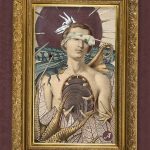
coverTo get in this hootenanny, check out Axolotl online, consider submitting, or purchase the first issue.

MFA Alums Print LitMag


Screen Shot 2015-11-11 at 9.26.01 PM

Two Butler MFA alums, Zach Roth and Luke Wortley, began Axolotl with the dream of creating “a beautiful, completely bilingual magazine to publish both established and emerging writers that share their love for magical realism and its various iterations.” Butler MFA students who worked with Zach and Luke at Butler’s lit mag, Booth, (both were fiction editors during their time in the program) are not surprised to see these big dreaming, hard working, creative minds realize that dream.

After just one year, the two list these accomplishments on their website:

  1. We published six (6) online issues
  2. We compiled and successfully printed a beautiful print issue
  3. We nominated several pieces for various awards and anthologies
  4. We took on a third staff member
  5. Most importantly, we have returned for a second year

Their website and blog are written as well as the most entertaining story and gives the details of their journey. If that’s not enough, they answered questions for their alma mater’s blog, too.

What makes Axolotl different than the stacks of lit mags out there?

Zach: We’re fully bilingual and love to read translations, which allows us to reach unique markets. We don’t keep a blacklist and invite everyone to submit more work. Our website background is Cosmic Latte, the average color of the universe.

Luke: We try so hard to be transparent about the process and we actively look for ways to change and evolve.

Are you surprised by Axolotl’s steady growth and success or did you always know you had a winner?

Zach: I knew we were firmly differentiated and would have a niche, but I would never have anticipated this. I was expecting that after a few months it would die an obscure whisper.

Your website says you are seeking “previously unpublished translations and original works of fiction, drama, poetry, and art—in both English and Spanish—in and about and around the genres of magical realism and slipstream. We want pieces that infinitely absorb us like black holes.” What else makes a great story for Axolotl?

Zach: A good first line, a better first page, and exceptional follow-through.

Luke: I’d add that a good poem to us is one that forces me to reconsider something fundamentally, whether that be the poem itself or the poem’s subject matter. I want stuff that takes risks.

Hey Zach, what gets Luke so excited that his Kentucky accent comes out?

Zach: A hoedown at the hootenanny.

Luke, did you believe in Zach’s idea from the beginning or have there been moments of doubt?
Luke: Honestly, I launched myself into this idea from the beginning. Full-throated support from the drop, really.

What does Luke bring to the mag?

Zach: I am a hermit crab of a man. Luke brings the charisma, personality, and social media prowess. He also brings a more finely-attuned eye and ear for poetry because he reads all sorts of nonsense about birds and ice cream emperors.

How much do you disagree? Who gets the final say?

Zach: As often as you would expect of two people with different aesthetics and values–a healthy amount. But that’s the fun part. I would argue that Luke technically gets final say because he’s the tougher negotiator.

Luke: I’d say we’re usually pretty in-sync. Part of what makes our process so unique is that we’re a team of editors and readers. So when there’s a disagreement, we’re having it out over whether or not that piece gets published, not whether or not an editor even gets to take a look. So, of course, I voice my opinion in one direction or the other. Then the intellectual beatdown begins. Thankfully, though, I don’t have to worry about Zach’s powerful calves (seriously, though, his calves are those of Adonis) because most of our sparring takes place online.

What are you most proud of in Axolotl?

Zach: Personally, the edits to the story, “Ten Days in the Submerged City.” I didn’t mean for such a comprehensive edit to happen. I gave the author about 40 suggestions, and he took them ALL. And then gave me two new drafts. I also think the story’s design in the print volume is probably the most ambitious and successful.

Luke: For me it’s our longevity. The shelf-life of most literary magazines, especially ones not connected to a university or other writing center, is pretty short and many do not make it to a second cycle of publication (many don’t even finish their first). I’m also proud to have added a third staff member, the hilariously talented Tana Oshima.

Why did you decide to create a print issue?

Zach: Half of it is because digital publishing is liberating but transient. The journal that accepted my first-ever publication no longer exists and thus my first-ever publication credit no longer exists. The print issue serves as a beautiful, permanent record for us and our contributors. The other half of it is that my real passion is design. I firmly believe that a story or poem that hums can be made to sing with the right design. The greatest modern tragedy is an ugly book.

Luke: I knew that Zach would kill it.

How did your work with Booth help with this project?

Zach: Working on Booth gave me a lot of insight into the administrative side of running a lit mag and choosing pieces, but it’s also my personal standard I hope to surpass. For both design and content, it’s a good combination of vision and execution. Looks slick, reads slick. I want someone to feel about Axolotl the way I felt holding Booth 4 for the first time.

Luke: Being both a reader (poetry) and editor (fiction) at Booth gave me relevant experience to navigate the ever-changing literary market, especially as a young magazine. Attending AWP as a Booth representative was also extremely helpful because I made a lot of contacts in the literary world — experiences that have helped us mold our nebulous literary idea into a concrete aggregate of the some of the most beautiful and strange stuff on the web (and in print).

Where are you going from here?

Zach: I hear that hootenanny is still going on.

Luke: To the hoedown.

coverTo get in this hootenanny, check out Axolotl online, consider submitting, or purchase the first issue.
Chavis Encourages Writing for Wellness

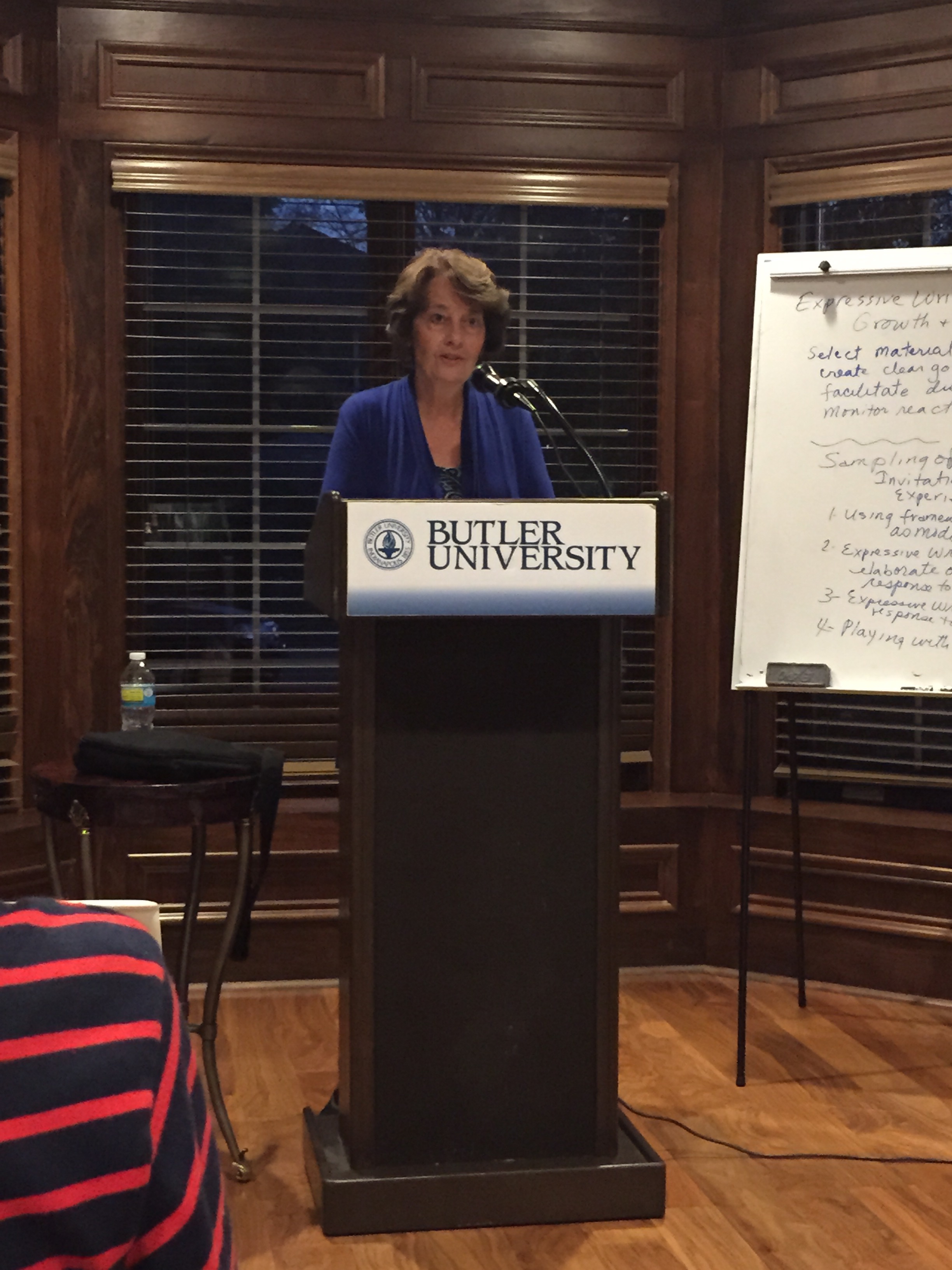
IMG_1345Last Monday, conversations@efryomson held an interactive presentation with Geri Chavis on writing for growth and healing. This guest speaker was specifically chosen to compliment the growing interest in creative writing for wellness within the MFA program.

Butler MFA students are currently sharing their creative writing expertise in outreach projects with high school students, seniors, and hospital employees. They’ve seen first-hand the therapeutic powers of writing. Chavis’ experience in this field was an invaluable resource to students interested in writing therapy. Chavis is a professor of English at St. Catherine University, Minnesota, a Licensed Psychologist in private practice, and a Certified Poetry Therapist and poetry therapy mentor/supervisor. She is a former Vice President of the National Association for Poetry Therapy (NAPT) and is an Editorial Board member of the Journal for Poetry Therapy.

After explaining the many benefits of therapeutic writing groups, strategies for creating a successful session, and tips for management, Chavis conducted an example of her writing sessions. As with all of her writing groups, she encouraged participants to write to discover and made an invitation to share. In addition to sharing break-through moments in her practice, she also gave practical advice about leading a therapeutic writing session. Most left invigorated and inspired to get involved with helping the Indianapolis community through writing.